Angola Approves $5.1 Billion Greater PAJ Oil Project
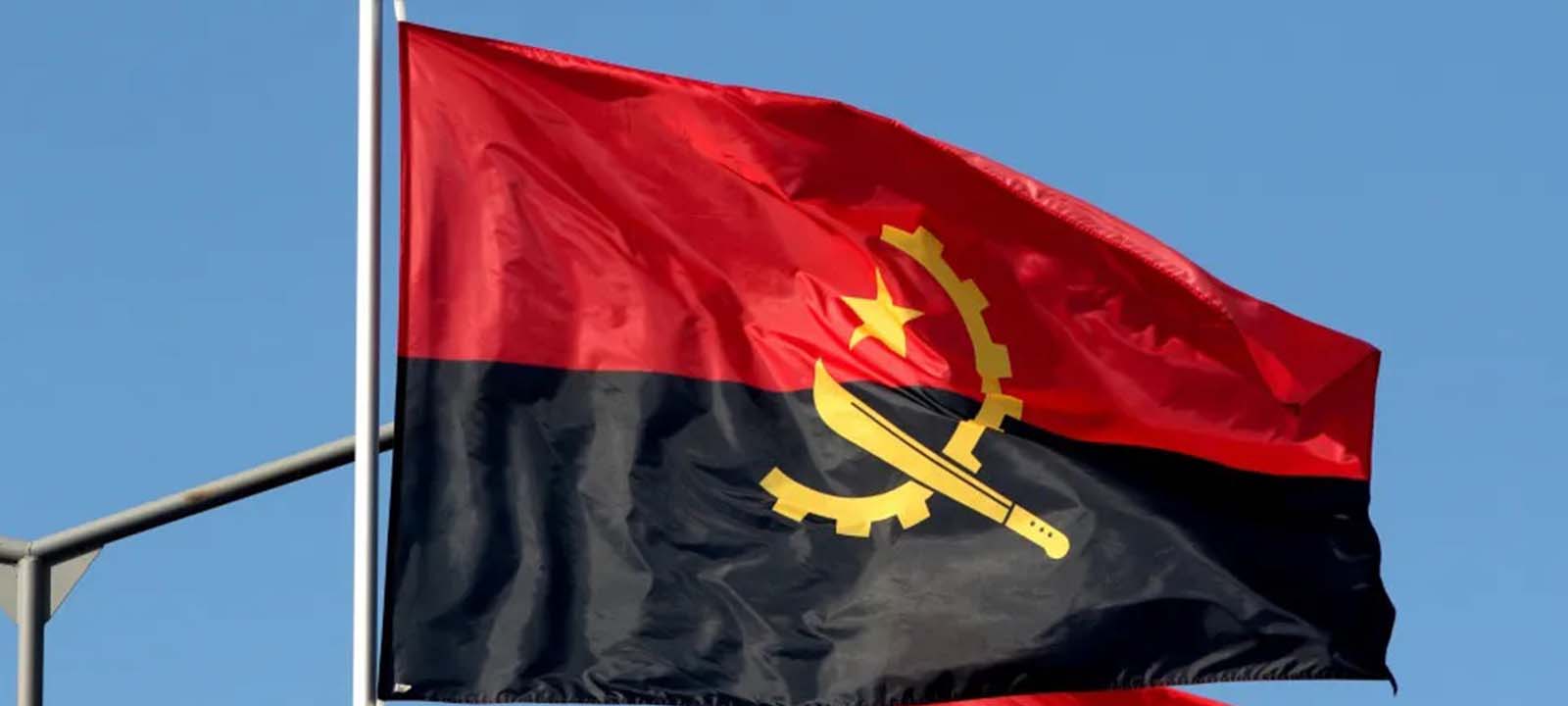
Angola has approved a final investment of $5.1 billion for the Greater PAJ oil project, a significant move to bolster its petroleum industry. This development is anticipated to be one of the largest investments in Africa's oil sector and is expected to boost Angola's crude production starting in 2029. Azule Energy, a joint venture between BP and Eni, will lead the project in partnership with Sonangol and other international companies. Located in ultra-deep waters in the Lower Congo Basin off the Angolan coast, the project integrates five oil fields with a focus on cost reduction and operational efficiency. The plan includes drilling 17 wells connected to a floating production, storage, and offloading (FPSO) unit capable of producing up to 95,000 barrels of oil per day. Beyond crude oil, the infrastructure will capture associated natural gas for the Angola LNG plant, reducing waste and increasing economic value. Recoverable reserves are estimated at approximately 252 million barrels of oil, with commercial production targeted for the first half of 2029. This investment is crucial for the Angolan government to counteract the natural decline in oil production observed in recent years. The country has been implementing fiscal and regulatory reforms to attract international investment and maintain production levels amidst the depletion of mature fields. The Greater PAJ approval aligns with a global recovery in oil industry investment, driven by rising energy demand and the need for secure international supply. The project is expected to create thousands of jobs during its construction and development phases, involving local companies in various service sectors and positively impacting Angola's economy, reinforcing confidence in the nation's energy potential.
Angola's approval of the $5.1 billion Greater PAJ project signifies a strategic effort to counter declining oil production and leverage its deep-water resources. The project's scale and reliance on a BP-Eni joint venture highlight the ongoing importance of international partnerships in capital-intensive energy ventures, particularly in regions facing production challenges. From a long-term perspective, the integration of associated gas capture for the Angola LNG plant demonstrates a move towards maximizing resource value and potentially reducing flaring, aligning with evolving environmental considerations. The project's success will depend on efficient execution, stable fiscal policies, and Angola's ability to attract and retain skilled labor amidst global competition for energy sector talent. The government's objective to maintain production above one million barrels per day underscores the critical role of oil revenue in its economy, while the project's 2029 start date suggests a strategic outlook that balances immediate needs with future production capacity.
AI-generated to prompt reflection — not editorial opinion, not advice, not a statement of fact. How this works.