Animal Bites: Understanding the Power and Danger of Jaws
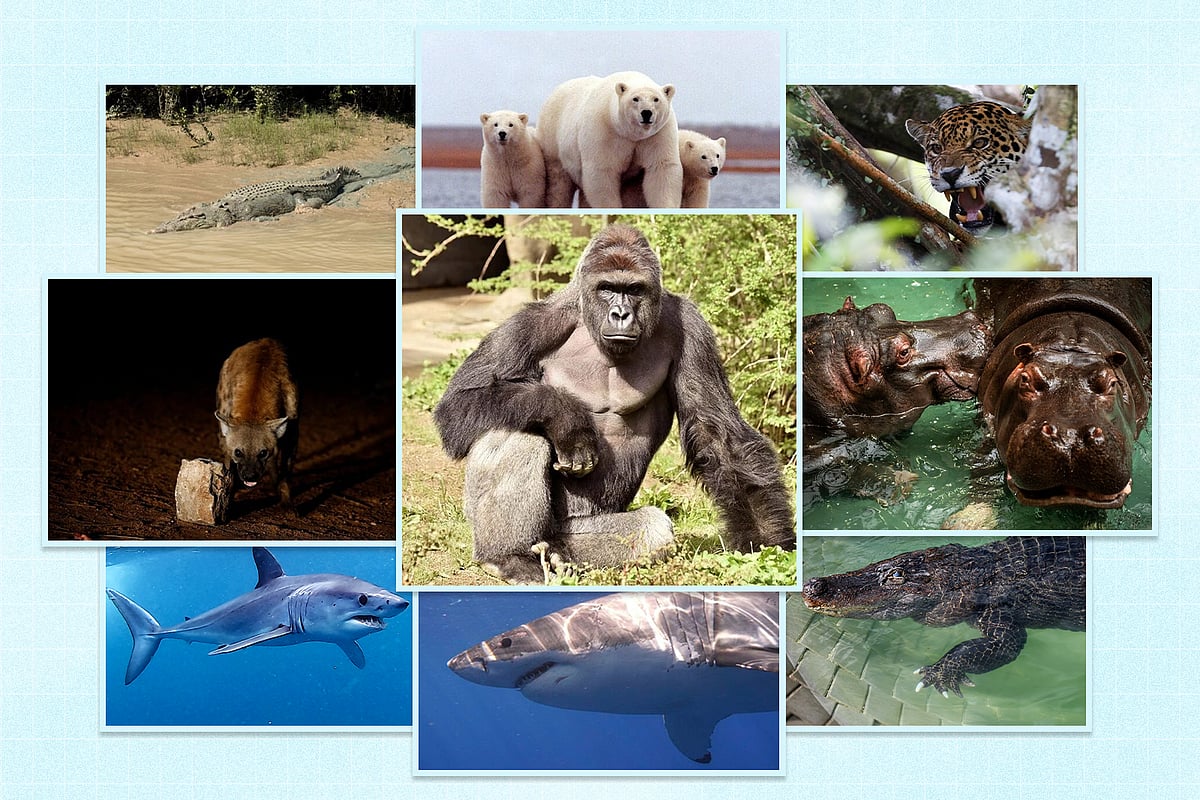
Animals utilize their jaws as a primary tool for survival in the natural world. Some mammals, sharks, and reptiles possess incredibly powerful bites that are a testament to their evolutionary adaptations. These powerful jaws are essential for hunting, defense, and establishing dominance within their respective ecosystems. The strength of a bite can vary significantly across species, influenced by factors such as jaw muscle mass, skull structure, and tooth morphology. Understanding the biomechanics behind these powerful bites offers insight into the predatory strategies and defensive capabilities of various animal groups. This knowledge is crucial for appreciating the intricate balance of power within the animal kingdom and the diverse ways species have evolved to thrive.
The inherent power of animal jaws reflects evolutionary pressures for predation and defense. Analyzing bite force across species reveals adaptations driven by ecological niches and survival strategies. Understanding these biomechanical strengths is key to appreciating interspecies dynamics and the efficiency of natural selection. Future research could explore how these physical attributes interact with environmental changes and potential shifts in predator-prey relationships over the next decade.
AI-generated to prompt reflection — not editorial opinion, not advice, not a statement of fact. How this works.