Animal Blood Sample Tubes Discovered in Cabo Frio Dumpster
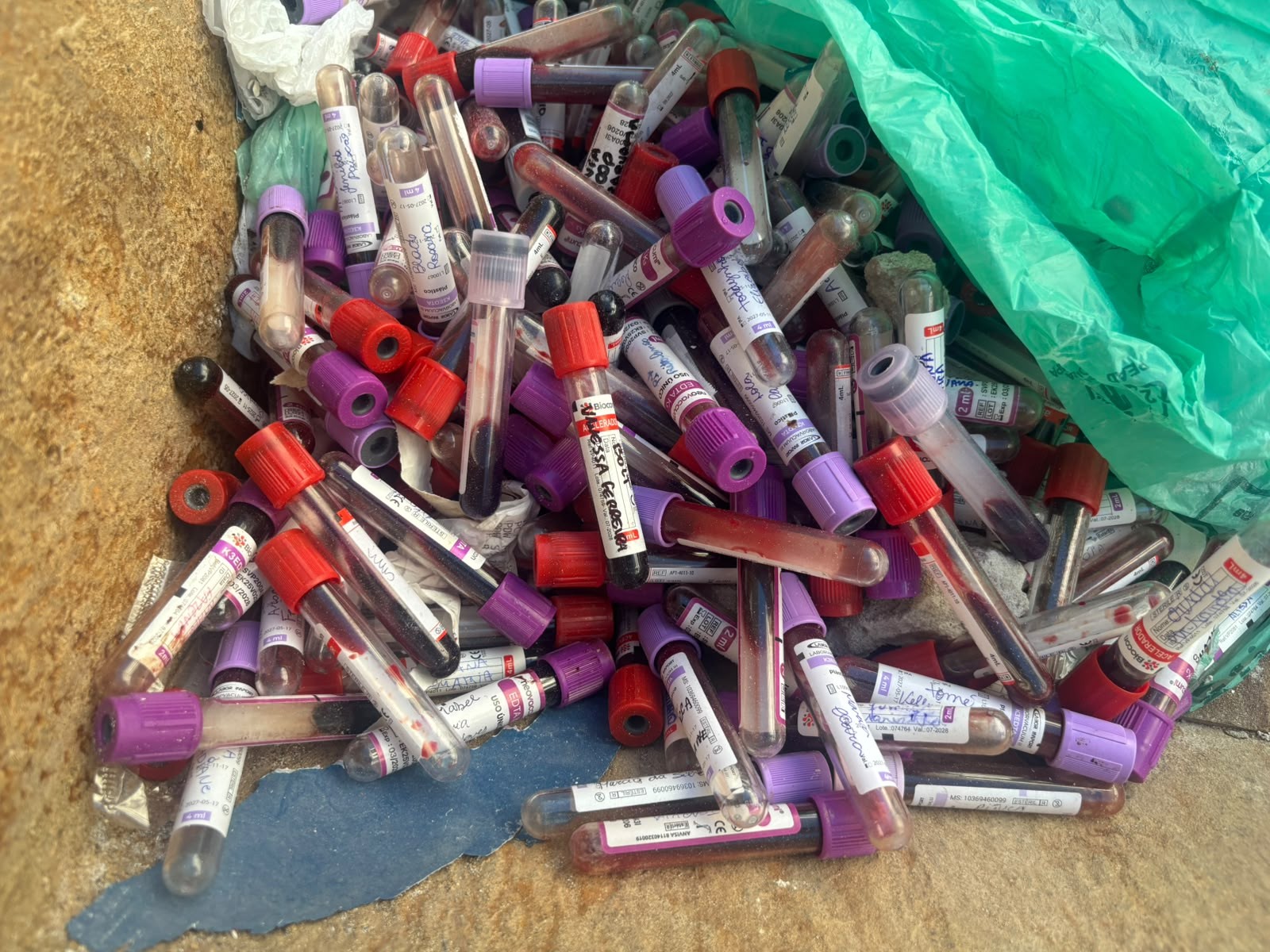
Residents of Cabo Frio, in the Lagos Region of Rio de Janeiro, discovered numerous tubes containing animal blood discarded in a dumpster on Rua Raul Veiga in the city's Center on Friday, May 10th. The unusual find attracted public attention and prompted an investigation by the municipal Health Surveillance department. After examining the contents, health officials confirmed the material consisted of animal blood. The primary suspicion is that the disposal was carried out improperly, potentially by a veterinary clinic, though this remains under investigation.
Security cameras in the vicinity may help identify the party responsible for the illegal dumping. Witnesses reported seeing an individual experiencing homelessness place the tubes into the dumpster. The improper disposal of biological waste constitutes an environmental crime and poses a significant public health risk. Exposure to animal blood can transmit zoonotic diseases such as leptospirosis and brucellosis, among other potential infections depending on the blood's origin. If a veterinary clinic is found to be responsible, it could face fines ranging from R$ 2,000 to R$ 10,000. The investigation is ongoing to determine who is accountable for the incident.
The discovery of improperly disposed of biological waste highlights critical gaps in waste management protocols for veterinary facilities and the challenges of regulating hazardous materials in urban environments. The incident underscores the public health risks associated with zoonotic diseases, emphasizing the need for robust oversight and enforcement mechanisms to prevent such occurrences. Identifying the responsible party, whether an individual or an institution, is crucial for accountability and to deter future environmental and health violations. Future considerations should include enhanced monitoring of waste disposal practices, public awareness campaigns on the dangers of biohazardous materials, and potentially stricter penalties for non-compliance to safeguard community well-being.
AI-generated to prompt reflection — not editorial opinion, not advice, not a statement of fact. How this works.