Animal Cruelty Escalates at Federal University of Amapá
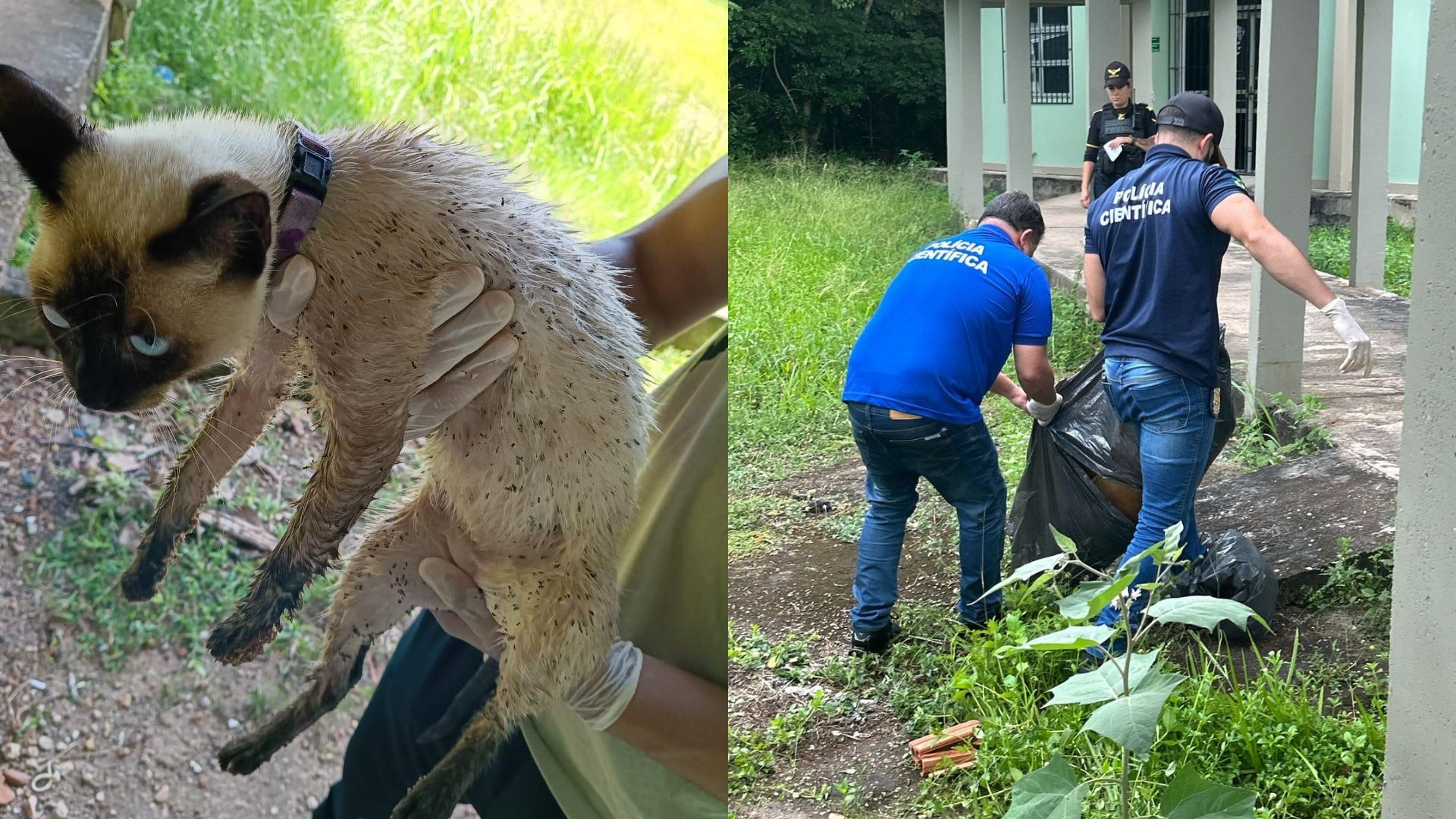
Students at the Federal University of Amapá (Unifap), specifically at the Marco Zero campus in Macapá, are raising alarms about a disturbing wave of animal abuse and fatalities. Volunteers from the independent group Projeto Mi-au, dedicated to protecting the campus's community dogs and cats, have reported a series of cruel acts. These incidents, which intensify during academic recesses when campus foot traffic decreases, include animal poisoning, the use of adhesive glue on fur, and the horrific decapitation of a cat. Wevertom Lorran, a biology student and project volunteer, highlighted that these abuses have been ongoing for over a year, with recent events including a cat found with its jaw broken and signs of beating, and another poisoned community dog named "Marginal" dying in front of the Pro-Rectory of Extension and Community Actions building. A previous case confirmed by a forensic report involved the poisoning death of a dog named "Leão." The violence appears concentrated in the Biological Sciences, Environmental, and Physics academic blocks, areas with a higher concentration of animals. The university community is demanding increased security measures, such as surveillance cameras and improved lighting, alongside public policies for animal protection. Brazilian law, specifically Law No. 14.064/2020, mandates penalties of 2 to 5 years imprisonment, fines, and a ban on animal ownership for those convicted of crimes against cats and dogs.
The reported incidents of severe animal cruelty at Unifap highlight a critical breakdown in campus safety and community oversight, particularly during periods of reduced occupancy. The intensification of abuse during academic recesses suggests a deliberate targeting of vulnerable animals when fewer witnesses are present. This pattern raises questions about the adequacy of existing security protocols and the university's capacity to foster a culture of respect for animal welfare. The community's call for enhanced surveillance and protective policies reflects a systemic demand for accountability and preventative measures. Future campus governance strategies should integrate animal welfare considerations into security planning, potentially through educational programs and the establishment of clear reporting mechanisms, to address the underlying societal issues that manifest as such extreme violence and to ensure the safety of all community members, both human and animal.
AI-generated to prompt reflection — not editorial opinion, not advice, not a statement of fact. How this works.
