Animal protector accuses PM major of ordering arrest for feeding stray cats in Boa Vista
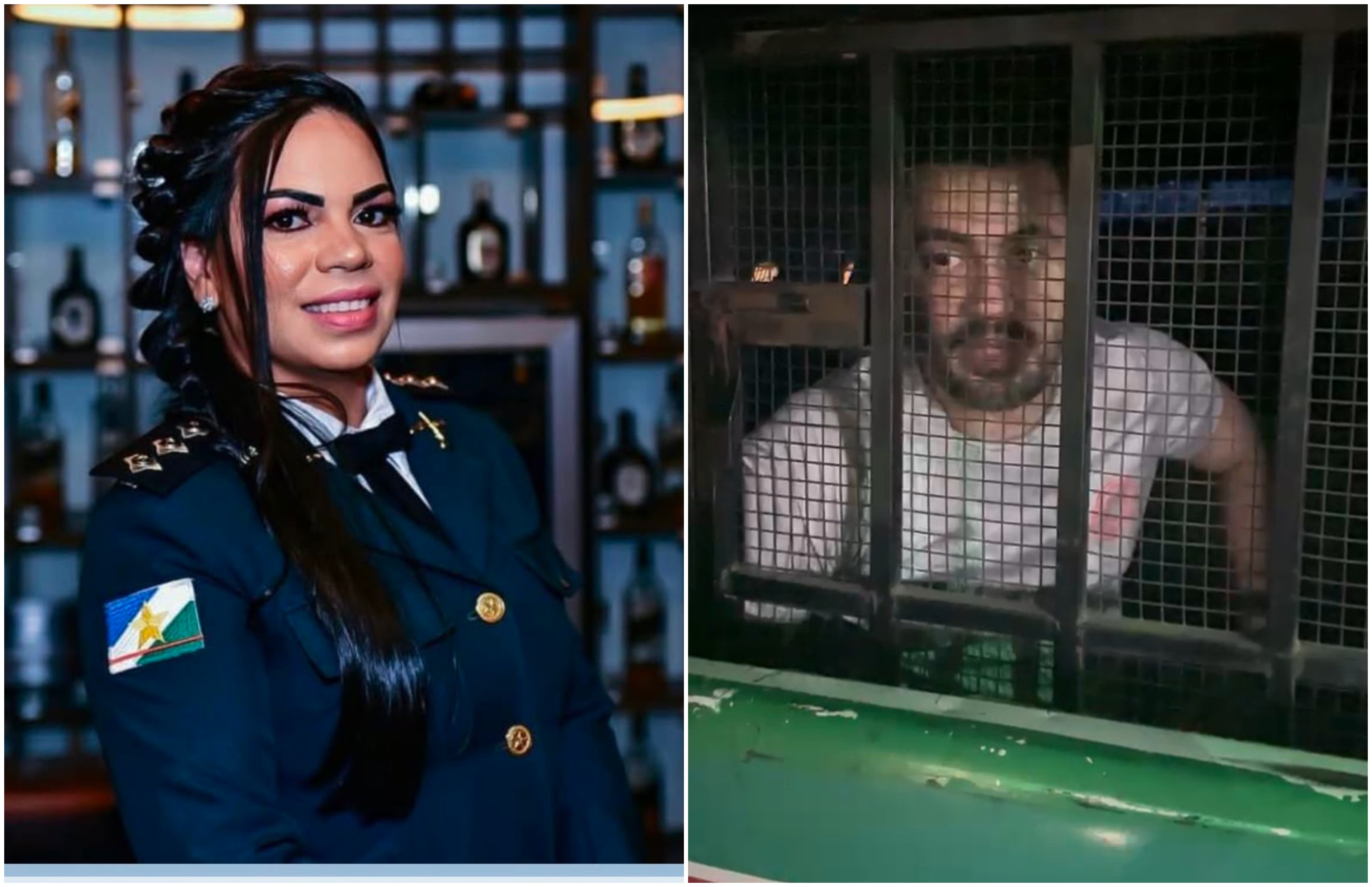
Társis Araújo Magalhães Ramos, a 43-year-old animal protector and university professor, alleges that Military Police Major Dyanna Vieira de Oliveira used her authority to have him arrested in Boa Vista on July 9th. Ramos claims the major threatened him for feeding stray cats in the Cinturão Verde neighborhood. He stated that the major, who he claims has been harassing him since last year, identified herself and ordered his arrest after he placed food for the animals in a public area. Ramos, who has been feeding street cats for approximately 15 years, was detained after the major contacted the police. He reported that while in the police car, the major instructed the arresting officer, a sergeant with a lower rank, to place him in the paddy wagon, which the sergeant did despite Ramos's protests. The incident was recorded as threat, disobedience, and disturbance of the peace, and a Termo Circunstanciado de Ocorrência (TCO) was filed against Ramos. Major Dyanna Vieira de Oliveira, who was not on duty at the time, stated she would present her version of events when possible. The Military Police confirmed they are investigating the circumstances, noting the officer was off-duty and the incident did not appear to be an institutional act. Ramos also filed a police report for threats against the major and her son.
This incident highlights potential abuses of authority where personal disputes may intersect with official duties. The core issue revolves around the alleged use of a police major's rank to resolve a neighborhood conflict concerning the feeding of stray animals. The legal framework for handling minor offenses, such as disturbance of the peace, appears to have been invoked, but the accusation of undue influence in the arrest and detention process raises questions about the adherence to due process and proportionality. Future scrutiny should focus on the established protocols for addressing such complaints and ensuring that personal grievances do not supersede fair and impartial application of the law, particularly when dealing with community welfare activities. The differing accounts and the ongoing investigation by the Military Police and Civil Police will be crucial in determining the factual basis of the claims and any potential systemic implications for officer conduct.
AI-generated to prompt reflection — not editorial opinion, not advice, not a statement of fact. How this works.