Animal Services and Welfare Bill Prioritizes Production Over Animal Rights
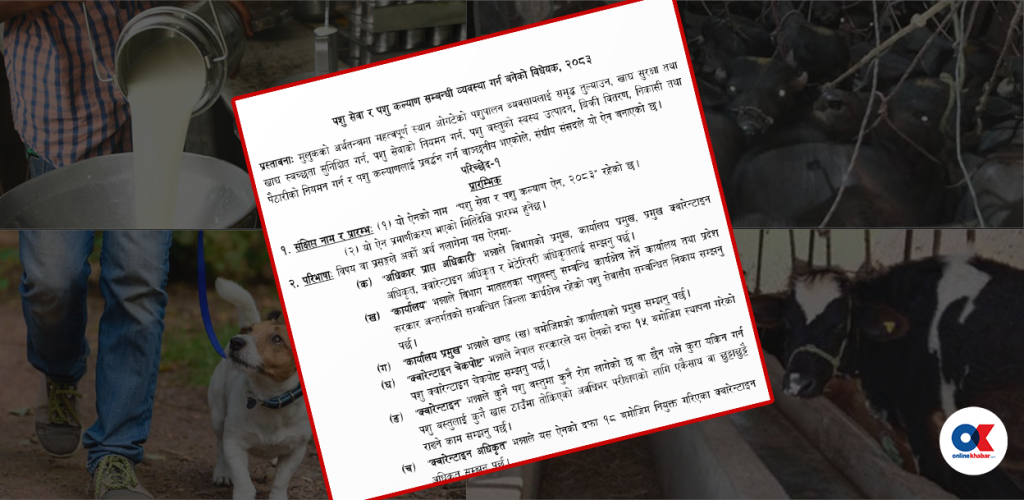
A new bill concerning animal services and welfare has been criticized for allegedly prioritizing animal production over animal rights. Concerns have been raised that the legislation remains silent on crucial issues regarding the protection, management, and responsibility for stray and abandoned animals, such as cattle left on the streets. The bill's approach has led to accusations that it overlooks the welfare of these vulnerable animals. Stakeholders are questioning who will be held accountable for the care of animals that are no longer owned or are found in public spaces. The lack of clear directives in the bill regarding these specific scenarios is a significant point of contention. This omission suggests a potential gap in the legal framework intended to ensure the humane treatment and proper handling of all animals within the country. The debate highlights a fundamental disagreement on the bill's core values and its effectiveness in establishing comprehensive animal welfare standards.
The legislative focus on animal production over animal rights, as suggested by the bill's framing, may reflect prevailing economic incentives within the agricultural sector. However, this approach risks creating a governance gap concerning the welfare of non-production animals, such as strays and abandoned livestock. Such a gap could lead to increased public health risks and ethical concerns, potentially necessitating future legislative amendments or supplementary policies. The long-term sustainability of animal welfare systems often depends on balancing economic utility with ethical considerations, a dynamic that will likely intensify with growing societal awareness of animal sentience in the coming decade.
AI-generated to prompt reflection — not editorial opinion, not advice, not a statement of fact. How this works.