Animals' Fear of Humans Varies by Perceived Threat, Study Finds
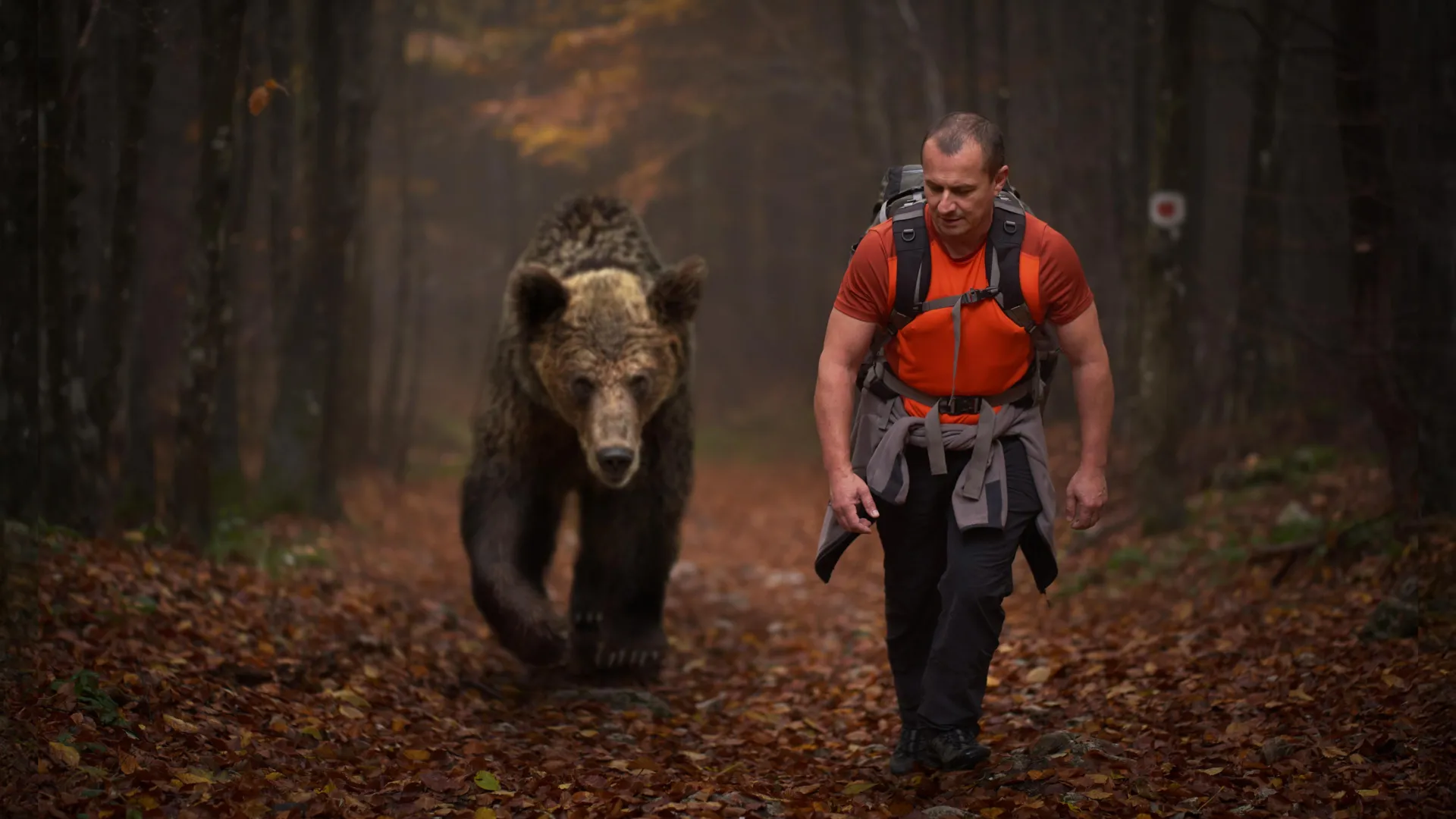
While humans are often labeled the ultimate "super-predator," animals do not exhibit uniform fear towards all people. A comprehensive analysis of three decades of scientific research reveals that wild animals' reactions are significantly influenced by the perceived threat humans pose. When animals encounter individuals they identify as dangerous, such as hunters or fishers, they become markedly more alert and reduce their feeding time. Conversely, encounters with non-lethal humans, including tourists and researchers, elicit much weaker and less consistent responses. This suggests that animals can differentiate between various human activities and adjust their behavior accordingly, rather than reacting uniformly to all human presence.
This research highlights the nuanced behavioral ecology of animals in response to human presence. It suggests that perceptions of threat, rather than mere human proximity, are key drivers of animal vigilance and resource utilization. From a systems perspective, this implies that conservation strategies could be more effective if they account for the differential impact of various human activities. Understanding these varying threat perceptions may inform approaches to minimize human-wildlife conflict, potentially by mitigating the perceived danger associated with certain human behaviors or by promoting activities that elicit less disruptive responses. Over the next decade, as human populations expand and interaction zones increase, refining these insights will be crucial for sustainable coexistence.
AI-generated to prompt reflection — not editorial opinion, not advice, not a statement of fact. How this works.