Anita Garibaldi Bridge Closure Enters Fourth Day, Ferry Service Expanded to Ease Traffic
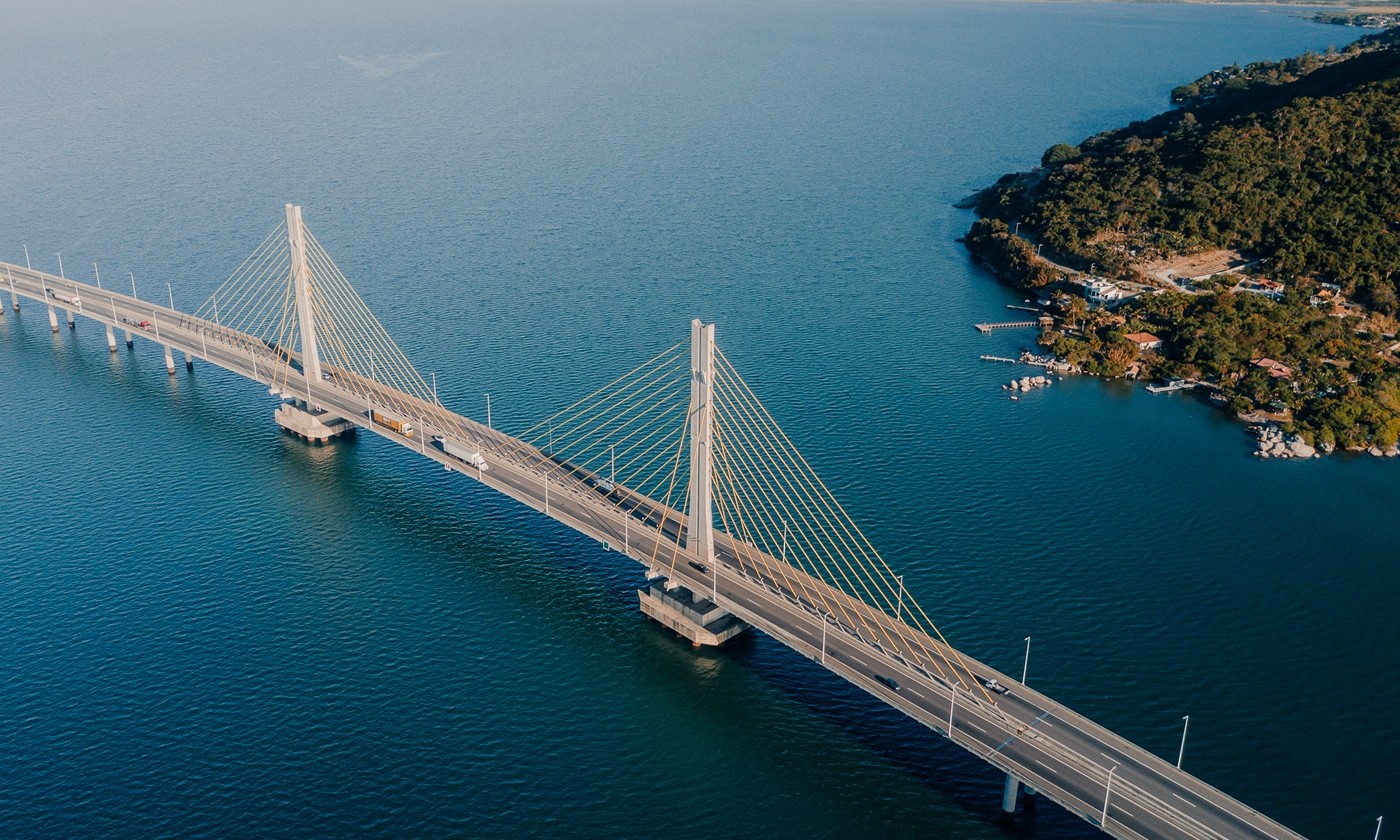
The complete closure of the Anita Garibaldi Bridge in Laguna, Santa Catarina, has entered its fourth day as of Monday, May 13th, causing significant traffic congestion in the region. To alleviate the strain on traffic that normally uses the BR-101 bridge, ferry crossing times have been extended. The partial closure began on Thursday evening, May 9th, but both directions of the bridge were fully shut down on Friday, May 10th. This disruption is due to essential maintenance on one of the bridge's supporting cables, with repairs expected to continue until July 20th. On Monday morning, the Federal Highway Police reported 2 kilometers of traffic backup in the northbound direction, while southbound traffic experienced only slowdowns. Drivers needing to cross the Imaruí Lagoon are being rerouted to the BR-101's marginal roads and the old Cabeçudas Bridge, which has a single lane in each direction. An alternative for those coming from Criciúma, Tubarão, and Jaguaruna is the ferry service at Molhes da Praia da Barra, operating every 30 minutes with fares ranging from R$25 to R$97. The Anita Garibaldi Bridge, a prominent landmark inaugurated in 2015, spans 2.8 kilometers and is recognized as one of Brazil's largest cable-stayed bridges built on a curve. Its central span is 400 meters long, supported by 60 steel cables and two towers exceeding 50 meters in height.
The extended closure of the Anita Garibaldi Bridge highlights the critical infrastructure dependencies in regional transportation networks. While emergency maintenance is necessary, the prolonged disruption underscores the need for robust contingency planning and potentially redundant infrastructure to mitigate the economic and social impacts of such events. The reliance on ferry services, while a practical short-term solution, reveals the limitations of alternative routes and their capacity. Future infrastructure investments should consider the resilience of critical transport links against unforeseen maintenance needs and the potential for increased regional traffic volumes, especially in the context of evolving economic and logistical demands over the next decade.
AI-generated to prompt reflection — not editorial opinion, not advice, not a statement of fact. How this works.