Anitta donates food from charity tickets to 18 Indigenous villages in Porto Alegre
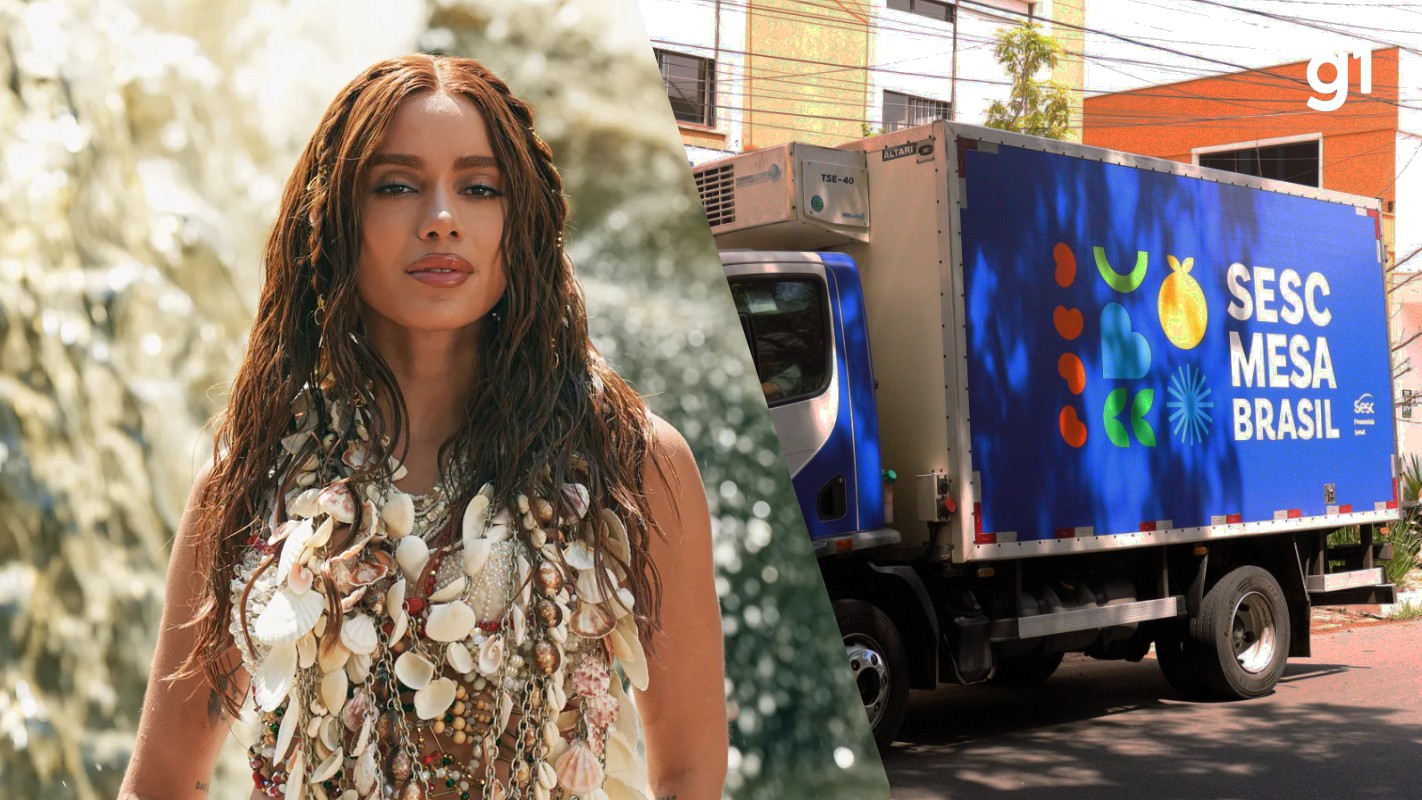
During the debut of her 'Equilibrivm Tour' on Saturday, November 1st, in Porto Alegre, Brazilian artist Anitta directed food collected from solidarity ticket sales to 18 Indigenous villages in the city. This initiative fulfilled a request from Anitta herself for the sold-out show at Fly 51. The artist's team chose to support Indigenous communities, aligning with the tour's themes of ancestry, spirituality, memory, and traditions. Anitta expressed her excitement about returning to Porto Alegre, noting its significance as a city with a large population practicing Afro-Brazilian religions. She believes this gesture will be deeply meaningful and representative. According to the 2022 IBGE Census, Rio Grande do Sul has the highest proportion of Afro-Brazilian religion adherents in Brazil, with 3.2% of its population practicing Umbanda and Candomblé, compared to 1% nationwide. The social project Sesc Mesa Brasil will manage the logistics, including receiving, organizing, and distributing the donations to the beneficiary communities. Vera Regina Melojaro, a nutritionist with Sesc Comunidade, stated that the partnership was initiated by Anitta's production team and will translate public engagement into tangible support for communities they assist year-round. Sesc Mesa Brasil has been active in Rio Grande do Sul since 2003, aiming to reduce food waste and nutritional deficiencies through support from companies, organizations, and volunteers.
This event highlights the intersection of cultural performance and social responsibility, with an artist leveraging a high-profile tour to address local community needs. The decision to direct resources to Indigenous villages and the artist's commentary on Afro-Brazilian religious practices underscore the growing awareness and integration of diverse cultural identities within mainstream entertainment. The involvement of Sesc Mesa Brasil, a long-standing social program, ensures efficient and structured distribution, demonstrating a model for how large-scale events can create meaningful, albeit localized, social impact. Future iterations of such initiatives could explore deeper collaborations, potentially involving community-led projects and long-term development strategies beyond immediate aid, thereby fostering greater self-sufficiency and cultural preservation.
AI-generated to prompt reflection — not editorial opinion, not advice, not a statement of fact. How this works.