Anitta's 'Equilibrivm II' Album Falls Short of Project's Grand Ambitions
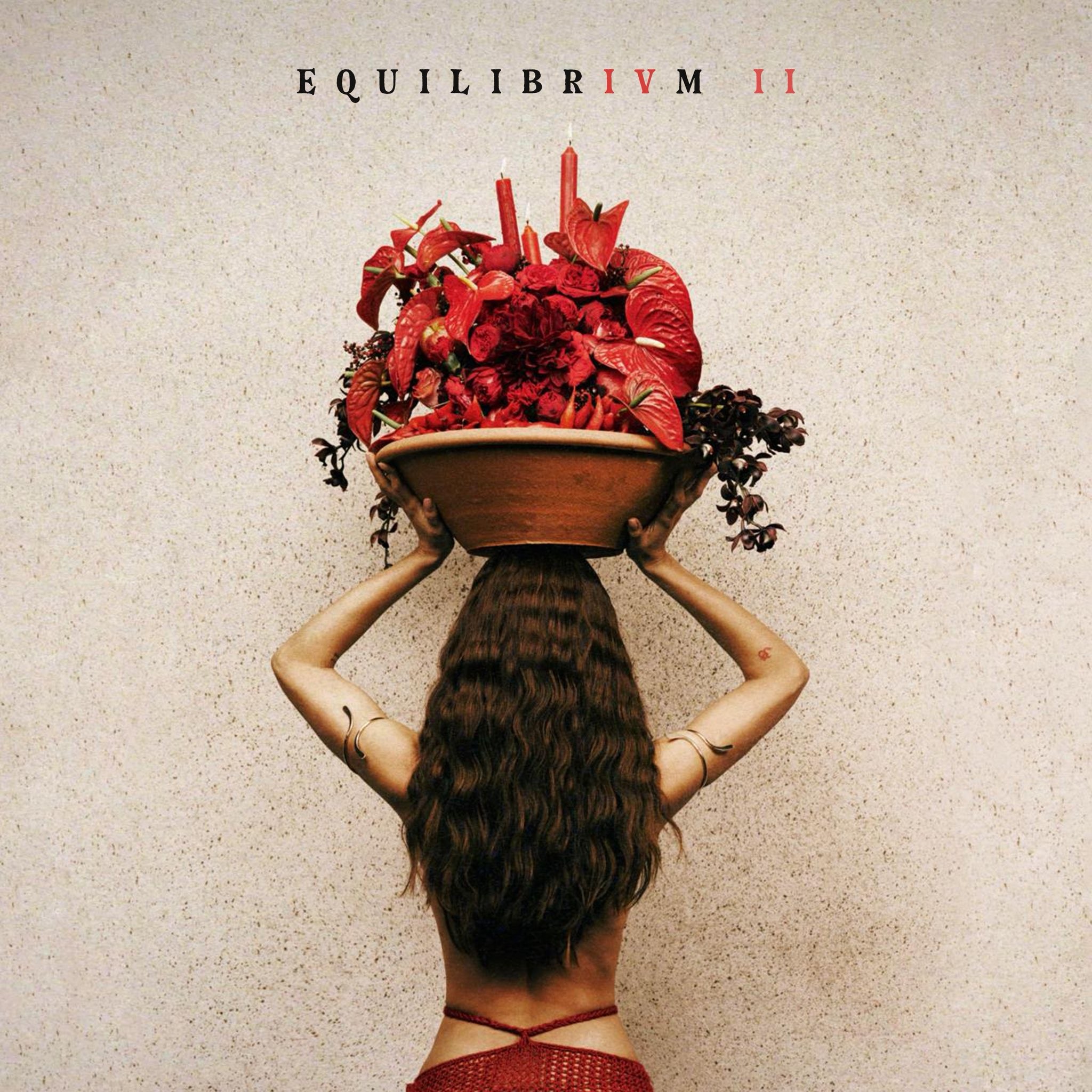
Brazilian superstar Anitta has released "Equilibrivm II," the second part of her ambitious "Equilibrivm" project, which explores spirituality and national culture. Following the successful first installment in April 2026, which garnered critical acclaim for its musical and thematic risks, Anitta aimed to replicate that success. She stated that the positive reception to reggae in the first album inspired its inclusion in the sequel. However, "Equilibrivm II," developed and released in approximately three months, is criticized for prioritizing speed over musical depth, ultimately falling short of its predecessor and the project's overall grandeur. While the "Equilibrivm" project encompasses more than just music, including a 35-minute short film praised for its visual artistry and exploration of Anitta's relationship with herself, career, image, and faith, the album itself is deemed secondary. The accompanying visuals are described as monumental, but the songs are considered lukewarm, with few exceptions. Standout tracks include "Sal Grosso," a funk and dancehall fusion featuring KBrum, "Oke," a blend of indigenous influences with Brô MC's and Katú Mirim, and the ethereal "Contemplação" with Grupo Ofá. The album falters when Anitta attempts more traditional Brazilian genres like bossa nova, samba, and forró, despite featuring notable artists such as Maria Bethânia and Alceu Valença, and interpolating Carmen Miranda. The musical formula is present, but the execution lacks originality and inspiration, resulting in many forgettable tracks with uninspired arrangements and lyrics. Anitta's vocal performance is noted for its technical quality but lacks emotional depth. The inclusion of a Spanish version of Djavan's "Azul," intended to cater to Spanish-speaking audiences, is seen as incongruous with the album's focus on Brazilian identity. Despite Anitta considering "Equilibrivm" her most important work for its bold embrace of Afro-Brazilian culture and spirituality, the musical execution is perceived as overly safe and less impactful than her potential.
The "Equilibrivm II" project highlights a tension between artistic ambition and commercial execution in the pop music landscape. Anitta's deliberate incorporation of spiritual and national themes, while commendable for its cultural resonance and potential to connect with a broad audience, appears to have been constrained by a compressed production timeline. This suggests a systemic challenge where the drive for rapid output, potentially to capitalize on initial success, can undermine the artistic integrity and depth of creative works. The project's success in visual storytelling and thematic exploration, contrasted with perceived musical mediocrity, points to a broader industry trend where multimedia integration is prioritized, sometimes at the expense of musical innovation. Future endeavors might benefit from a more balanced approach, allowing sufficient creative incubation for musical composition to match the ambition of the overarching narrative and visual concepts, thereby fulfilling the project's full potential.
AI-generated to prompt reflection — not editorial opinion, not advice, not a statement of fact. How this works.