Anitta's New Album Features Candomblé Teachings from Babalorixá Pai Rodney
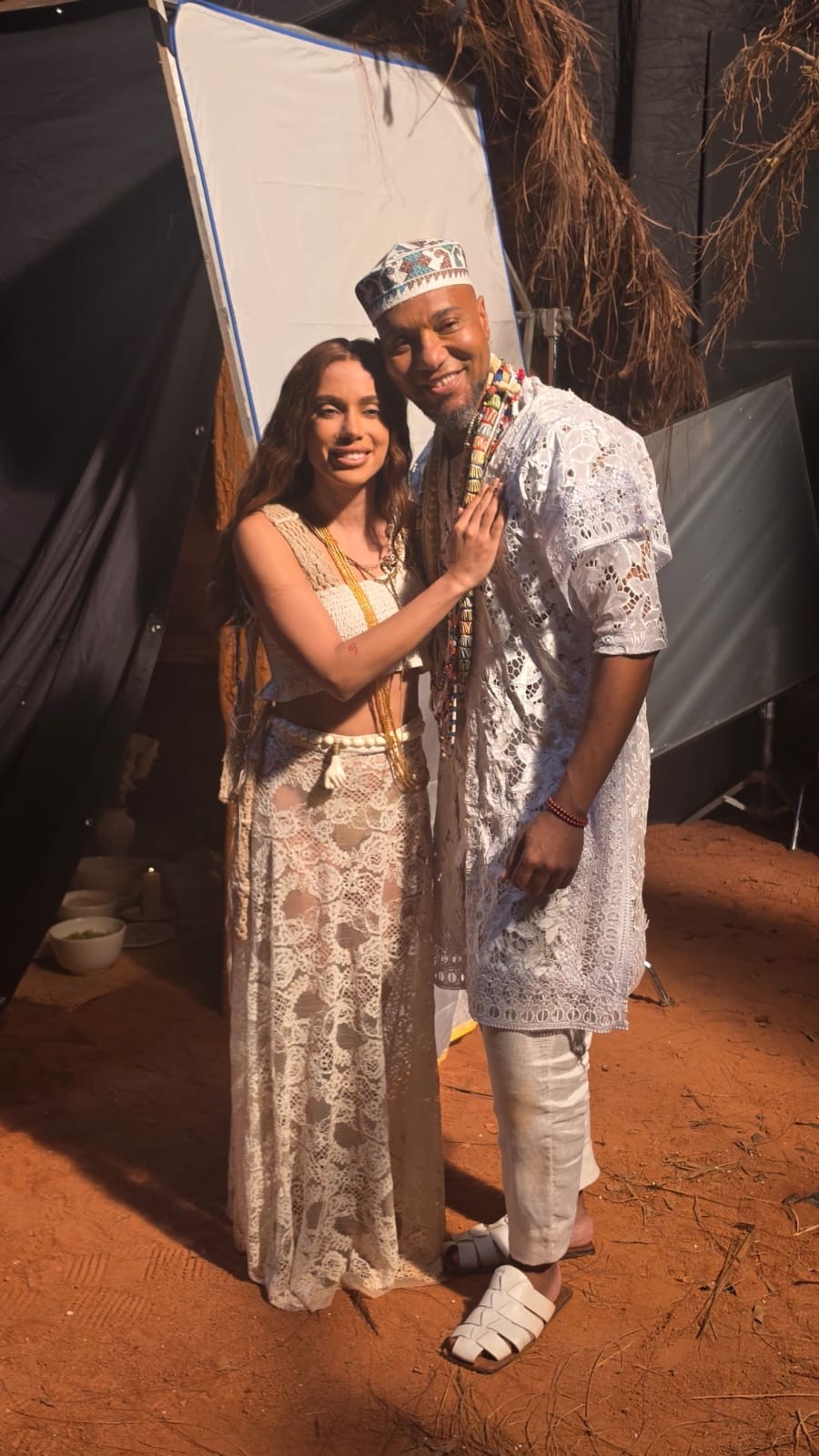
Babalorixá Rodney William Eugênio, also known as Pai Rodney de Oxóssi, contributed his knowledge of Candomblé to Anitta's latest studio album, EQUILIBRIVM II. Anitta, who had been following Eugênio's content on Afro-Brazilian religions, reached out via Instagram to invite him to collaborate on the project. Eugênio, an anthropologist with advanced degrees from PUC-SP and the head of the Ilê Obá Ketu Axé Omi Nlá terreiro in Mairiporã, Grande São Paulo, was instrumental in developing the album's audiovisual narrative. His role involved contributing to the script, revising dialogue, and guiding the accurate representation of Candomblé elements. He incorporated references from Black and Indigenous thinkers like Angela Davis, Conceição Evaristo, Ailton Krenak, and Nego Bispo into the characters' lines. Eugênio also appears in the album, conducting a Bori ritual, a ceremony focused on strengthening the 'Ori,' which represents one's head, consciousness, and destiny. The visual representation within the album, including a traditional clay house setting, aims to break stereotypes about terreiros and highlight their cultural richness and ancestral significance. Eugênio believes that Anitta's international platform amplifies discussions on diversity and religious tolerance, effectively countering racism and discrimination by showcasing the beauty of Afro-Brazilian traditions. The project also touches upon feminine strength, with women as central figures in its construction.
This collaboration between a global music artist and a religious leader from an often-marginalized tradition offers a significant opportunity for cultural exchange and education. By integrating Candomblé teachings and symbolism into a mainstream album, Anitta's project can foster greater understanding and reduce prejudice against Afro-Brazilian religions. The inclusion of diverse intellectual references within the narrative suggests a conscious effort to present a multifaceted perspective. From a systemic viewpoint, such cross-cultural artistic endeavors can challenge dominant narratives and promote greater inclusivity in media representation. The long-term impact may involve increased curiosity leading to deeper knowledge, potentially shifting societal perceptions and contributing to a more tolerant cultural landscape over the next decade.
AI-generated to prompt reflection — not editorial opinion, not advice, not a statement of fact. How this works.