Anonymous Literary Works May Hide Female Authors, Theory Suggests
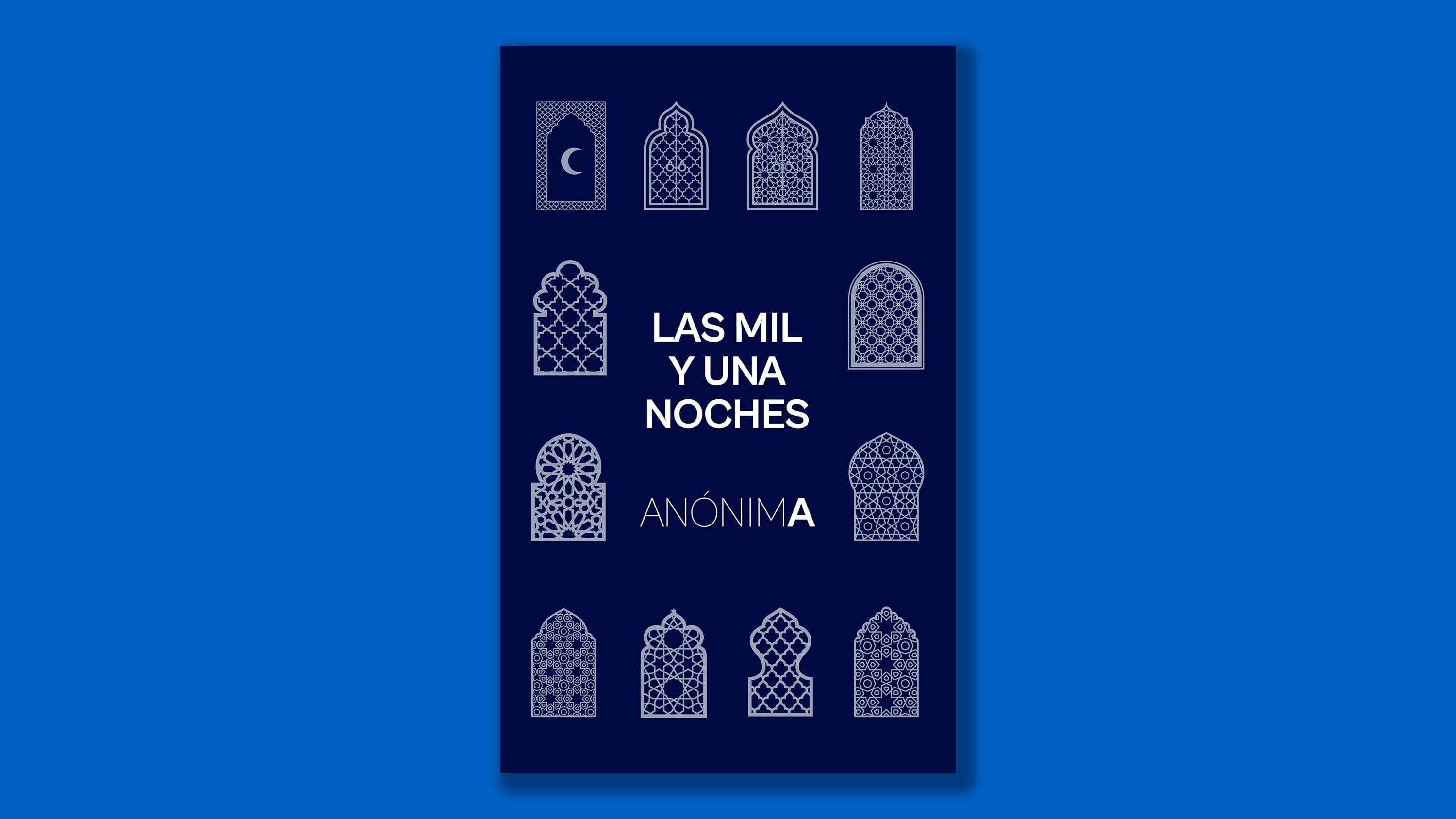
A prevailing theory posits that numerous anonymous literary works throughout history may actually be the creations of women. This idea suggests that a hidden current of female authorship exists beneath the surface of literary tradition. The dedication 'with love, to the anonymous ones' hints at a recognition of these potentially overlooked or uncredited female voices. These women, for various societal or personal reasons, may have chosen or been compelled to publish their work without revealing their identities. The theory invites a re-examination of literary history, encouraging a search for evidence of female contributions that have been obscured by anonymity. It raises questions about the historical barriers women faced in accessing literary platforms and achieving recognition. The anonymous texts, therefore, could represent a significant, albeit hidden, part of women's literary heritage. This perspective encourages a deeper appreciation for the diverse range of voices that have shaped literature, even when their identities remain unknown.
The theory that anonymous literary works conceal female authorship invites a critical examination of historical gender dynamics within creative fields. It highlights how societal structures and patriarchal norms may have historically discouraged or prevented women from claiming public authorship, leading to the use of anonymity as a protective measure or a means of publication. This perspective encourages a re-evaluation of literary canons and a deeper investigation into the potential contributions of marginalized voices. Understanding these historical patterns can inform contemporary discussions about inclusivity and representation in arts and culture, prompting efforts to ensure equitable recognition for all creators in the digital age.
AI-generated to prompt reflection — not editorial opinion, not advice, not a statement of fact. How this works.