Ant Brains Show Hunger Pathways May Have Evolved into Parenting Behaviors
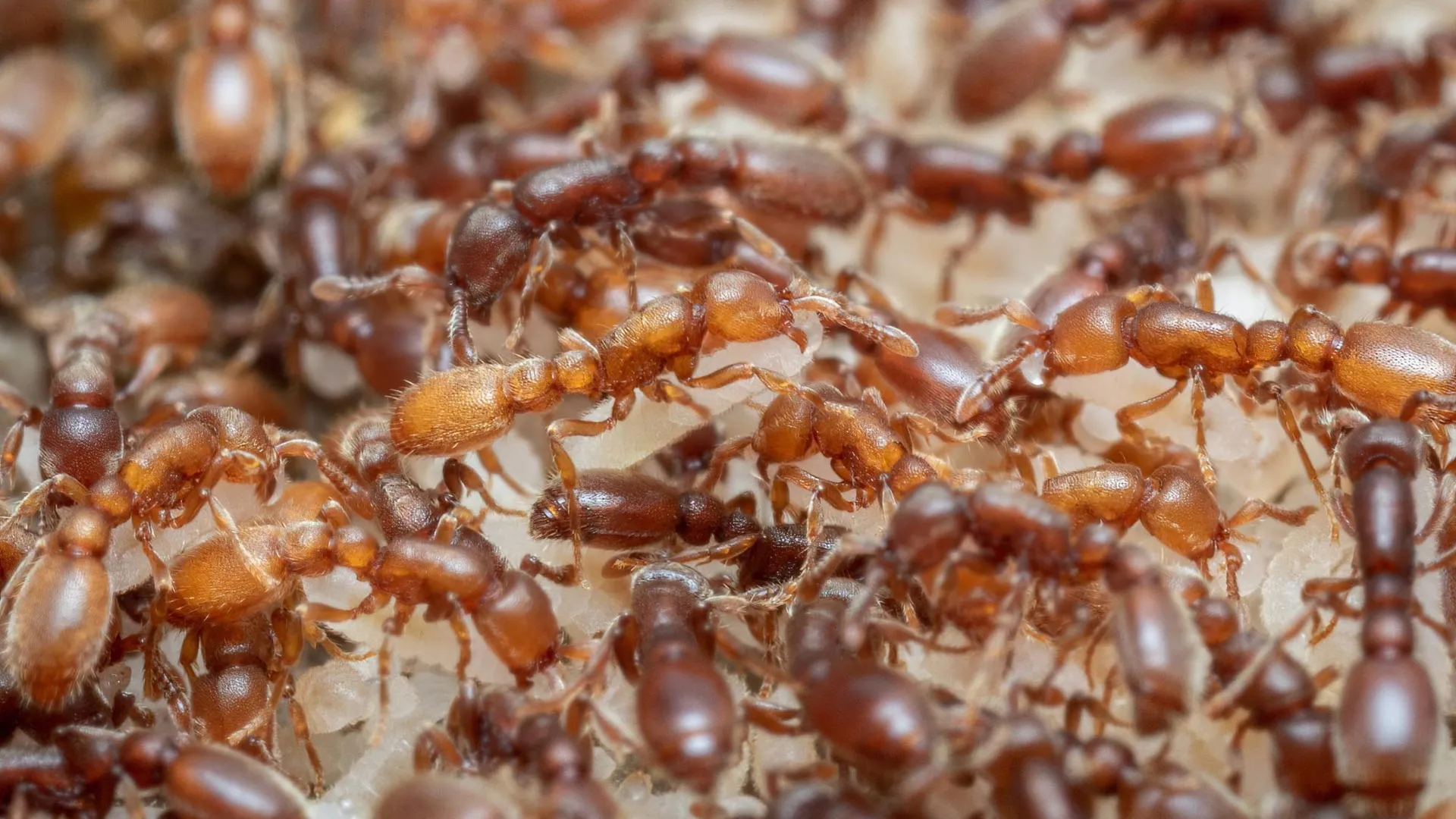
Researchers have discovered that the brain systems previously responsible for hunger in ants may have evolved to control parenting behaviors. Studies on clonal raider ants revealed that two specific chemical signals direct the ants towards either caring for larvae or foraging for food. The balance between these two signals shifts as the ants age, influencing their behavior. Notably, similar chemical signals are also involved in caregiving behaviors in mammals. This finding suggests that the evolutionary path to parental care might share a common biological foundation across vastly different animal species. The research highlights a fascinating link between basic survival drives and complex social behaviors.
This research offers a compelling perspective on the evolutionary origins of parental care, suggesting a potential co-option of fundamental biological drives like hunger. By identifying specific chemical signals that mediate the trade-off between self-preservation (foraging) and kin-directed care (larval nurturing) in ants, the study provides a mechanistic insight into how complex social behaviors might emerge. The parallel observed in mammalian systems hints at deep evolutionary conservation of neural pathways underpinning caregiving. This framework invites further investigation into how environmental pressures and genetic predispositions interact to shape the spectrum of social behaviors across species, particularly in the context of resource availability and population dynamics. Understanding these foundational mechanisms could offer insights into maintaining social cohesion in both natural and human systems.
AI-generated to prompt reflection — not editorial opinion, not advice, not a statement of fact. How this works.