Antarctic Blood Falls Microbes May Unlock Origins of Ancient Life
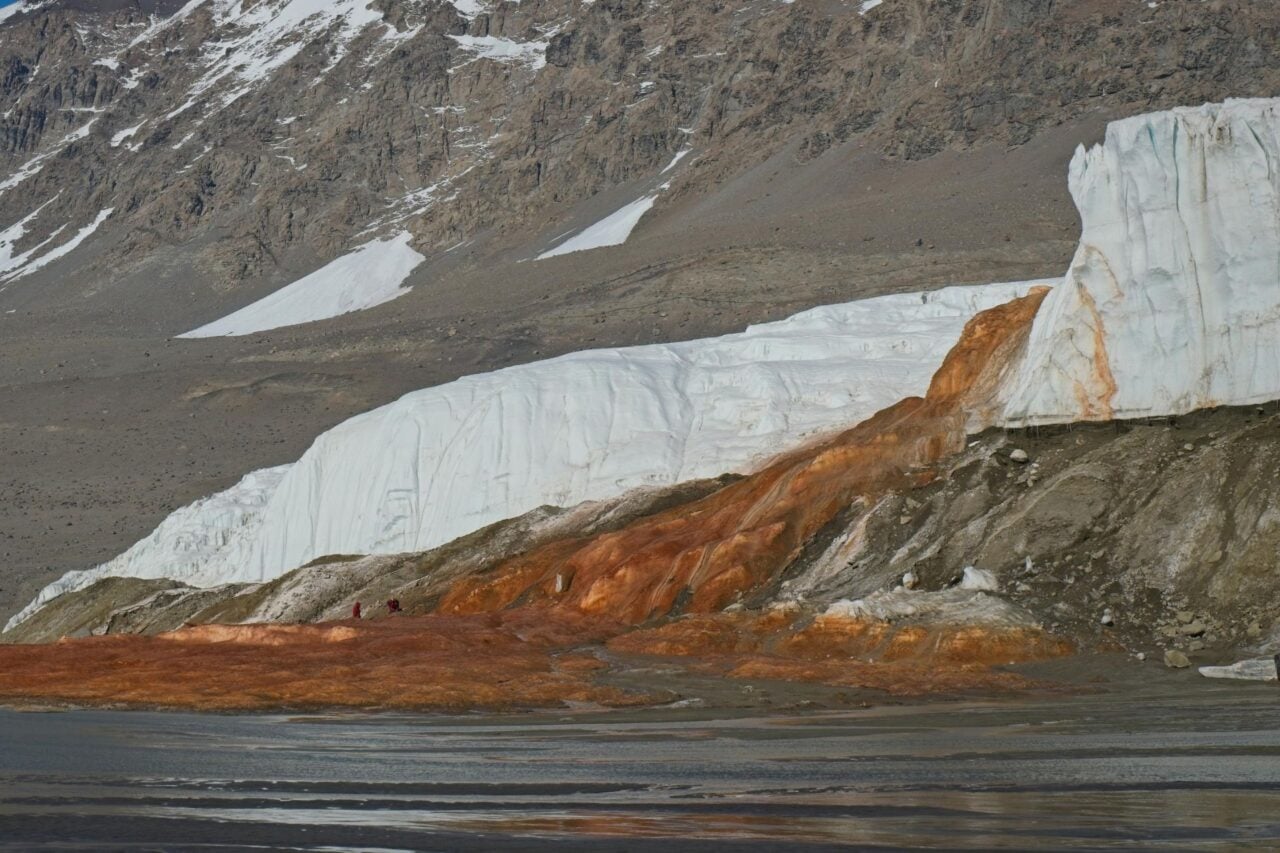
Researchers believe that a community of microorganisms found in Antarctica's 'Blood Falls' may finally hold the key to solving a long-standing scientific mystery. These ancient life forms have been isolated for millions of years, providing a unique window into Earth's early history. The discovery is expected to shed light on the conditions under which life first emerged and evolved on our planet. Scientists are particularly interested in the unique metabolic processes these microbes employ to survive in such an extreme and isolated environment. Understanding these processes could have implications for astrobiology, suggesting potential life forms on other planets. The research team is currently working on sequencing the genomes of these organisms to better understand their evolutionary path. This breakthrough could redefine our understanding of life's resilience and adaptability. The findings are anticipated to be published in a leading scientific journal.
The discovery of ancient microbial life in Antarctica's Blood Falls presents a compelling case study in extremophile biology and the potential for life to persist in isolated environments. This finding prompts consideration of the evolutionary pressures that drive adaptation and the conditions necessary for life's emergence, both on Earth and potentially elsewhere in the solar system. Future research will likely focus on the genetic and metabolic pathways that enable survival, offering insights into the fundamental requirements for life. Understanding these systems could inform the search for extraterrestrial life and highlight the resilience of biological processes over geological timescales, emphasizing the importance of preserving unique ecosystems for scientific inquiry.
AI-generated to prompt reflection — not editorial opinion, not advice, not a statement of fact. How this works.
