Antarctic Cold Snap Hits New Zealand's South Island, Causing Road and School Disruptions
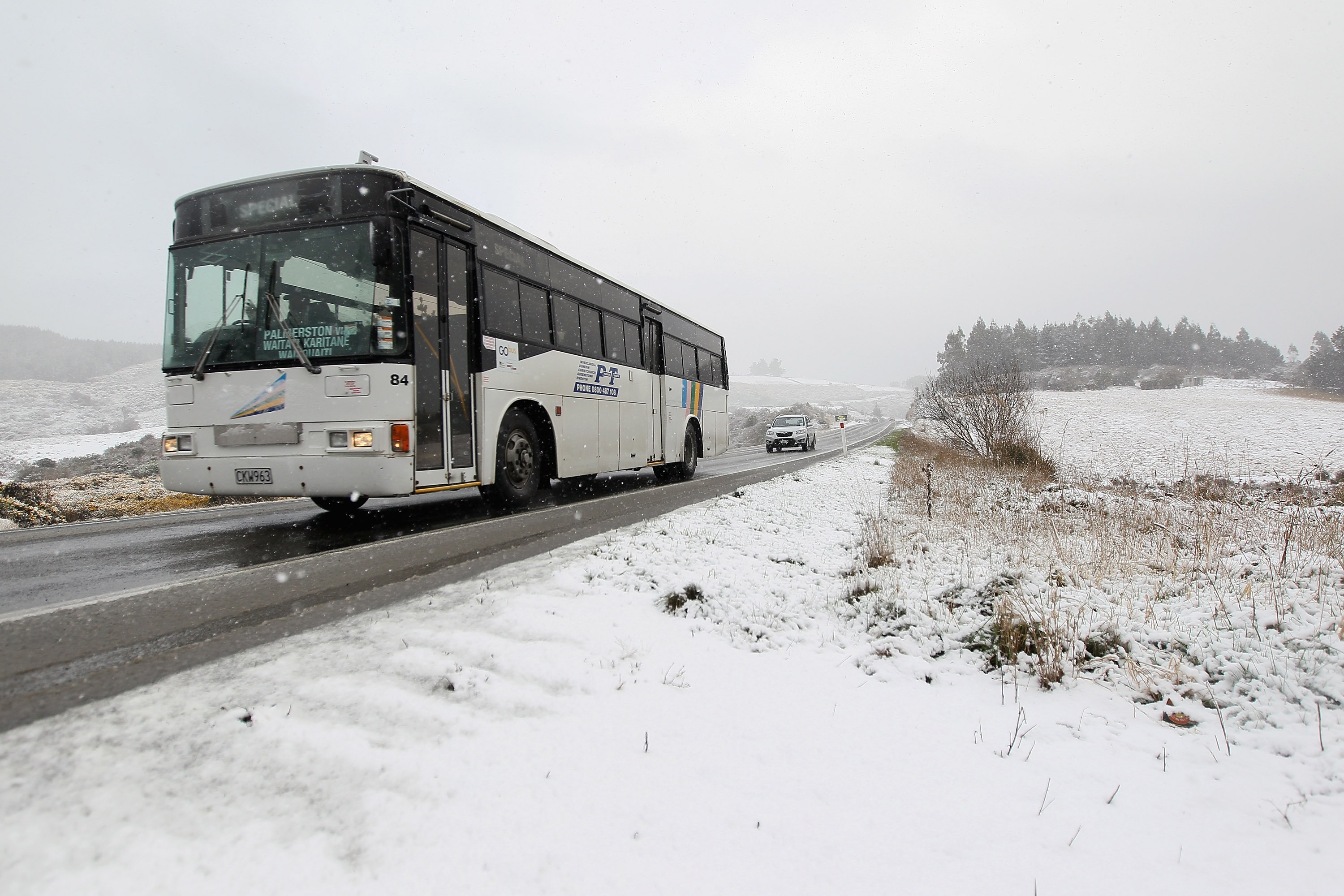
An intense Antarctic polar blast descended upon parts of New Zealand's South Island on Tuesday, August 4th. The extreme weather brought snow down to sea level and plunged temperatures to icy lows. This severe cold snap necessitated the closure of several roads across the region. Additionally, schools were disrupted due to the hazardous conditions. The event highlights the significant impact of sudden, severe weather systems on infrastructure and daily life in the affected areas.
The event underscores the vulnerability of infrastructure and public services to extreme weather events, particularly in regions with less frequent exposure to such conditions. As climate patterns shift, the frequency and intensity of polar blasts may increase, necessitating greater investment in resilient infrastructure and adaptive public safety protocols. This situation prompts consideration of how meteorological forecasting and emergency response systems can be enhanced to mitigate disruptions from unpredictable weather phenomena. The economic and social costs of such events, including lost productivity and essential service interruptions, warrant a proactive approach to climate adaptation planning.
AI-generated to prompt reflection — not editorial opinion, not advice, not a statement of fact. How this works.
