Antarctic Fossil Rediscovered After 40 Years, Revealed as Dinosaur Footprint
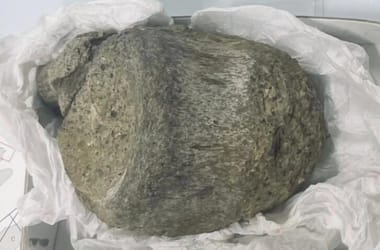
A fossil discovered 40 years ago in Antarctica by a British and a German researcher has recently been identified as a dinosaur footprint. The fossil lay forgotten in storage for four decades before its true significance was realized. The initial discovery was made by scientists who suspected it might belong to a dinosaur, but it was subsequently overlooked for forty years. This rediscovery highlights the potential for valuable scientific findings to remain hidden in archives. The re-examination of the specimen has now confirmed its paleontological importance. Further research is expected to shed more light on the type of dinosaur and the ancient ecosystem it inhabited.
The rediscovery of this fossil after a 40-year hiatus in storage underscores a common challenge in scientific research: the potential for valuable data to be lost or overlooked within institutional archives. This situation prompts consideration of archival management systems and the systematic re-evaluation of stored specimens, particularly in fields like paleontology where new analytical techniques can transform old discoveries. The long period of neglect suggests that resource allocation for research and curation may not always prioritize the potential long-term value of stored materials. This event serves as a reminder of the importance of robust cataloging and periodic review processes to ensure that scientific heritage is fully leveraged for future understanding, especially in the context of rapidly advancing analytical capabilities.
AI-generated to prompt reflection — not editorial opinion, not advice, not a statement of fact. How this works.