Antarctic Peninsula Accumulating Mercury Twice as Fast, Study Reveals
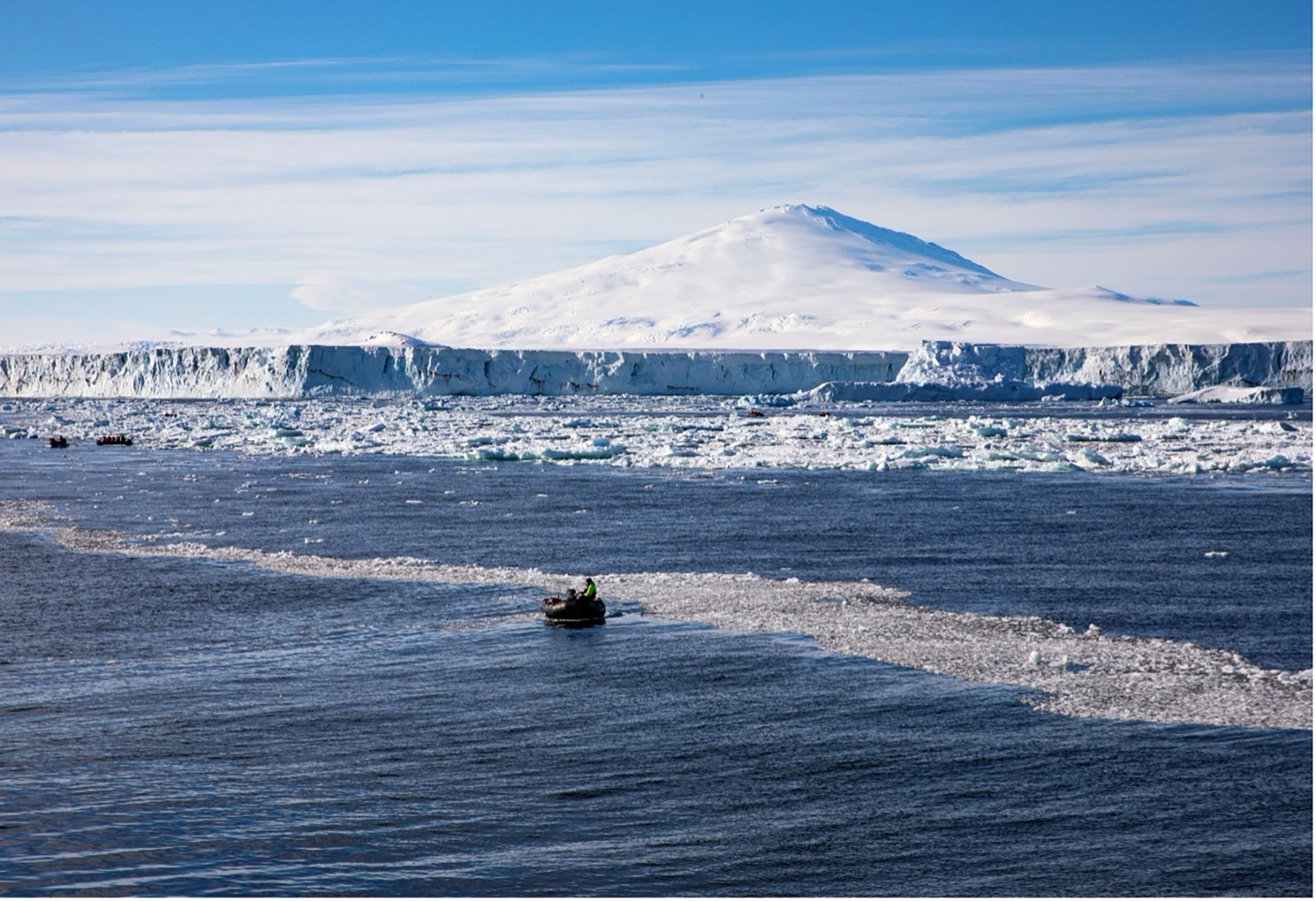
A recent study published in the journal "Proceedings of the National Academy of Sciences" (PNAS) indicates that the Antarctic Peninsula is accumulating mercury at a rate approximately twice as fast as other continental shelves globally. This accumulation has accelerated significantly, increasing by 160% since the onset of industrialization. Researchers analyzed 16 seabed samples from various locations on the peninsula, reconstructing environmental changes over the past 200 years to reach these conclusions. Mercury, a toxic atmospheric pollutant, can travel long distances before depositing in oceans and entering the marine food chain, potentially concentrating in sea life.
This study highlights a concerning feedback loop where global warming exacerbates mercury pollution in a sensitive ecosystem. As temperatures rise, melting glaciers and permafrost release previously stored mercury, while reduced sea ice exposes more ocean surface to atmospheric deposition. This dual mechanism transforms the Antarctic Peninsula from a passive sink into an active source of mercury release, increasing its circulation within the environment. The findings underscore the far-reaching consequences of industrial pollution and climate change, demonstrating how historical contamination can be re-mobilized by current environmental shifts, potentially impacting polar ecosystems and global biogeochemical cycles for decades to come.
AI-generated to prompt reflection — not editorial opinion, not advice, not a statement of fact. How this works.