Antarctic tour guides quit jobs over climate change concerns
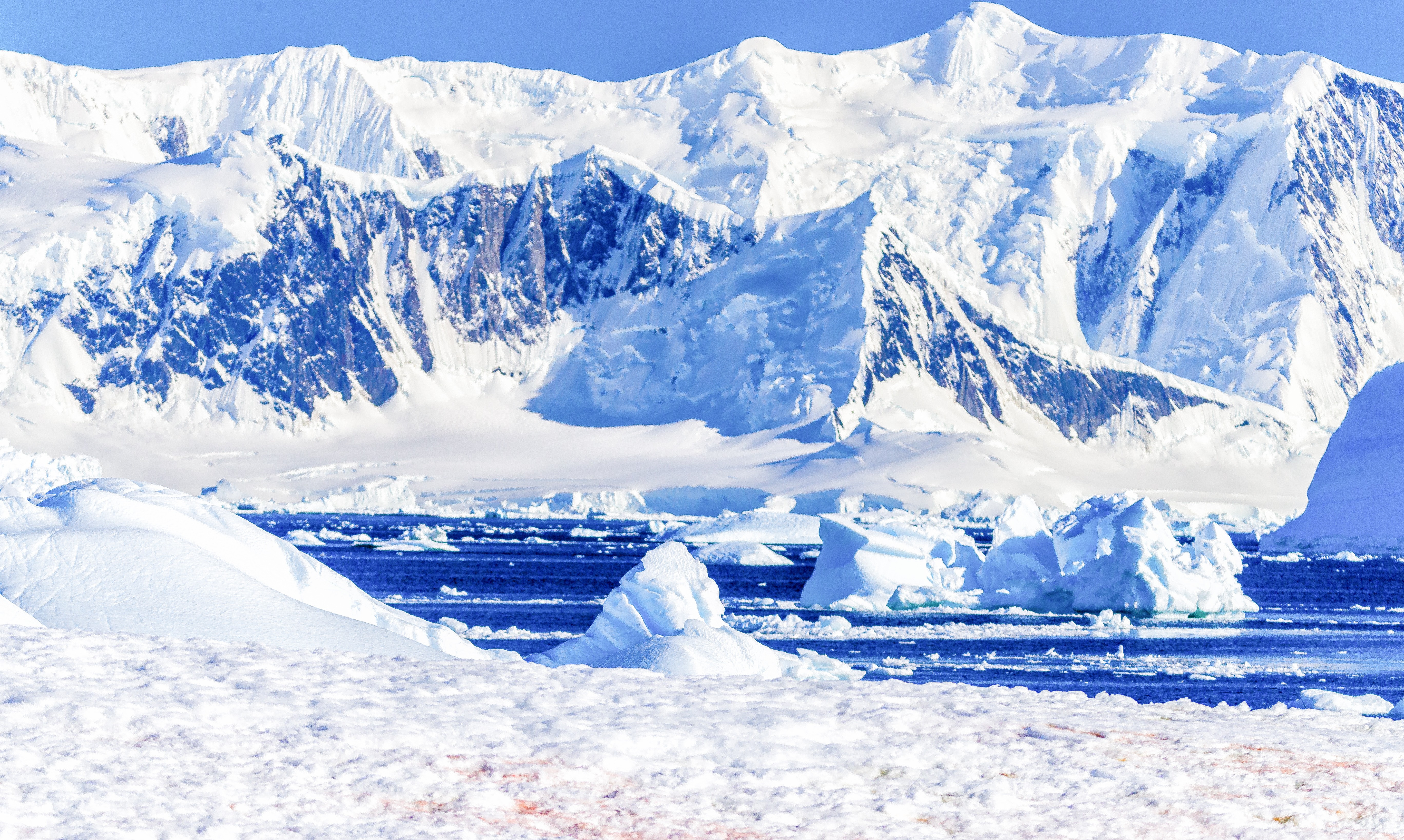
A new study reveals that many Antarctic tour guides are leaving their dream jobs due to the moral conflict of promoting tourism in an ecologically vulnerable region. These guides witness the severe impacts of climate change firsthand, such as massive glacier detachments and record-breaking temperatures, while simultaneously facilitating increased visitor numbers. The number of tourists visiting Antarctica is rapidly growing, with projections indicating up to 450,000 visitors per summer within a decade. This surge in tourism contributes significantly to CO₂ emissions, making it one of the most carbon-intensive forms of travel.
Guides interviewed for the study, all of whom chose to remain anonymous, described feeling distressed by the disconnect between the pristine environment they were showcasing and the environmental damage caused by human activity. They observed the constant disturbance to wildlife, like penguins having minimal rest periods due to continuous human presence. While tour operators claim that Antarctic tourism raises environmental awareness, the guides were struck by visitors' apparent ignorance of humanity's impact. The decision to leave was often a gradual process, stemming from years of internal conflict between the allure of working in remote, beautiful locations and the guilt of contributing to the expansion of the tourism industry.
For these former guides, the decision to leave was a painful but necessary step to align their actions with their values and well-being. They felt that continuing in their roles meant working against their conscience, impacting their mental health and sense of integrity. Ultimately, for many, the best way to protect the environment they loved was to distance themselves from the industry that was harming it. This departure, though difficult, often led to a sense of relief and improved well-being, allowing them to feel they were acting in accordance with what they believed was right.
The experiences of Antarctic tour guides highlight a systemic conflict between the economic incentives of the burgeoning polar tourism industry and the urgent need for environmental preservation. While tourism is often framed as a tool for education and conservation awareness, the operational reality, as described by former guides, reveals a significant disconnect. The sheer volume of visitors, coupled with the inherent carbon footprint of travel to remote destinations, raises questions about the sustainability of current models. Future governance frameworks for Antarctica will likely need to address these contradictions, potentially by implementing stricter environmental regulations, exploring alternative tourism models with lower impact, or considering caps on visitor numbers to mitigate ecological stress and preserve the region's integrity for the long term.
AI-generated to prompt reflection — not editorial opinion, not advice, not a statement of fact. How this works.