Antarctic Treaty Meeting Minutes Released Early Amid Transparency Push
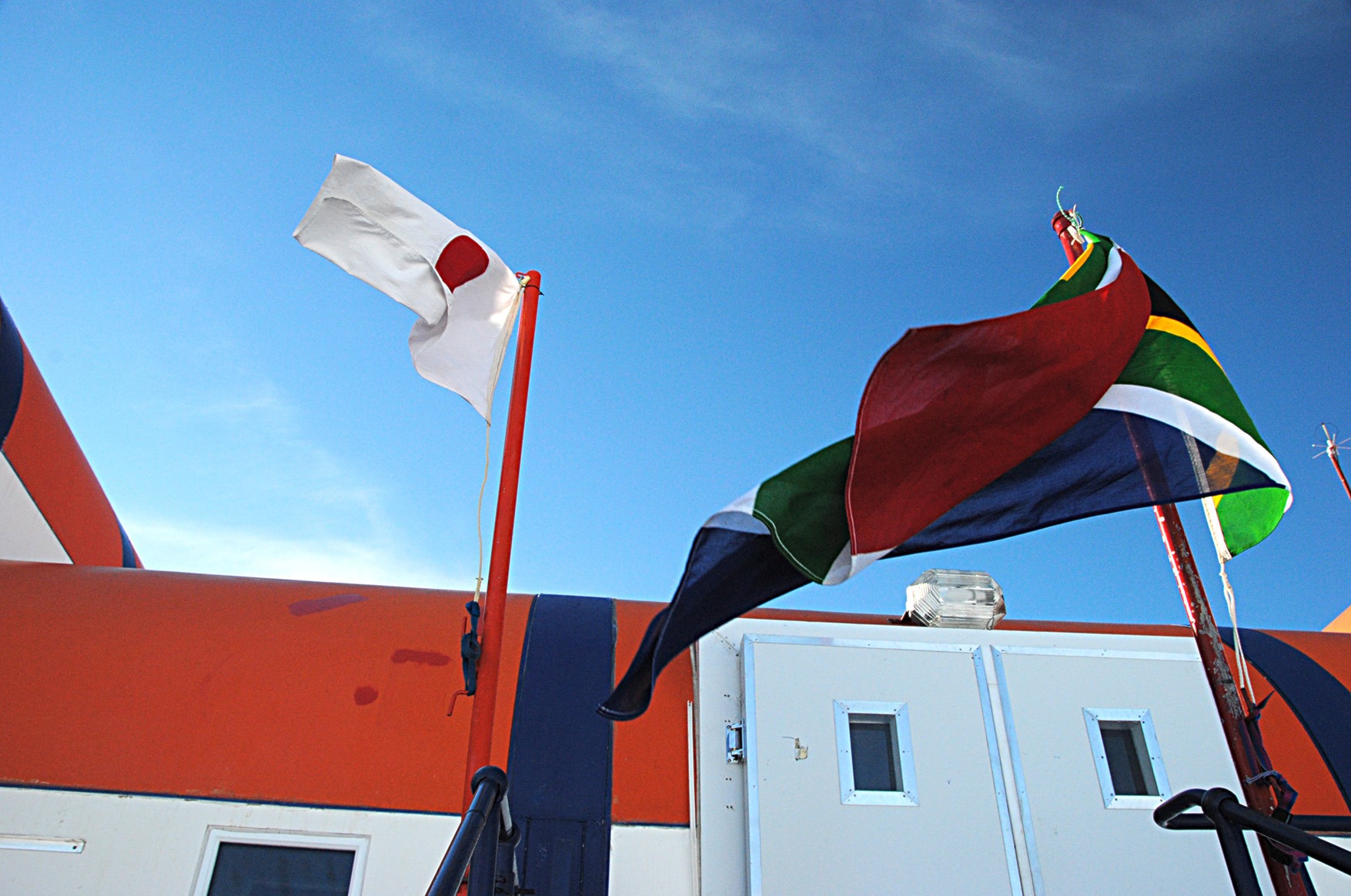
For the first time in history, the minutes from a meeting of the Antarctic Treaty Consultative Meeting (ATCM) have been published significantly ahead of schedule. This accelerated release follows a concerted effort by Australia, the Netherlands, and South Korea to enhance transparency within one of the world's most historically closed diplomatic systems. The ATCM governs activities on the continent, which is dedicated to peace and scientific research. The early publication aims to foster greater public understanding and engagement with the decisions made regarding Antarctica. This move represents a significant shift for the treaty system, which has often been criticized for its lack of openness. The participating nations hope this precedent will lead to more consistent and timely dissemination of information in the future. The release is seen as a victory for those advocating for a more open approach to international governance of the polar region. It underscores a growing global trend towards greater accountability in diplomatic processes.
The early release of Antarctic Treaty Consultative Meeting minutes signals a potential recalibration of diplomatic norms within a historically insular governance framework. This move, driven by key member states, reflects a broader global pressure for increased transparency and accountability in international decision-making. By opening up its proceedings, the ATCM may be responding to evolving expectations in the digital age, where information access is increasingly valued. This shift could foster greater public trust and potentially encourage more robust stakeholder engagement, though it also raises questions about the balance between timely information dissemination and the careful deliberation required for complex geopolitical and environmental issues. The long-term impact will depend on whether this becomes a sustained practice or an isolated event, and how it influences future treaty negotiations and environmental stewardship efforts in Antarctica.
AI-generated to prompt reflection — not editorial opinion, not advice, not a statement of fact. How this works.