Antarctica's Blood Falls Reveals a Subglacial World Unseen by Sunlight
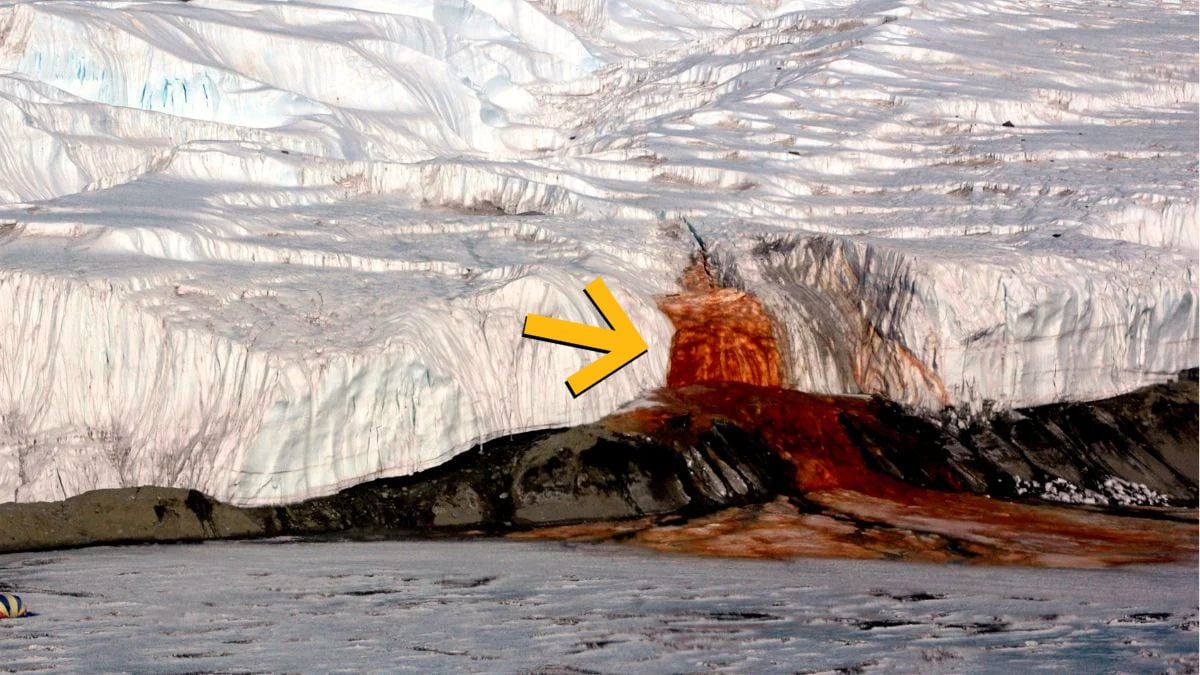
Antarctica's Blood Falls, a striking geological feature, conceals a complex and unique ecosystem previously hidden from scientific observation. This natural phenomenon, characterized by its vivid red outflow, is now understood to be more than just a visual curiosity. Recent investigations suggest that the waters emerging from the falls originate from a subglacial environment that has been isolated for potentially millions of years. This ancient brine, rich in iron, reacts with oxygen upon exposure, creating the distinctive "blood-like" appearance. The scientific community is particularly interested in the microbial life that may exist within this perpetually dark, high-salinity, and iron-rich water. Studying these organisms could provide insights into the limits of life on Earth and potentially inform the search for extraterrestrial life in similar extreme environments on other planets. The ongoing research aims to further unravel the mysteries of this isolated world, offering a glimpse into conditions that have persisted without sunlight for an extended geological period.
The discovery at Blood Falls highlights the potential for life to exist in extreme, isolated environments, challenging our understanding of habitability. This subglacial brine, untouched by sunlight for potentially millions of years, presents a unique case study for astrobiology and the evolution of life under pressure. Future research will likely focus on the genetic makeup and metabolic pathways of these extremophiles, offering insights into survival strategies that could be relevant for long-duration space missions or understanding Earth's deep biosphere. The implications extend to how we define and search for life beyond our planet, suggesting that environments previously considered inhospitable may harbor unique biological communities.
AI-generated to prompt reflection — not editorial opinion, not advice, not a statement of fact. How this works.