Antarctica's Concordia Station Records -119°F, Coldest Since 2012
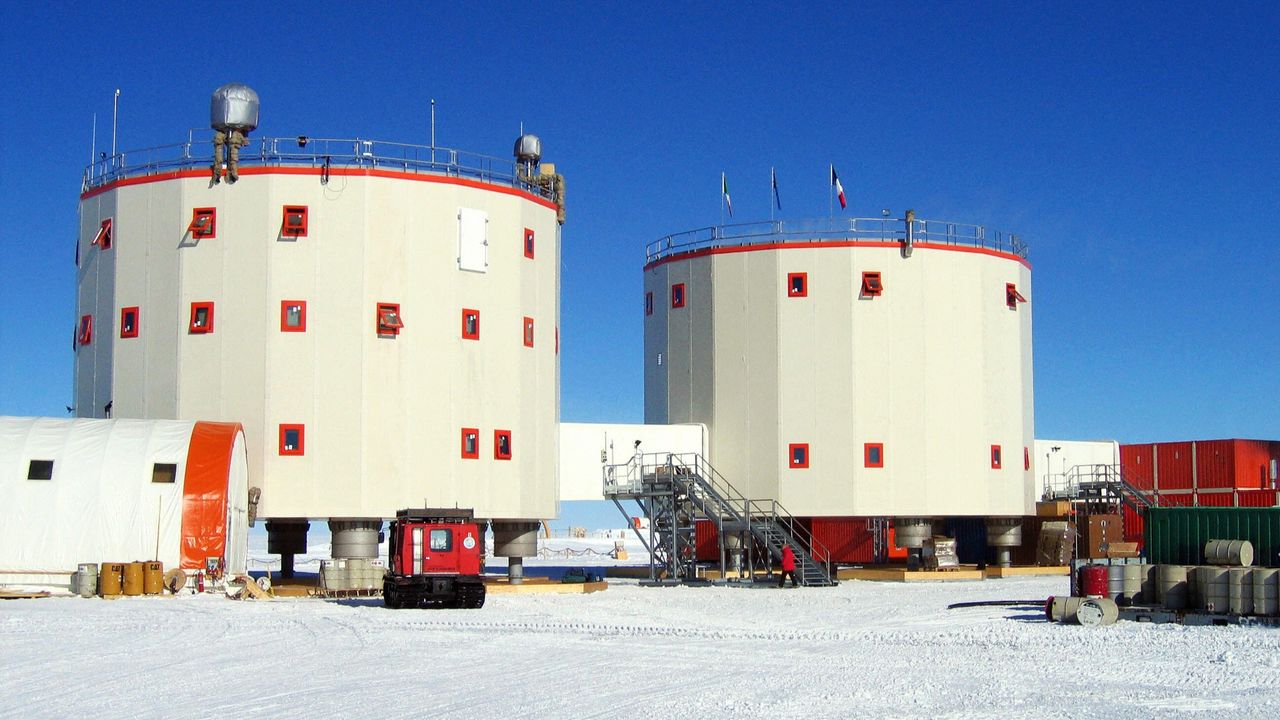
The Concordia research station in Antarctica has recorded an extremely low temperature of -119 degrees Fahrenheit. This marks the coldest temperature observed on Earth since 2012. Researchers at the station are often referred to as "astronauts of ice" due to the harsh and isolated conditions they endure. The extreme cold is characteristic of the Antarctic environment, particularly during certain times of the year. Concordia station is a unique base situated on the Dome C plateau, a high-altitude region of East Antarctica. Its location makes it a valuable site for scientific research, including glaciology, astronomy, and atmospheric studies. The extreme temperatures recorded highlight the planet's capacity for intense cold, even as global average temperatures continue to rise.
The reporting of extreme cold events in Antarctica, while factually accurate regarding local temperatures, can be juxtaposed against the broader context of global warming trends. Such extreme localized cold snaps do not negate the overwhelming scientific consensus on anthropogenic climate change and the long-term increase in global average temperatures. Understanding these phenomena requires differentiating between short-term weather patterns and long-term climate trends. The scientific community's focus remains on the systemic drivers of overall planetary warming, which are influenced by greenhouse gas emissions. Analyzing such events through a lens of climate change necessitates considering the complex atmospheric dynamics that can lead to temporary, localized deviations from the mean, while simultaneously acknowledging the persistent upward trajectory of global average temperatures over decades.
AI-generated to prompt reflection — not editorial opinion, not advice, not a statement of fact. How this works.