Antarctica's Surreal Voyage Offers Extraordinary Emotional Payoff
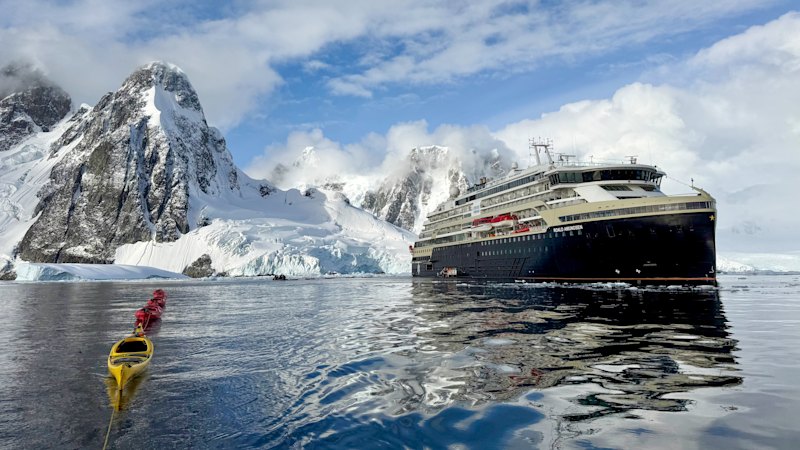
A journey to Antarctica is described as an experience entirely removed from the norms of everyday life, offering an extraordinary emotional payoff. The unique environment of the frozen continent is highlighted as something that normal life cannot adequately prepare individuals for. The surreal nature of the voyage is emphasized, suggesting a profound impact on those who undertake it. The stark contrast between the Antarctic landscape and typical human experiences creates a unique and memorable adventure. This expedition promises a level of emotional resonance that is unparalleled by conventional travel. The sheer remoteness and untouched beauty of Antarctica contribute to its transformative potential. Visitors often report a sense of awe and wonder that lingers long after their return. The continent's extreme conditions and isolation foster a deep connection with nature. Ultimately, the voyage is presented as a once-in-a-lifetime opportunity for profound personal reflection and discovery.
Expeditions to extreme environments like Antarctica tap into fundamental human desires for exploration and awe, offering a stark contrast to the increasingly digitized and predictable experiences of modern life. The 'emotional payoff' described suggests a powerful psychological response to confronting vast, untouched natural landscapes, potentially triggering a re-evaluation of personal priorities and societal values. This phenomenon highlights a growing market for 'authentic' or 'transformative' travel, driven by a societal yearning for experiences that foster self-discovery and a connection to something larger than oneself. The long-term implications may involve increased advocacy for conservation as individuals develop a deeper appreciation for these fragile ecosystems, though the environmental impact of such tourism itself presents a systemic contradiction that requires careful management.
AI-generated to prompt reflection — not editorial opinion, not advice, not a statement of fact. How this works.