Anti-Paper Leak Bill Clears India's Upper House, Awaiting Presidential Assent
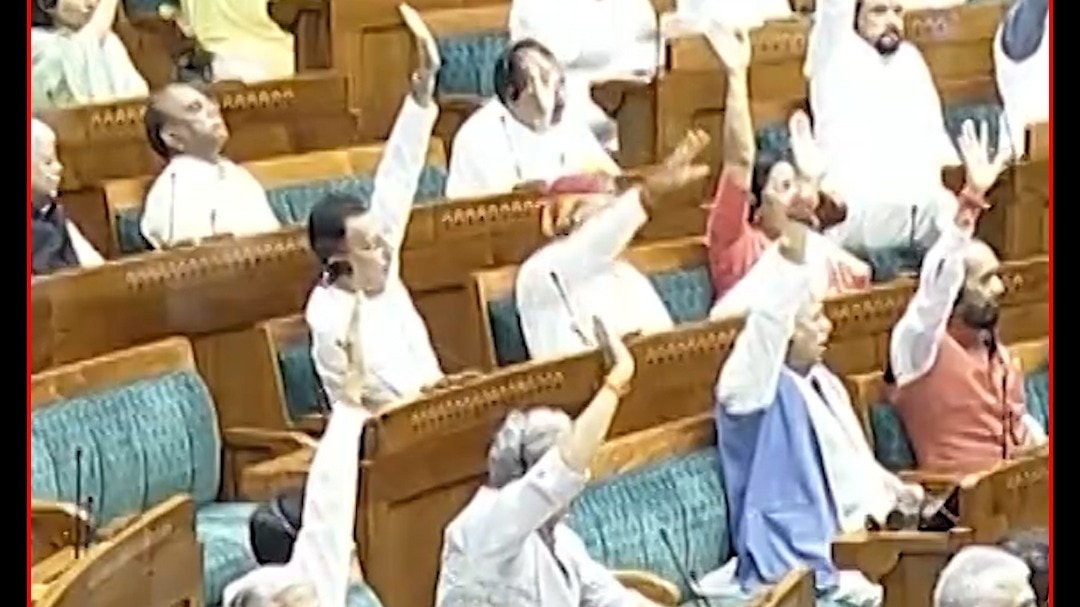
Following its passage in the Lok Sabha, India's new Anti-Paper Leak Bill has now been approved by the Rajya Sabha. The bill will become law once it receives the President's assent. The government states that the legislation aims to curb irregularities in various recruitment and entrance examinations across the country. However, the opposition has raised concerns regarding the bill's effectiveness and the government's commitment to preventing paper leaks. The bill is intended to address malpractices that have plagued competitive examinations, potentially impacting the fairness and integrity of the selection processes for numerous positions and educational institutions. The government's initiative reflects a broader effort to restore public trust in examination systems.
The passage of the Anti-Paper Leak Bill signifies a governmental response to persistent issues of examination integrity in India. By criminalizing paper leaks and related offenses, the legislation aims to deter future malpractices and enhance the credibility of recruitment and entrance tests. However, the effectiveness of such legal measures often hinges on robust enforcement mechanisms and the capacity of investigative agencies. The opposition's skepticism highlights a common challenge: translating legislative intent into tangible outcomes, particularly when addressing deeply entrenched systemic problems. Future success will depend not only on the punitive aspects of the law but also on proactive measures to secure examination processes and foster a culture of accountability within educational and administrative bodies. The long-term impact will be observed in the reduction of unfair advantages and the restoration of meritocratic principles in competitive assessments.
AI-generated to prompt reflection — not editorial opinion, not advice, not a statement of fact. How this works.