Antidepressant Found in Brains of Hammerhead Sharks Off Brazilian Coast
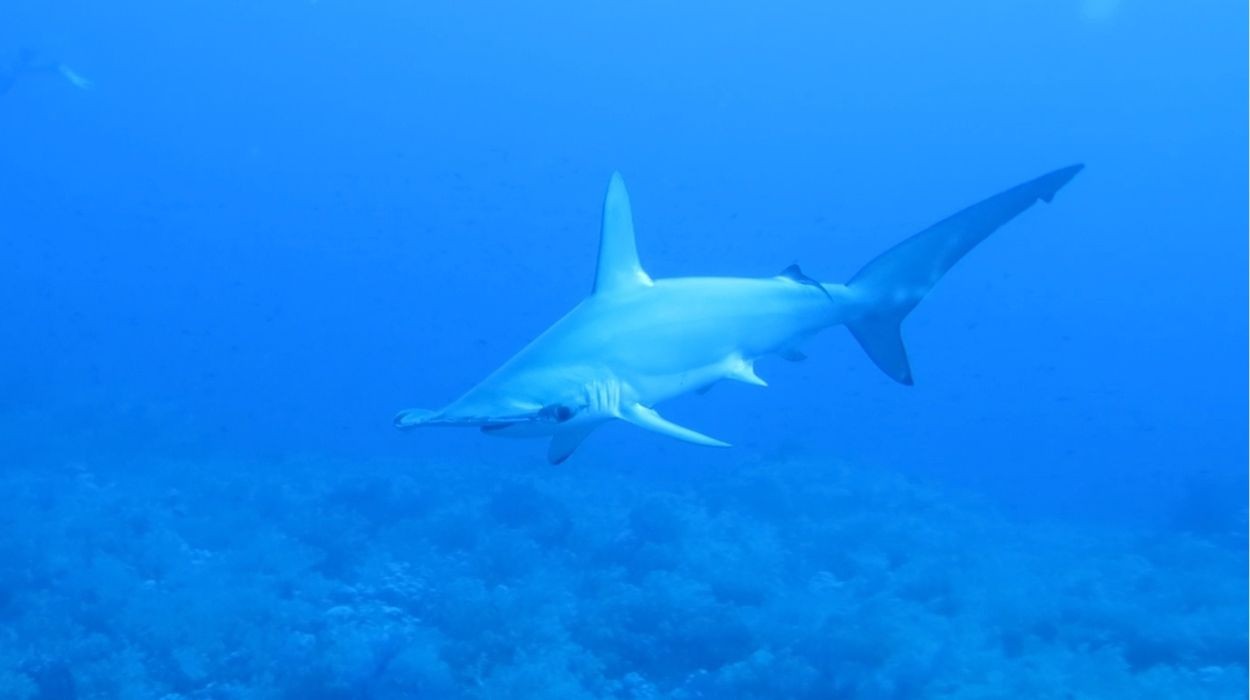
Researchers from the Federal University of Rio de Janeiro (UFRJ) have detected the widely used antidepressant sertraline in the brain tissue of hammerhead sharks (Sphyrna lewini and Sphyrna zygaena) caught off the coast of Rio de Janeiro, Brazil. These shark species are critically endangered. The animals were incidentally captured in fishing nets in areas including Recreio dos Bandeirantes, Barra da Tijuca, and Copacabana, and were provided to researchers through a partnership with local fishermen. This discovery, part of the EcoShark Project which has monitored shark health and emerging contaminants on the coast since 2018, adds to growing evidence that pharmaceutical residues are entering marine ecosystems and accumulating in apex predators. Sertraline, the active ingredient in many antidepressants, likely reaches the ocean through sewage systems, as conventional water treatment plants are not designed to fully remove pharmaceutical compounds. These contaminants can be absorbed by marine life or enter the food chain. The study suggests that sertraline's affinity for fatty tissues and nervous systems may explain its presence in the sharks' brains. While the researchers emphasize that this finding alone does not prove behavioral or physiological changes in the sharks, it highlights potential risks. Laboratory studies on zebrafish have shown sertraline can cause behavioral alterations, but its effects on sharks, with their distinct neurochemistry, remain unknown. The study underscores the urgent need for enhanced monitoring of pharmaceutical contaminants in marine environments, upgrades to sewage treatment infrastructure, and further research into the impacts of these substances on aquatic fauna.
This finding illustrates the pervasive reach of human-generated pharmaceuticals into natural ecosystems, even impacting critically endangered apex predators. The presence of sertraline in hammerhead shark brains, while not yet definitively linked to adverse effects, raises questions about the long-term ecological consequences of widespread drug contamination. Future research should focus on understanding the bioaccumulation dynamics and potential neurochemical or behavioral impacts on marine megafauna. This situation highlights a systemic challenge in waste management and environmental stewardship, suggesting a need for advanced wastewater treatment technologies capable of filtering complex pharmaceutical compounds. The discovery also prompts consideration of pharmaceutical industry responsibility in product lifecycle and potential for designing more biodegradable medications, aligning with broader sustainability goals for the next decade.
AI-generated to prompt reflection — not editorial opinion, not advice, not a statement of fact. How this works.