Antonio Machado's Tomb Reflects Spain's Political and Cultural Battles
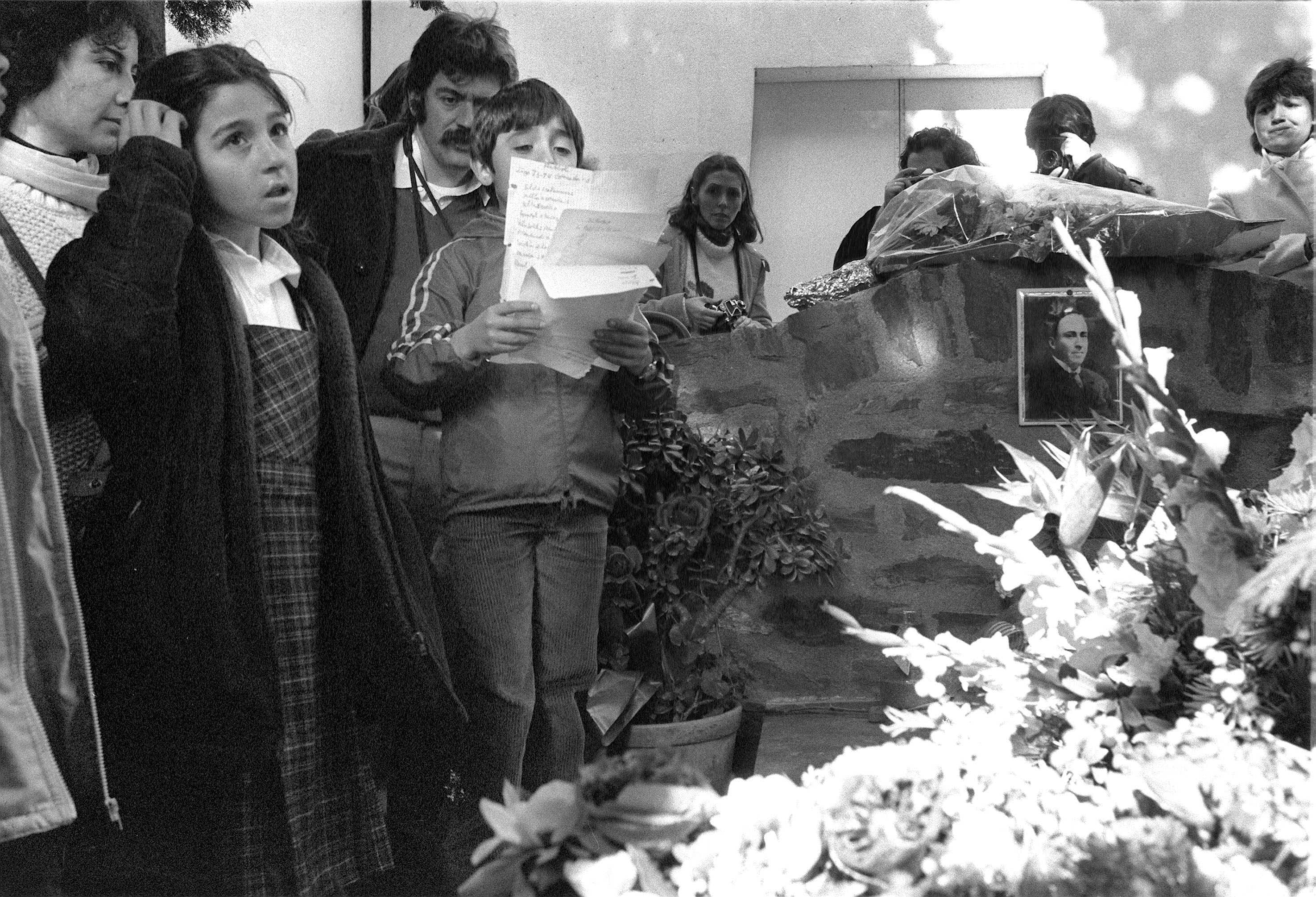
A detailed study by historian Antonio Niño reveals that the tomb of the renowned poet Antonio Machado in Collioure, France, has become a focal point for political and cultural conflict since his death. Niño's research documents how the poet's final resting place has been a site of contention, reflecting broader societal divisions within Spain. The study meticulously traces the historical trajectory of these disputes, highlighting their significance in shaping national memory and identity. Machado, who died in exile in Collioure in February 1939, shortly after fleeing the Spanish Civil War, has remained a potent symbol for various political factions. His legacy has been alternately claimed and contested by different groups seeking to align themselves with his intellectual and artistic contributions. The ongoing debate surrounding his tomb underscores the enduring power of cultural figures to embody and inflame political tensions. Niño's work provides a comprehensive historical account of these struggles, offering insights into Spain's complex past and its ongoing engagement with its own history.
The enduring political significance attributed to the tomb of Antonio Machado illustrates how cultural heritage can become a proxy for unresolved national narratives. The contestation over his final resting place highlights the persistent influence of historical memory on contemporary Spanish society, where figures and symbols from the past continue to be leveraged in ideological debates. This phenomenon suggests a societal need to reconcile historical divisions, with cultural touchstones like Machado's legacy serving as arenas for this ongoing process. The study's focus on the 'battle' over the tomb points to the systemic challenge of forging a unified national identity from a fragmented historical experience, particularly in the context of evolving geopolitical landscapes and the digital dissemination of historical interpretations.
AI-generated to prompt reflection — not editorial opinion, not advice, not a statement of fact. How this works.