Antwerp Flat Fire Caused by Short Circuit After Water Pipe Leak
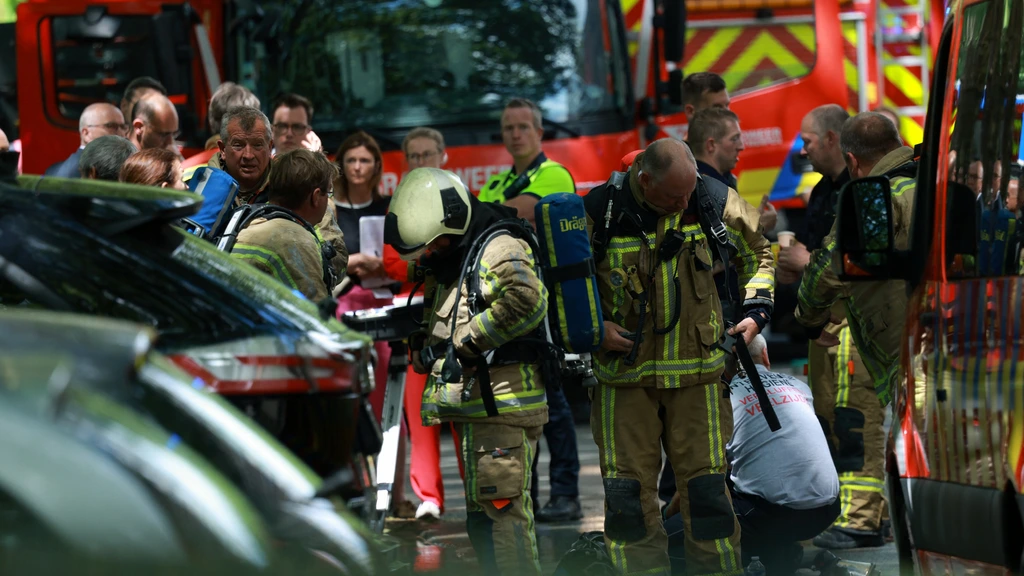
A fatal fire in an Antwerp apartment building last week was caused by a short circuit resulting from a leaking water pipe, the Antwerp Public Prosecutor's Office announced. Officials stated that the incident was not intentional. The copper water pipe was damaged while a new electrical cabinet was being installed in the utility shaft, which runs from the basement to the tenth floor. Water from the leak came into contact with the power supply for the apartments, leading to a short circuit and extremely high temperatures that ignited the fire. The flames then spread rapidly to higher floors through the shafts. Five women died in the blaze: four residents aged 72, 78, 80, and 93, and a 54-year-old visitor. Several other individuals were injured or had to be evacuated. A 72-year-old resident noticed the fire and immediately alerted emergency services, with other residents also helping to warn their neighbors. The investigation into the fire is ongoing, with the events being examined as accidental arson and involuntary manslaughter. Involved parties have been interviewed, and their statements are being compared with the fire investigator's findings. The fire broke out around 10:00 AM last Wednesday on the left bank of the Scheldt river.
The investigation into the Antwerp flat fire points to a tragic confluence of infrastructure maintenance and electrical systems, leading to an accidental ignition. This incident highlights the critical importance of rigorous safety protocols during building maintenance, particularly when working near essential utilities like water and electrical systems. Future considerations for building management and regulatory bodies might include enhanced oversight of maintenance contractors, more frequent inspections of utility shafts, and the implementation of advanced fire prevention technologies. The rapid spread of the fire also underscores the need for continuous evaluation of building fire safety designs, especially in older structures, to ensure adequate containment and evacuation routes in the event of an emergency.
AI-generated to prompt reflection — not editorial opinion, not advice, not a statement of fact. How this works.