Anvisa Warns: Experimental Obesity Drug Retatrutide Lacks Approval, Sold Products Are Illegal
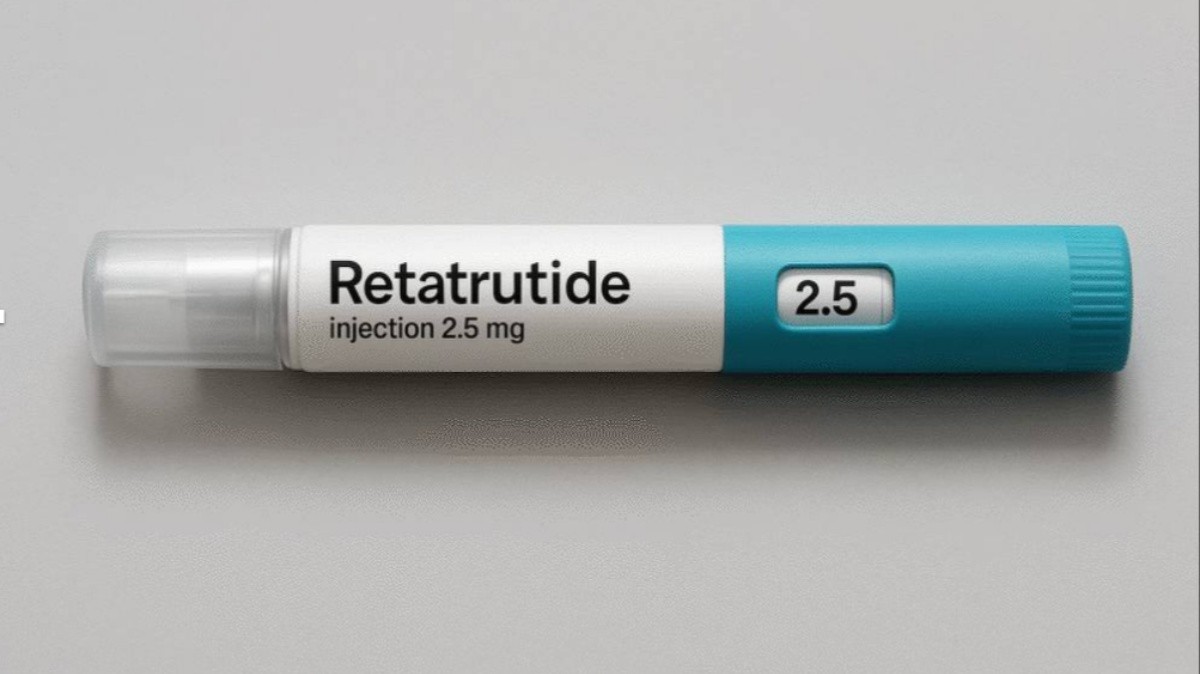
Brazil's National Health Surveillance Agency (Anvisa) has issued a warning that retatrutide, an experimental medication being studied for obesity and type 2 diabetes, has not yet received approval for use or sale in any country. Despite promising research results, including an average body weight reduction of up to 28.3%, the substance is still undergoing clinical development. This means that while testing is advanced, the comprehensive studies required to confirm its efficacy, safety, and quality are not yet complete. The manufacturer, Eli Lilly, is awaiting the finalization of these studies before seeking registration from health authorities. Anvisa has confirmed that no approval requests have been submitted to either Brazilian or international regulatory bodies. Consequently, any product currently marketed as retatrutide is considered illegal and unregulated. These illicit versions have been found on websites, social media, and in seizures at Brazilian borders. Without proper registration and oversight, there is no guarantee that these products contain actual retatrutide, the advertised dosage, or have been manufactured, transported, and stored correctly. The risks associated with consuming clandestinely sold experimental drugs extend beyond potential side effects, as irregular products bypass assessments of manufacturing facilities, raw materials, production processes, and storage conditions. The absence of a reliable tracking system for batches and investigation of severe reactions means product contents may vary in concentration, contain impurities, or lack the active ingredient altogether. Furthermore, there is no established timeline for retatrutide's market entry as its study program remains ongoing and no registration applications have been filed.
The situation highlights a critical tension between the rapid advancement of pharmaceutical research and the rigorous, time-consuming regulatory processes designed to ensure public safety. While promising clinical trial data for retatrutide suggests significant therapeutic potential, its current lack of regulatory approval underscores the necessity of thorough validation before widespread availability. The emergence of black market products, driven by public demand for novel treatments and the allure of rapid weight loss, presents substantial health risks due to the absence of quality control and accurate dosing. This scenario prompts consideration of how regulatory frameworks can adapt to accelerate access to potentially life-changing therapies without compromising safety standards, and how to effectively combat the proliferation of counterfeit or unapproved medications in the digital age.
AI-generated to prompt reflection — not editorial opinion, not advice, not a statement of fact. How this works.