ANWB Sees Surge in Medical and Roadside Assistance Requests This Summer
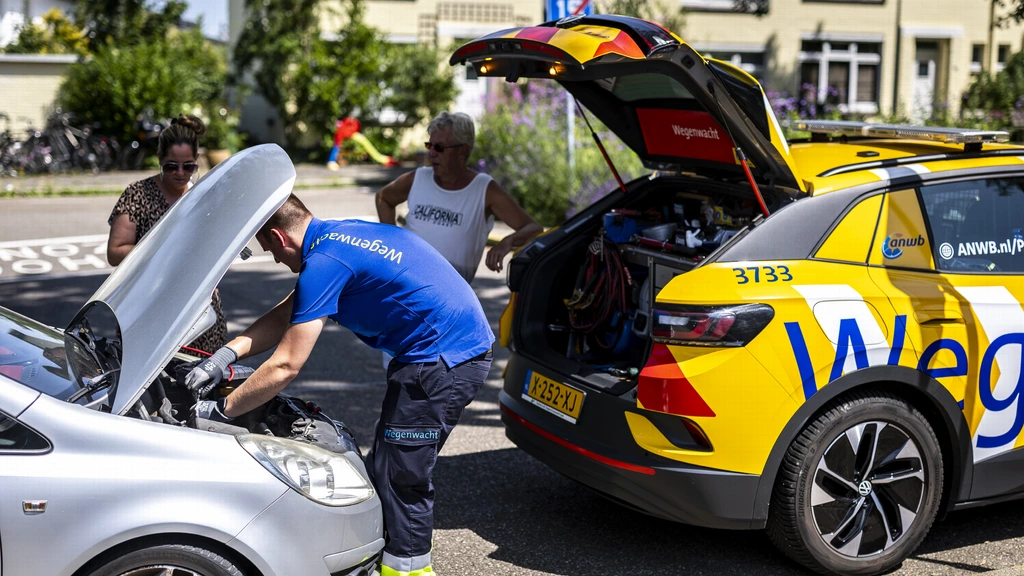
The Dutch roadside assistance organization ANWB has reported a significant increase in assistance requests during the current holiday season, with over 330,000 incidents logged by the ANWB Alarmcentrale for travelers both domestically and abroad. This represents an increase of at least 10,000 more requests compared to the same period last year. Notably, there has been a rise in medical assistance inquiries, including issues like infections, bruises, stomach problems, and ear infections, with contaminated swimming pool water cited as a potential cause for ear infections. The extreme heat is also contributing to increased vehicle strain and personal discomfort. Many of these requests originate from popular Southern European destinations, with Italy seeing a 23% rise, Spain 17%, and France 18%. Morocco, Turkey, and Eastern European countries also reported more medical aid requests. The ANWB also notes a growing trend of Dutch travelers taking bicycles on holiday, which has led to dozens of hospitalizations weekly, primarily due to head injuries and fractures, as foreign cycling infrastructure is often less developed than in the Netherlands. While France remains a top destination for car travelers with a 3% increase in calls, there's a noticeable shift in roadside assistance requests towards cooler destinations like Germany, the UK, Switzerland, Sweden, and Denmark, while Spain saw a 9% decrease in such incidents. Additionally, around sixty calls were related to evacuations due to wildfires, concerning insurance and compensation matters. The ANWB anticipates continued high demand for services in the remaining weeks of August.
The ANWB's report highlights the dual pressures of increased travel volume and environmental factors on holidaymakers. The rise in medical requests, particularly ear infections linked to swimming pools, suggests a need for greater public health awareness regarding hygiene in shared recreational water facilities. The correlation between heatwaves and increased vehicle and personal distress underscores the growing impact of climate change on travel infrastructure and individual well-being. Furthermore, the data on cycling accidents points to a systemic issue in adapting international tourism to diverse recreational activities, indicating a gap in safety preparedness and infrastructure development for cyclists in popular tourist regions. As travel patterns evolve, organizations like the ANWB are increasingly positioned at the nexus of logistical challenges, public health, and environmental resilience.
AI-generated to prompt reflection — not editorial opinion, not advice, not a statement of fact. How this works.