Aogashima: Japan's Isolated Island Inhabited by 170 People on an Active Volcano
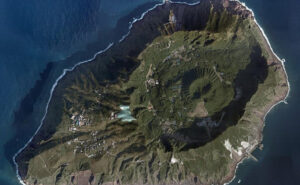
Aogashima is an unusual inhabited island located in the Philippine Sea, approximately 350 kilometers south of Tokyo, Japan. Formed by a major volcanic eruption centuries ago, its unique characteristic is that its residents live amidst a volcanic landscape, in close proximity to an active volcano. The island is home to around 170 inhabitants who are surrounded by this dynamic geological environment. Life on Aogashima presents a distinct living experience, shaped by the constant presence of volcanic activity. The isolation of the island contributes to its unique culture and way of life for the small community. Despite the inherent risks associated with living on an active volcano, the residents have adapted to their environment. The island's formation through a significant volcanic event highlights its geological importance. Aogashima remains one of Japan's most distinctive and remote inhabited locations, offering a glimpse into a life lived in close harmony with nature's powerful forces.
The existence of Aogashima, an inhabited island situated on an active volcano with a population of 170, presents a fascinating case study in human adaptation to extreme environments. From a risk management perspective, the long-term sustainability of such a settlement hinges on robust geological monitoring and effective emergency preparedness strategies, potentially leveraging advanced sensor networks and AI-driven predictive modeling for volcanic activity. The community's resilience is a testament to historical adaptation, but future planning must consider evolving climate patterns and potential increases in natural disaster frequency. The island's isolation, while fostering a unique culture, also poses logistical challenges for resource provision and external support, highlighting the trade-offs between self-sufficiency and access to modern infrastructure and services. This scenario prompts consideration of how global technological advancements can enhance safety and quality of life in remote, high-risk locations without compromising their distinct character.
AI-generated to prompt reflection — not editorial opinion, not advice, not a statement of fact. How this works.