Apartment Termite Infestations Rise: Understanding the Growing Urban Threat
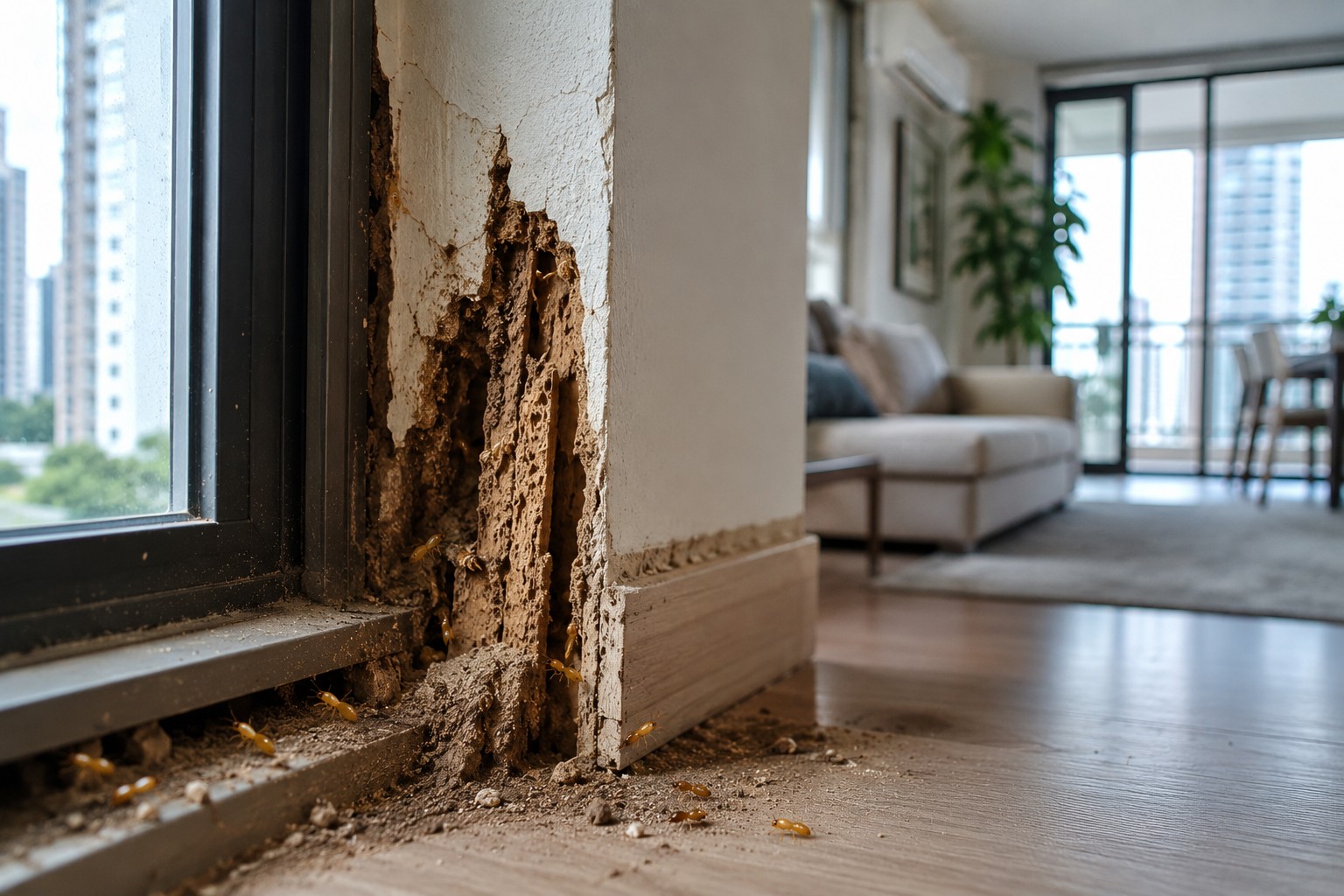
Termite infestations, once primarily associated with older houses and wooden structures, are increasingly being reported in modern apartments, surprising residents who believed their elevated homes offered protection. This shift is largely attributed to termites' remarkable adaptability to urban environments. According to Assis, an expert from Cupins SP, termites can infiltrate apartments through various means, including furniture, wooden elements within renovations, and even common building areas. Common entry points include built-in furniture, wardrobes, wooden doors and frames, long-stored cardboard boxes, items moved from infested properties, and shared ceiling structures. In some cases, established colonies within a condominium complex may expand into individual units. Even newer buildings are not immune, as termites feed on cellulose found in materials beyond traditional wood, such as those used in modern furnishings and decorative panels. The "silent enemy" nature of termites means infestations often go unnoticed for months or even years, with visible damage only appearing when the colony is well-established. Increased interior design projects and the installation of custom furniture have also contributed to the problem by introducing more food sources and creating hidden pathways for termites. Experts advise against simply removing damaged sections, emphasizing the need for a comprehensive inspection to locate the infestation's source and extent. Signs to watch for include scattered termite wings, sawdust-like piles, hollow furniture, bulging baseboards, sticking doors, small holes in wood, and the presence of flying termites. Given that a single colony can spread across multiple apartments and common areas, it is crucial to inform building management to address the issue comprehensively, as termites disregard property boundaries. Early detection is key to minimizing damage to both individual units and the condominium as a whole.
The increasing prevalence of termite infestations in urban apartments highlights a systemic challenge in adapting building materials and maintenance practices to evolving pest behaviors. As cities densify and construction methods change, the traditional understanding of pest control must be re-evaluated. The adaptability of termites to various cellulose-based materials, regardless of building age, suggests that preventative strategies need to encompass a broader range of materials and potential entry points, including shared infrastructure and imported goods. This trend underscores the importance of integrated pest management within condominium governance, moving beyond individual unit responsibility to a collective approach that addresses the entire building ecosystem. Future urban planning and construction may need to incorporate more resilient materials and design features that inherently deter such infestations, recognizing that environmental changes and human activity can create new vulnerabilities for pests to exploit.
AI-generated to prompt reflection — not editorial opinion, not advice, not a statement of fact. How this works.