Apollo 11's Unsung Heroes: The 400,000 Behind the Moon Landing
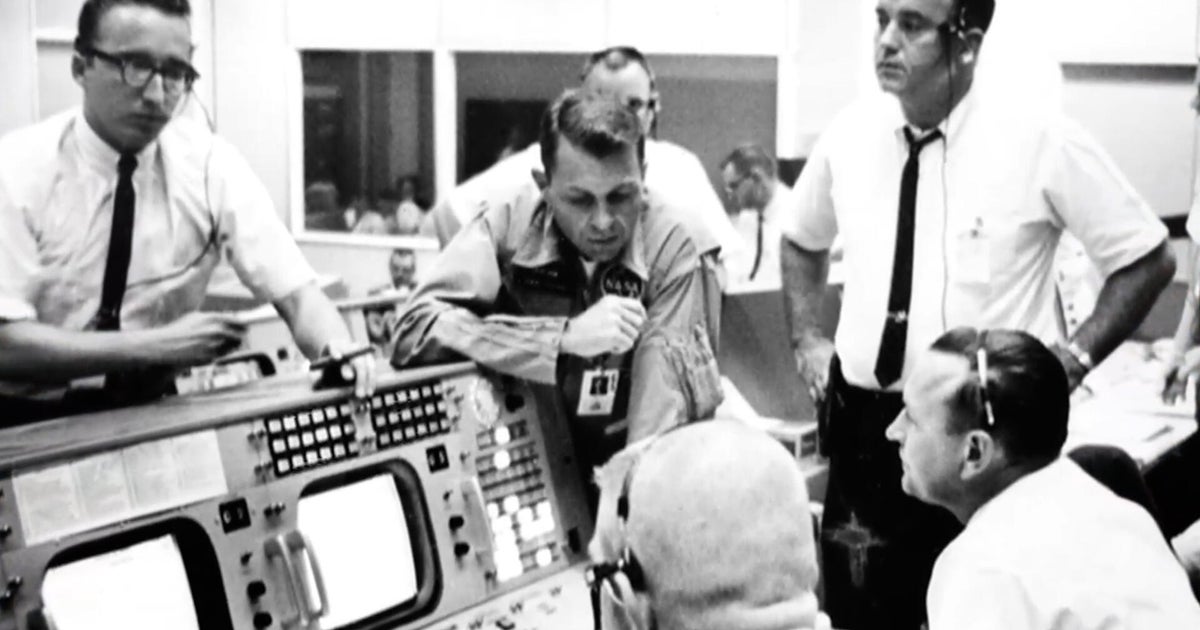
While the three astronauts of the Apollo 11 mission received widespread recognition for their historic 1969 moon landing, the success of the endeavor was the result of the dedicated work of approximately 400,000 individuals. These individuals operated behind the scenes, contributing essential efforts to make the mission a reality. In 2009, Randall Pinkston highlighted the contributions of one of these crucial, yet often overlooked, team members. This reporting underscores the vast collaborative effort required for such monumental achievements in space exploration, emphasizing that the astronauts were supported by an extensive network of engineers, technicians, scientists, and support staff.
The Apollo 11 mission's success exemplifies the power of large-scale, coordinated human effort, demonstrating that groundbreaking achievements often rely on a vast ecosystem of contributors beyond the most visible figures. This historical event serves as a reminder of the systemic complexity inherent in major technological and scientific undertakings. Examining such missions through a contemporary lens, particularly with the advent of advanced AI and automation, prompts reflection on how future large-scale projects might leverage technology to augment human capabilities, potentially altering the scale and nature of the required workforce while still necessitating robust project management and human oversight.
AI-generated to prompt reflection — not editorial opinion, not advice, not a statement of fact. How this works.