Apollo Guidance Computer Module Scrapped During Testing Gets a Second Chance
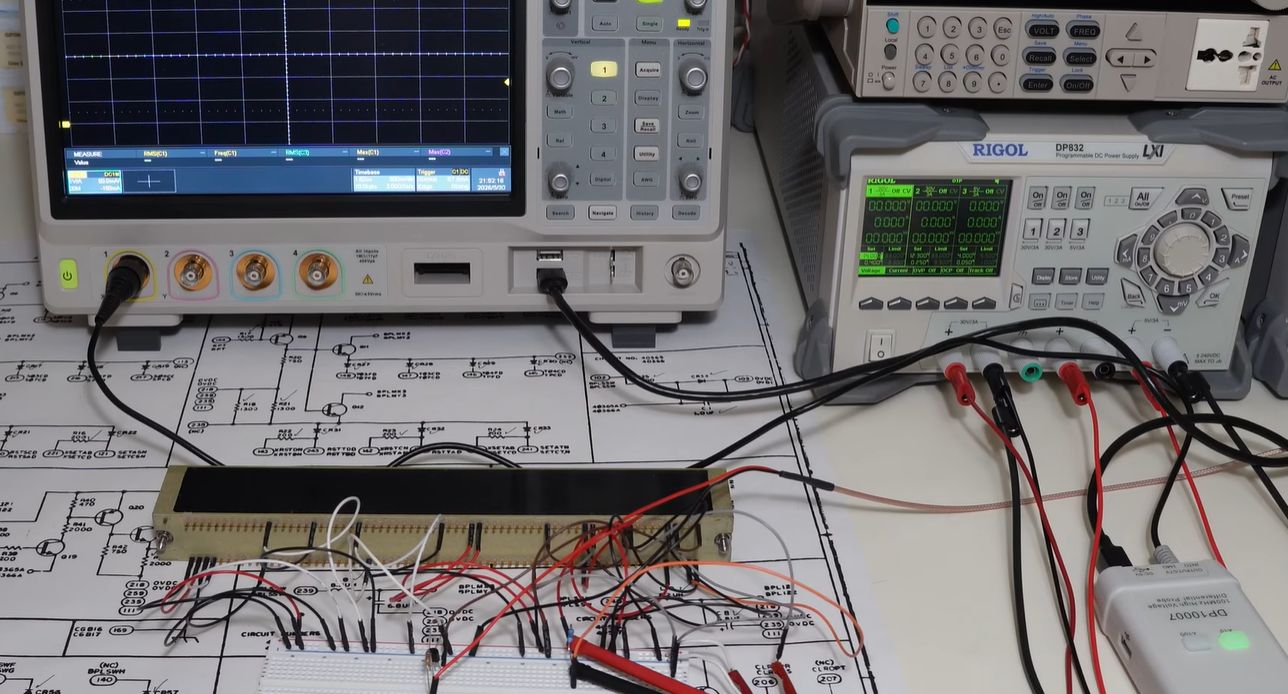
Mike Stewart acquired a rope driver module from the Apollo project era, clearly marked as 'Scrapped Module.' This marking indicated that the component failed its certification testing during the program. Driven by curiosity, Stewart decided to investigate the reasons behind its failure. He has begun the process of re-testing the module to understand its original shortcomings. The Apollo Guidance Computer (AGC) was a pioneering digital computer used in NASA's Apollo spacecraft, responsible for navigation and control. These modules were critical to the success of the lunar missions. The fact that a module was scrapped suggests a rigorous testing and certification process was in place. Stewart's efforts aim to shed light on the specific failure modes encountered during the Apollo era. This endeavor could provide valuable insights into the engineering challenges and quality control measures of that time. The re-testing process will likely involve detailed diagnostics to pinpoint the exact issues that led to its initial rejection.
The preservation and re-testing of historical aerospace components like this Apollo Guidance Computer module offer a unique window into past engineering rigor and quality control. Examining why a module failed certification highlights the critical importance of robust testing protocols in high-stakes projects. Understanding these historical failure points can inform contemporary aerospace design and testing methodologies, particularly as complex systems become increasingly reliant on sophisticated computing. This process underscores the continuous learning curve inherent in technological advancement, where even discarded elements can yield valuable data for future innovation and reliability improvements.
AI-generated to prompt reflection — not editorial opinion, not advice, not a statement of fact. How this works.