App-Assisted Police Operation Flags Over 170 Inmates Violating Temporary Leave in São Paulo
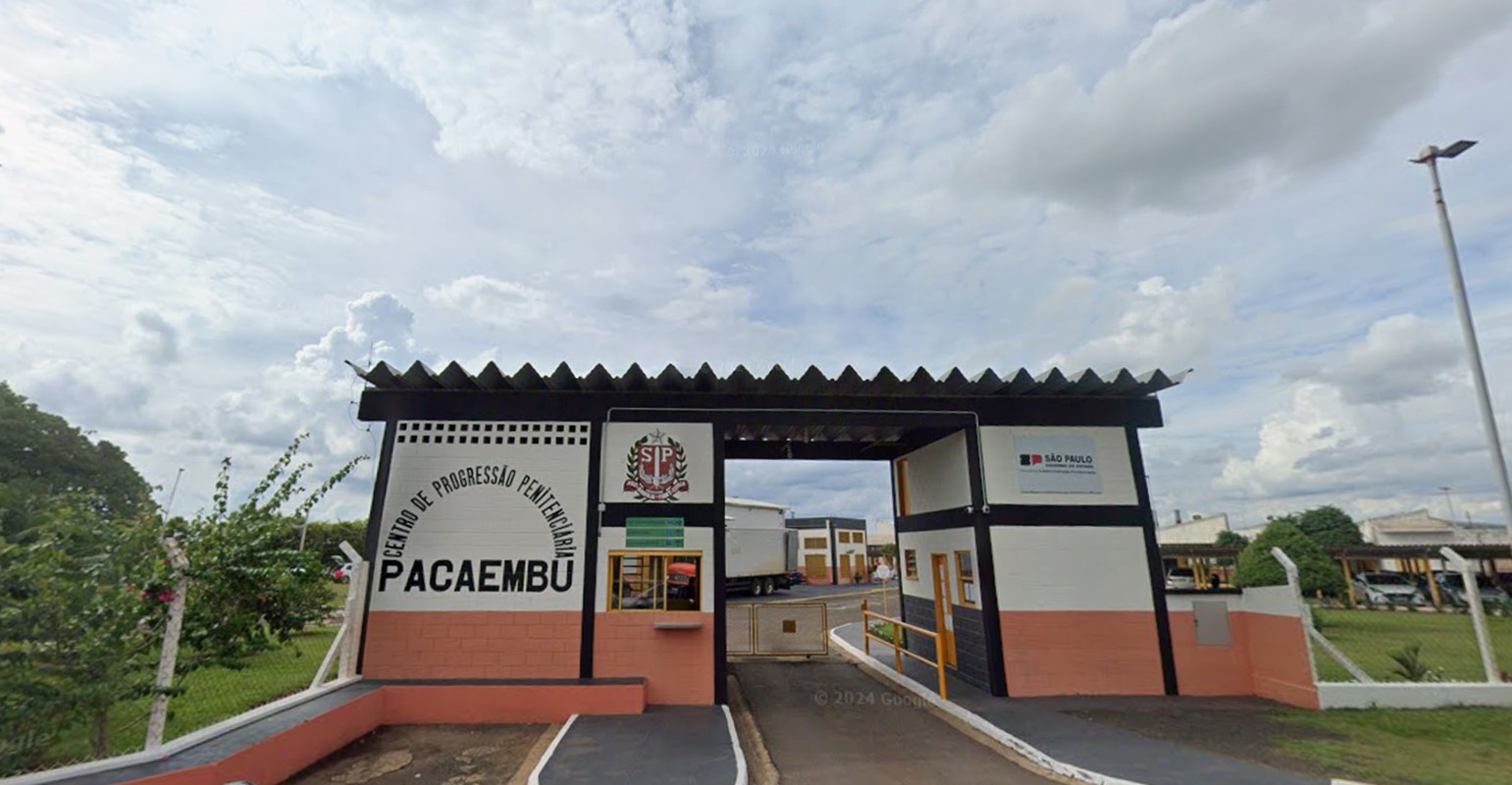
A recent operation by the Military Police in the Presidente Prudente region of São Paulo, Brazil, utilizing a technological tool called Projeto Vida, identified 177 inmates who violated the terms of their temporary leave, known as 'saidinha,' during June. This initiative, which ran from June 16 to June 23, involved 1,080 fiscalizations across 67 municipalities under the command of the Interior-8 Policing Command (CPI-8). During this period, 3,950 inmates in semi-open regime were granted temporary leave. Of these, 109 failed to return to correctional facilities, automatically becoming fugitives and losing their semi-open status, facing return to closed regime upon recapture. The special operation, supported by the Projeto Vida application, led to the identification of these 177 violations, which included not returning home at curfew, being in prohibited locations, and other rule breaches. Additionally, five inmates were arrested for theft and drug trafficking while on leave, with their locations identified by the monitoring system. Captain Anderson Garridos Caione of CPI-8 highlighted Projeto Vida as an innovation that enhances police effectiveness and public safety, enabling swift reporting to the judiciary for benefit revocation. The system maps beneficiaries, displaying their details and required rules on police vehicle terminals, alerting officers when they approach a monitored inmate's registered address.
The deployment of the Projeto Vida application represents a strategic shift towards data-driven enforcement in managing temporary inmate releases, aiming to enhance compliance and public safety. By leveraging technology for real-time monitoring and alerts, law enforcement agencies can more efficiently identify and address violations, potentially reducing recidivism and strengthening the perceived legitimacy of the judicial system's rehabilitation programs. This approach, however, raises questions about the scalability and privacy implications of widespread digital surveillance for individuals transitioning back into society. Future considerations should include evaluating the long-term impact of such technologies on reintegration success rates and ensuring equitable application across diverse inmate populations, balancing security imperatives with rehabilitation goals in the evolving landscape of correctional technology.
AI-generated to prompt reflection — not editorial opinion, not advice, not a statement of fact. How this works.