App Delivery Driver Arrested in Niterói for Stealing Imported Wines
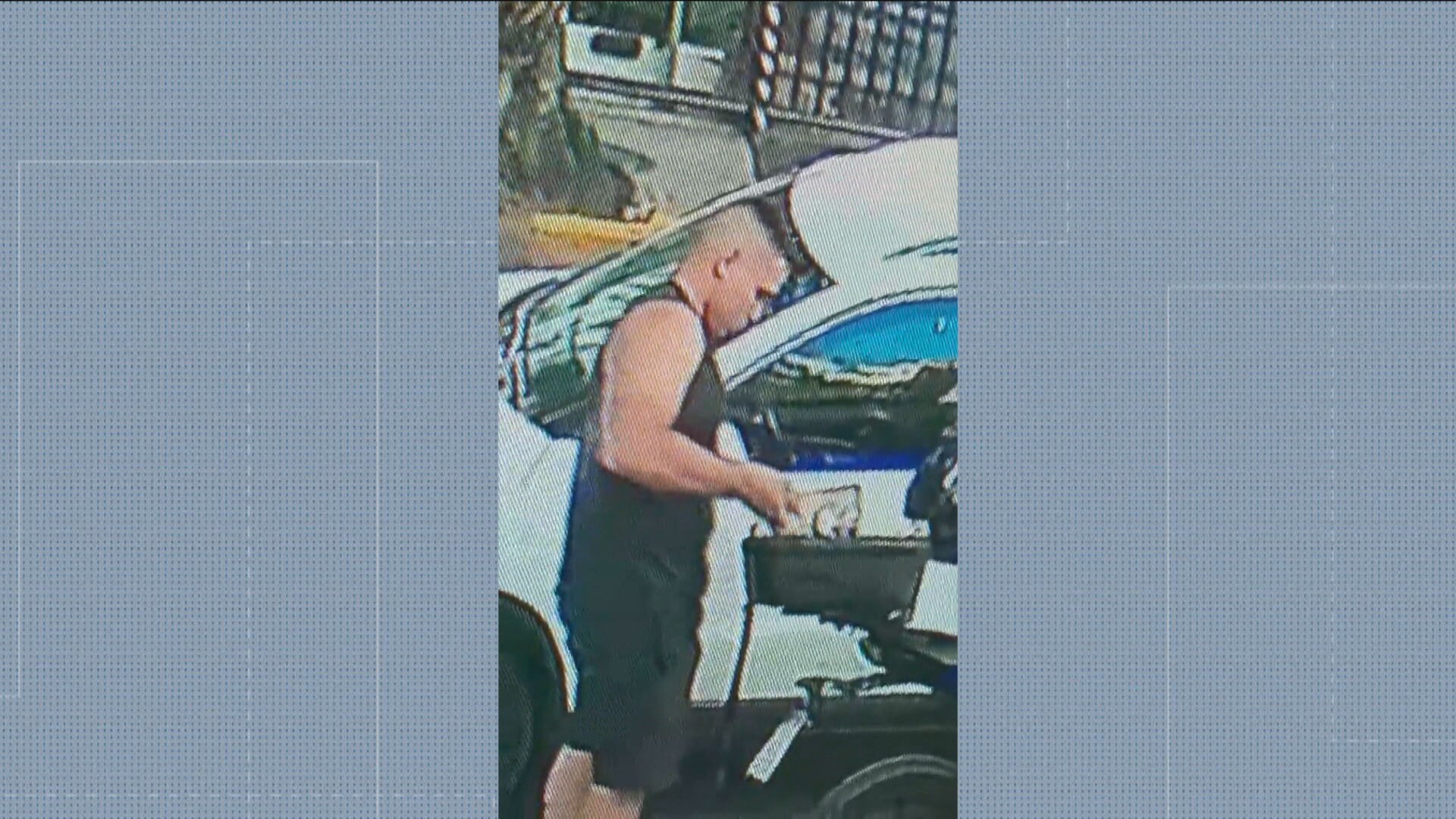
A delivery driver working for an app was arrested in Niterói, Metropolitan Region of Rio de Janeiro, after stealing six bottles of imported wine intended for customers. The arrest occurred on Saturday, May 18th. The driver, registered with a delivery application, was entrusted with delivering four bottles to one address and two to another. However, investigations revealed that he removed the wines from his delivery vehicle but failed to complete either delivery. He falsely marked both deliveries as completed within the application. Subsequently, the customers contacted the vendor, reporting non-receipt of their orders, prompting the filing of a police report. The motorcycle used in the crime was identified through the city's monitoring system, which tracked its movement in the Largo da Batalha area on Wednesday, May 22nd. Security teams located the driver and apprehended him on Rua Mário Viana in Santa Rosa after a short pursuit. Security camera footage corroborated the driver removing the wine boxes from the establishment and placing them in his motorcycle's storage compartment before leaving. The case was registered at the 77th Police Station (Icaraí), where the driver was charged with theft, and his motorcycle was seized. Attempts to contact the driver's defense have not yet been successful.
This incident highlights a vulnerability within the gig economy's logistics chain, where independent contractors handle valuable goods. The reliance on self-reporting for delivery completion, coupled with a lack of real-time, granular tracking of high-value items, creates opportunities for fraud. While the driver's actions represent individual malfeasance, the system's design appears to have facilitated the theft by allowing for falsified completion statuses. Future iterations of such delivery platforms might consider integrating more robust, independent verification mechanisms for high-value deliveries, potentially involving IoT sensors or conditional digital confirmations, to mitigate similar risks and maintain consumer trust in the service.
AI-generated to prompt reflection — not editorial opinion, not advice, not a statement of fact. How this works.