App Driver Accused of Stealing 50-Inch TV After Canceling Delivery in Brazil
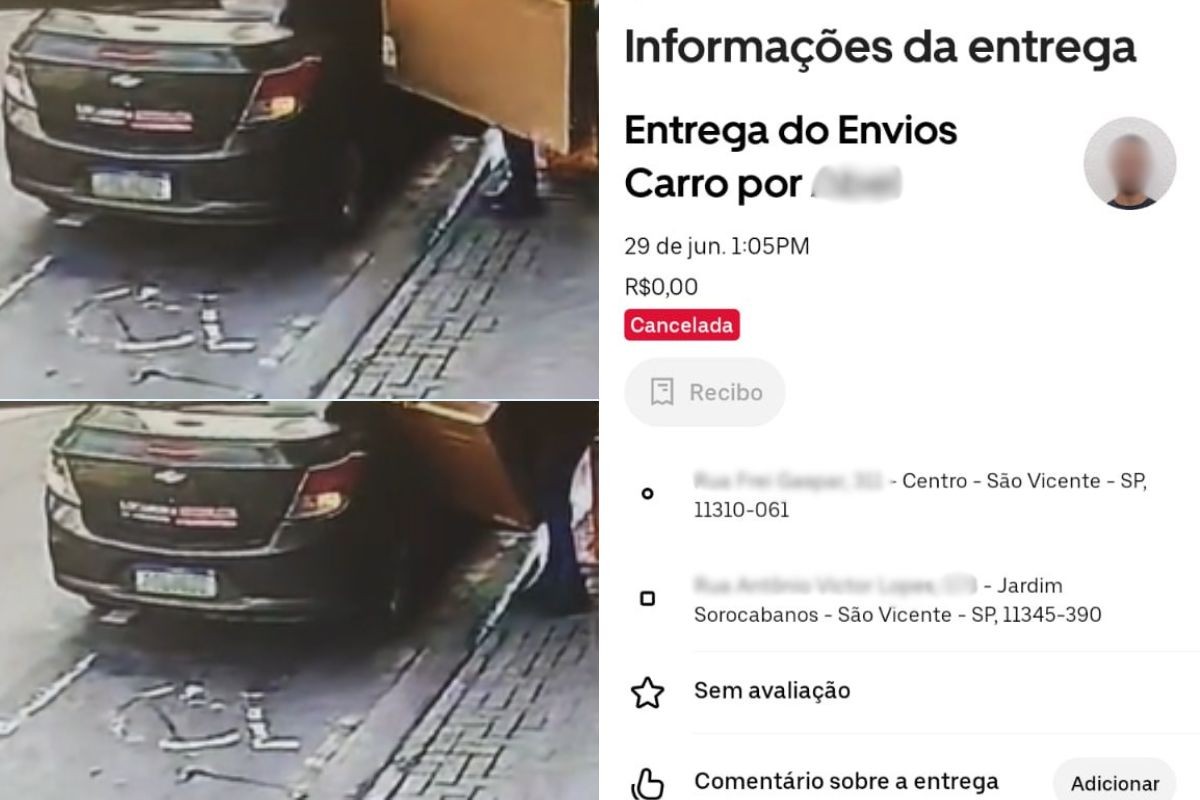
A rideshare driver is under investigation for allegedly stealing a 50-inch television in São Vicente, on the coast of São Paulo, Brazil. The incident occurred when the driver was hired through Uber Envios to transport the newly purchased TV to the customer's home. The victim, a 32-year-old construction worker who wished to remain anonymous, had bought the television during a World Cup promotion and needed it delivered as he was traveling by motorcycle. After placing the TV, still in its original packaging, into the back seat of the car, the victim departed. Upon arriving home, he discovered the delivery was no longer active on the app, indicating the driver had canceled the trip without his knowledge. Security footage from a nearby business captured the moment the victim loaded the television into the vehicle. The victim expressed frustration and a sense of being wronged, particularly by the platform he trusted for secure deliveries. He reported the theft to the police and contacted Uber, but received no information about the driver. The São Paulo Civil Police are investigating the theft, which took place on Monday, August 29th. In response, Uber has suspended the driver's account from its platform pending the outcome of the investigation and stated they are cooperating with authorities. The company also noted that Uber Envios offers optional insurance for deliveries through a partner company and a verification code system for pick-up and drop-off.
This incident highlights vulnerabilities within app-based delivery services, particularly when transporting high-value goods. The driver's alleged actions exploit the trust inherent in platform-based logistics, suggesting a potential gap in real-time monitoring and driver vetting for such services. While Uber has suspended the driver and offered cooperation, the case raises questions about the platform's recourse mechanisms and the effectiveness of its verification protocols for delivery drivers. The availability of optional insurance and verification codes points to a strategy of risk mitigation, but the core issue remains the potential for misuse of the platform by individuals seeking to defraud customers. Future iterations of such services may need to incorporate more robust identity verification, real-time GPS tracking with geofencing for deliveries, and immediate dispute resolution protocols to rebuild user confidence and prevent similar occurrences.
AI-generated to prompt reflection — not editorial opinion, not advice, not a statement of fact. How this works.