App Driver and Accomplices Kidnap, Rob Woman in Fortaleza
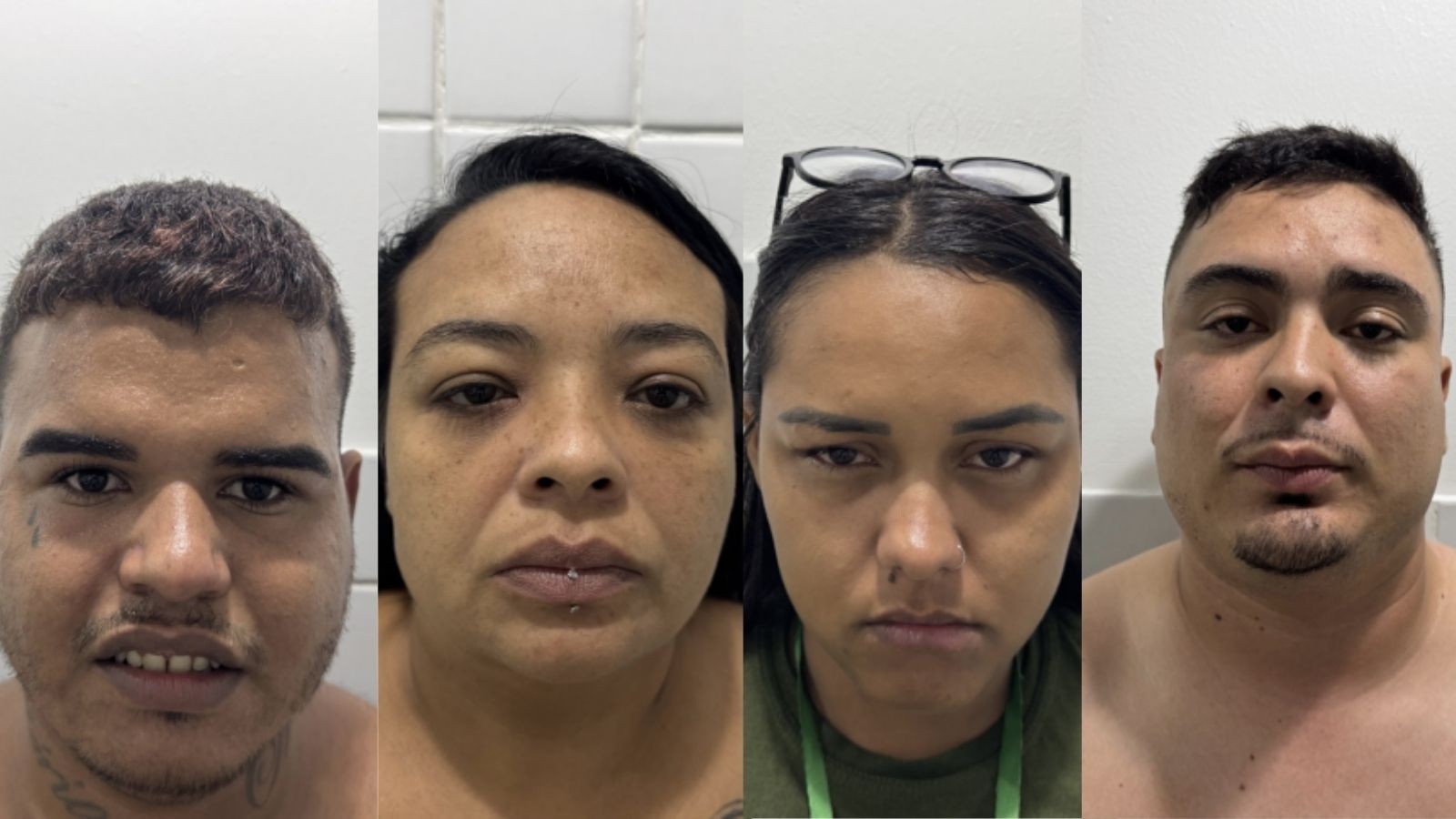
A woman was kidnapped and held captive in Fortaleza, Brazil, on the night of Thursday, July 9th, after entering what she believed to be an Uber. The victim had just left a showhouse in the Meireles neighborhood and requested a ride through the Uber platform. The driver, identified as Matheus Bandeira Fontoura, deliberately altered the route shortly after she boarded, stopping at a pre-arranged location where two accomplices entered the vehicle. Armed with a fake firearm, the assailants hooded the passenger and demanded access to her phone and bank accounts. She was then taken to a hideout and subjected to death threats while the criminals accessed her financial information. The group proceeded to make electronic transfers, obtain bank loans, and use the victim's cards. Police arrested Fontoura and four others hours after the crime. Investigations by the Anti-Kidnapping Division revealed that some stolen funds were transferred directly to the driver's account. Fontoura confessed and implicated Claudio Natan Barros da Silva, known as "Sorriso," as an organizer. Police also apprehended Otavio Joas Martins de Castro and Ana Karolina da Silva Horta at a residence linked to the suspects, recovering the victim's jewelry and seizing a fake gun, cash, marijuana, and approximately 50 grams of cocaine. Ana Karolina assisted with financial transactions while the victim was captive, and Otavio facilitated the financial fraud and drug trafficking. A fifth suspect, Rayane da Silva Queiroz, was arrested for receiving some of the stolen money. All suspects were arrested in the act and face charges including aggravated robbery, qualified extortion, criminal association, and drug trafficking. Their arrests were converted to pre-trial detention on July 11th.
This incident highlights vulnerabilities within the gig economy's transportation sector, where identity verification and real-time monitoring protocols may be insufficient to prevent sophisticated criminal operations. The perpetrators exploited the trust inherent in ride-sharing services to execute a multi-faceted crime involving kidnapping, extortion, and drug trafficking. The swift apprehension of the suspects, facilitated by the victim's financial data and subsequent confessions, underscores the critical role of digital forensics in modern law enforcement. Moving forward, enhanced security measures for both drivers and passengers, potentially involving more robust background checks, in-app safety features, and immediate incident reporting mechanisms, could mitigate such risks. The intersection of financial fraud and physical coercion in this case also points to the evolving tactics of organized crime, necessitating adaptive strategies from both private platforms and public security agencies to protect citizens.
AI-generated to prompt reflection — not editorial opinion, not advice, not a statement of fact. How this works.