App Driver Arrested for Kidnapping, Planned More Victims in Fortaleza
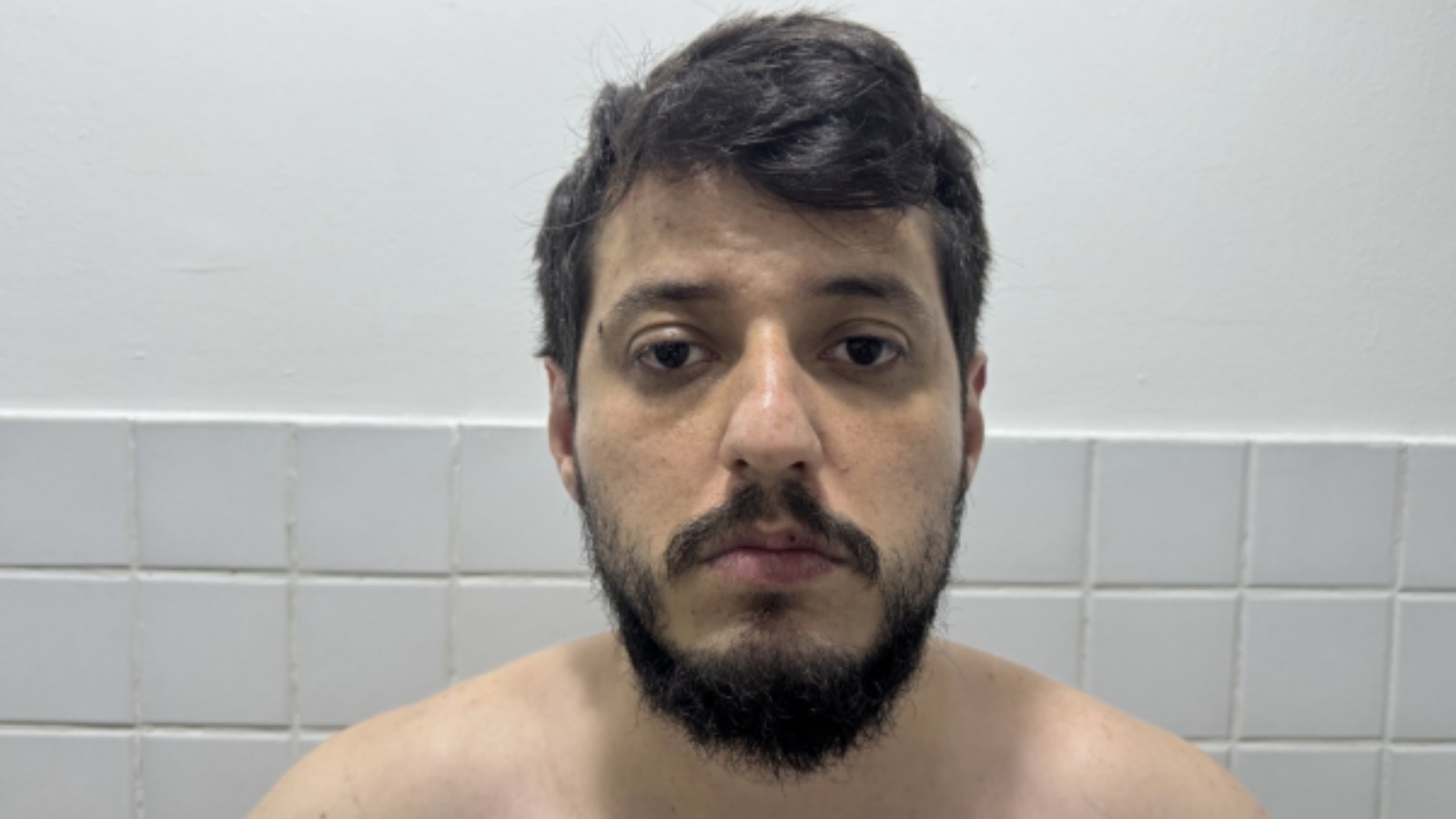
Matheus Bandeira Fontoura, an app driver arrested for kidnapping and extorting a passenger in Fortaleza, had allegedly planned to target a businessman, a doctor, and a nurse. According to his accomplice, Cláudio Natan Barros da Silva, Fontoura suggested these individuals for future crimes. The initial victim, a fashion designer, was abducted after leaving a nightclub on Thursday, May 9th. She was hooded and extorted by the group. Silva also stated that Fontoura wanted to kidnap his ex-wife, a doctor, and a bar owner, whom Fontoura was reportedly planning to purchase. Fontoura claimed he participated under duress from Silva, who allegedly threatened him. Fontoura's defense team maintains his innocence, asserting he was a victim of the other involved parties and highlighting his clean criminal record. Silva confessed to his participation, using a fake firearm to threaten the victim and attempting to make financial transactions from her phone. He also directed some of the extorted money to his child's mother, Rayane da Silva Queiroz. Queiroz denied direct involvement in the kidnapping but admitted to receiving money, stating she was unaware of its illicit origin until later. Another suspect, Otavio Joas Martins de Castro, denied participation, claiming he was only collecting money for Silva. Ana Karolina da Silva Horta, Silva's girlfriend, allegedly assisted with the victim's bank transactions while she was held captive. Four suspects were arrested, but Queiroz was released with cautionary measures, as the judge found insufficient evidence of her direct participation in the crime itself. Uber has deactivated Fontoura's account and is cooperating with authorities.
This incident highlights systemic vulnerabilities within the gig economy, particularly concerning passenger safety and driver vetting. The alleged planning of further crimes by the arrested driver suggests a potential gap in real-time risk assessment and proactive intervention capabilities for ride-sharing platforms. Future considerations should focus on enhancing background checks, implementing more robust real-time monitoring of driver behavior and route anomalies, and establishing clearer protocols for immediate reporting and response to suspicious activities. The legal process will need to carefully weigh the claims of coercion against the alleged premeditation of further offenses, considering the potential for both individual criminal intent and external pressures within such operational frameworks.
AI-generated to prompt reflection — not editorial opinion, not advice, not a statement of fact. How this works.