App Driver Charged Blind Passenger $239 for a $10 Ride, Victim Claims
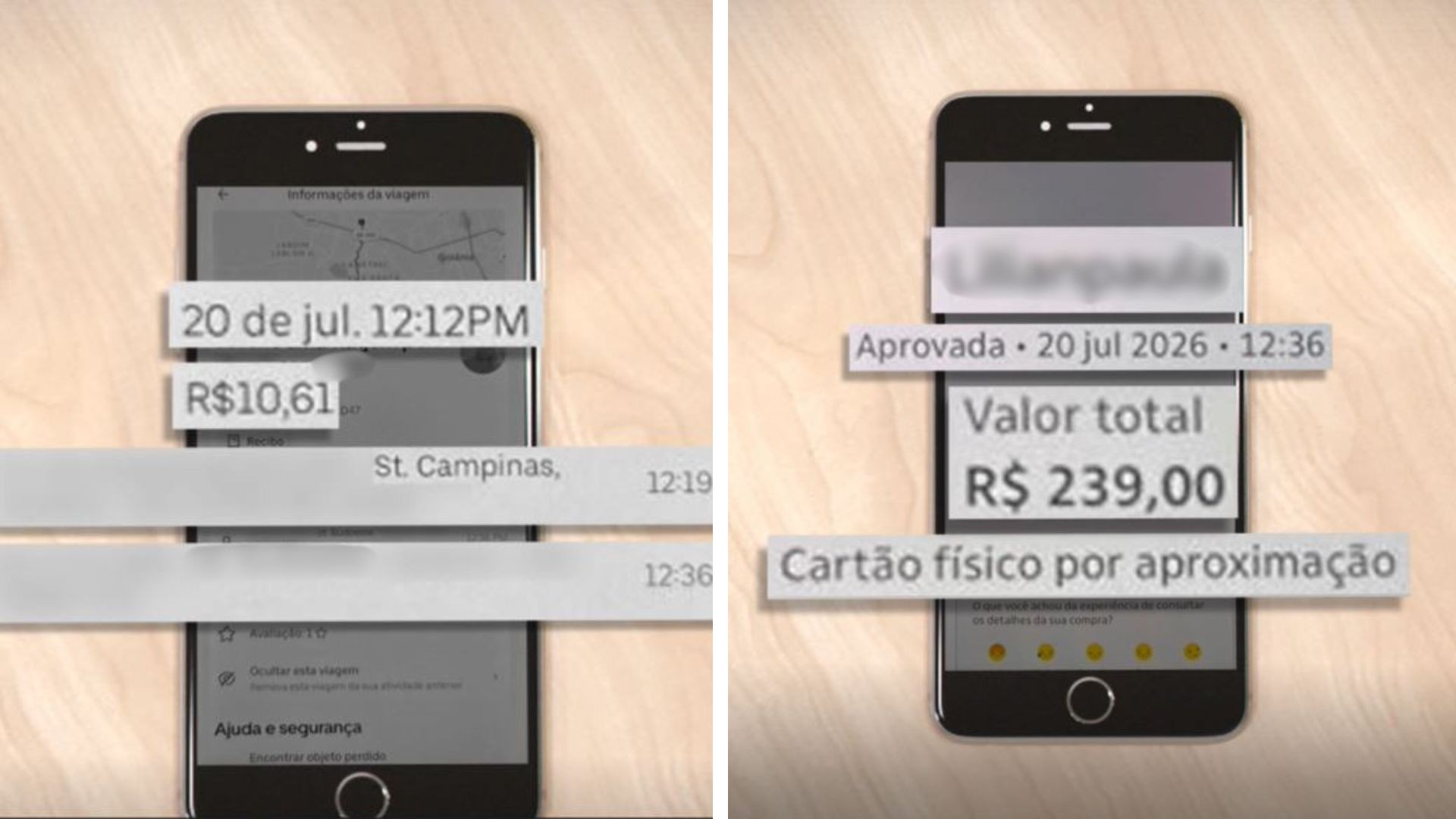
A ride-sharing driver in Goiânia, Brazil, is accused of overcharging a blind passenger R$ 239 (approximately $47 USD) for a trip that should have cost R$ 10.61 (approximately $2 USD). The passenger, who wished to remain anonymous, stated he was returning home from shopping in Campinas when the incident occurred. He typically pays for rides through the app using a credit card to avoid issues. However, upon arrival at his destination in Setor Sudoeste, the driver claimed the fare had not been paid and insisted he use her personal card machine. Despite his attempts to pay via Pix, the driver convinced him to use her machine, citing complications with her Pix account. The passenger complied out of fear of confrontation. After realizing the significant overcharge, the passenger reported the incident to the ride-sharing app and his bank, with a neighbor's assistance in filing a police report. The driver was initially arrested but was subsequently released after a custody hearing. The victim expressed feelings of vulnerability and fear regarding future travel but vowed to overcome the insecurity. Uber confirmed that the driver's account has been deactivated from their platform and stated they are cooperating with authorities. The news outlet was unable to reach the driver's defense for comment.
This incident highlights potential vulnerabilities within the payment and verification systems of ride-sharing platforms, particularly for passengers who may be more susceptible to exploitation. The driver's alleged actions, if proven, represent a significant abuse of trust and a predatory act targeting a vulnerable individual. The swift deactivation of the driver's account by Uber indicates a response to the alleged misconduct, but raises broader questions about the efficacy of driver vetting and passenger protection mechanisms. The legal process following the driver's release warrants scrutiny regarding the thresholds for detention and prosecution in such cases. Moving forward, platforms could explore enhanced verification protocols for payments, particularly for passengers with disabilities, and implement more robust immediate dispute resolution processes to prevent such egregious overcharges from occurring and to restore passenger confidence.
AI-generated to prompt reflection — not editorial opinion, not advice, not a statement of fact. How this works.