App Driver Fatally Shot in Front of Wife and Daughter in Cabo Frio
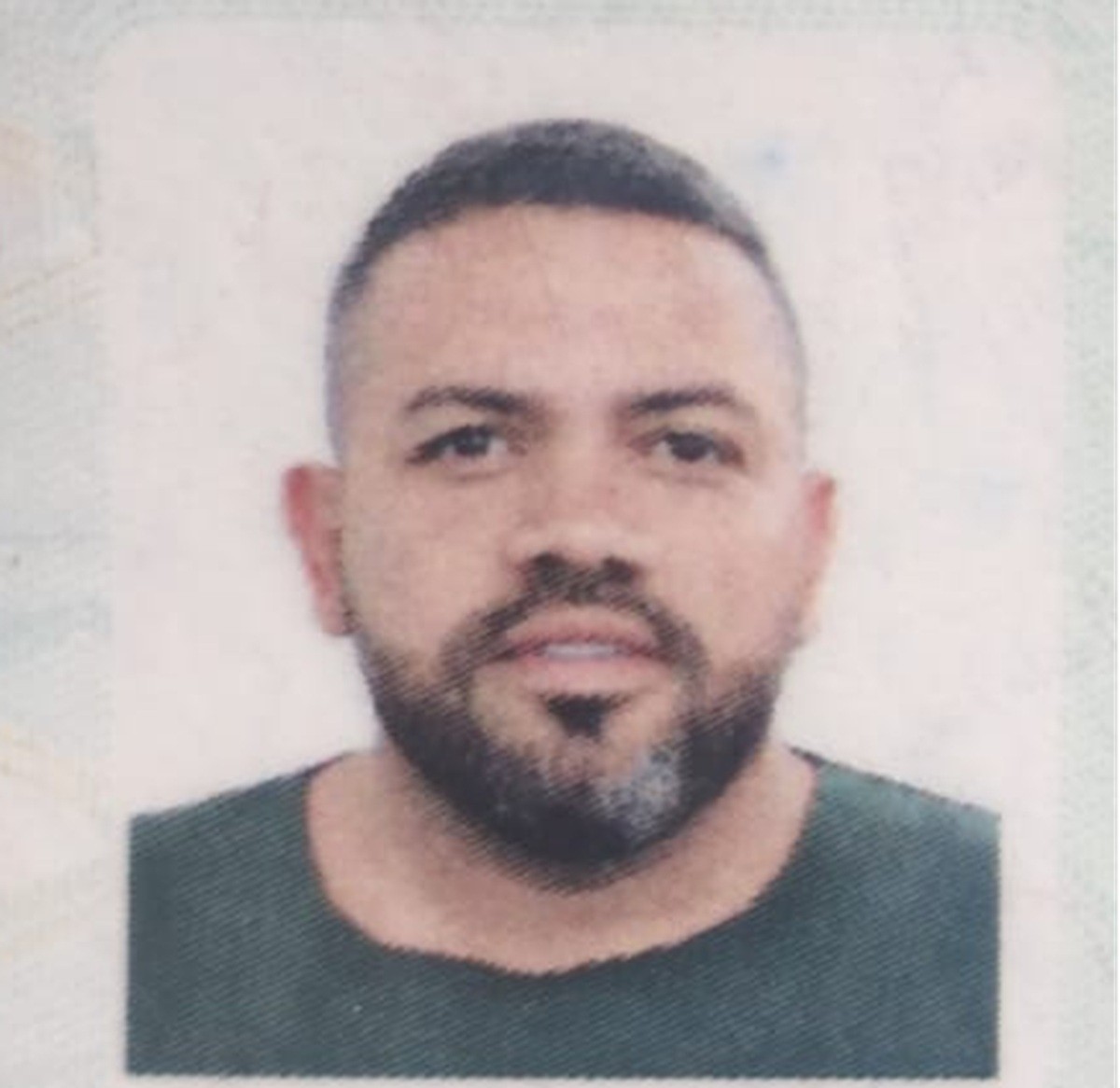
Michael Pinto Pessanha, a 36-year-old rideshare driver, was shot and killed on Friday afternoon in the Gargoá neighborhood of Tamoios, Cabo Frio, Rio de Janeiro state. The incident occurred in front of his wife and their approximately one-year-old daughter. Military Police found Pessanha on the ground with multiple gunshot wounds; emergency medical services confirmed his death at the scene. His wife reported that Pessanha had driven from Araruama to pick up an acquaintance heading to Rio de Janeiro. After loading the acquaintance's belongings, the suspect lured Pessanha away to talk. Pessanha attempted to flee but was shot multiple times in the back. The suspect allegedly threatened Pessanha's wife and child, who was in her arms, before fleeing. The wife became ill and was taken to a local medical unit. A relative informed police that Pessanha had previously been part of a militia in Santa Cruz, Rio de Janeiro, but left the group two years prior and moved to the Região dos Lagos to work as a driver. This relative also stated that militia members were reportedly offering R$20,000 for Pessanha's death, suspecting he might inform on them. An ex-member of the same criminal organization was identified as the primary suspect. The area was secured for forensic examination, and the 126th Police Precinct in Cabo Frio is investigating the crime's perpetrators and motive.
This tragic event highlights the persistent challenges of organized crime and violence in certain regions, even affecting individuals who have attempted to leave such activities. The reported bounty on the victim suggests a potential motive rooted in fear of reprisal or exposure, a common dynamic within criminal organizations. The presence of the victim's family underscores the devastating collateral impact of such violence. Moving forward, law enforcement and community initiatives will need to address the underlying factors that enable militia activities and ensure robust witness protection mechanisms to encourage cooperation with investigations. The case also raises questions about the effectiveness of efforts to reintegrate former members of criminal groups into society and the potential for residual threats.
AI-generated to prompt reflection — not editorial opinion, not advice, not a statement of fact. How this works.