App Driver Missing for 10 Months, Sister Continues Own Search in Minas Gerais
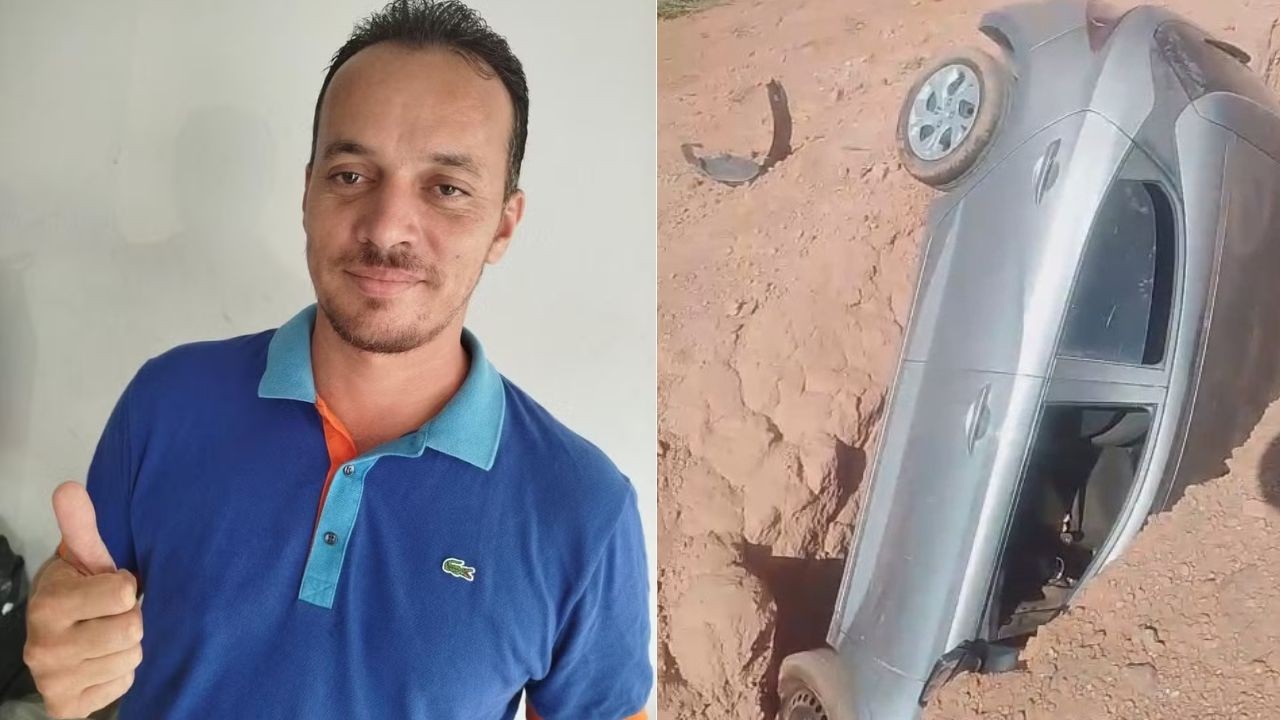
Daniely Cristina Menezes da Silva has been independently searching for her brother, 42-year-old app driver Fábio Rodrigues da Silva, who vanished ten months ago in Nova Serrana, Minas Gerais. Fábio disappeared in September 2025 after leaving home for work. His car was discovered abandoned inside a crater in the São José neighborhood a day after he went missing, with all his belongings still inside. Daniely has tirelessly retraced his last known routes, seeking surveillance footage that might show him or his vehicle, but has only managed to obtain images of the car. The family describes their ongoing anguish and suffering, noting that their lives have been turned upside down since Fábio's disappearance. The Civil Police are investigating the case, but no significant developments have been reported, and the specific lines of investigation have not been disclosed. Fábio's wife, Diully Alves da Silva Rodrigues, stated that he had never been out of contact for so long, emphasizing his consistent communication habits. His last recorded trip was on September 13, 2025, to Pará de Minas, returning to Nova Serrana about ninety minutes later. The vehicle's final sighting was in the early morning of September 14, 2025, near the location where it was found. Anonymous tips can be provided to the authorities via phone numbers 181 and 190.
This case highlights the profound personal toll of prolonged disappearances and the challenges faced by families seeking answers when official investigations stall. The prolonged absence of Fábio Rodrigues da Silva, coupled with the discovery of his car in unusual circumstances, raises questions about the efficiency and thoroughness of investigative processes. The sister's independent search underscores a potential gap in resources or public engagement in such cases. Moving forward, leveraging advanced forensic techniques and public-private partnerships could enhance investigative capabilities. Examining systemic factors that contribute to unsolved disappearances, particularly within the gig economy, may offer insights into preventing future occurrences and ensuring more timely resolutions for affected families.
AI-generated to prompt reflection — not editorial opinion, not advice, not a statement of fact. How this works.