App Drivers Protest After Colleague's Murder in Ribeirão Preto, Brazil
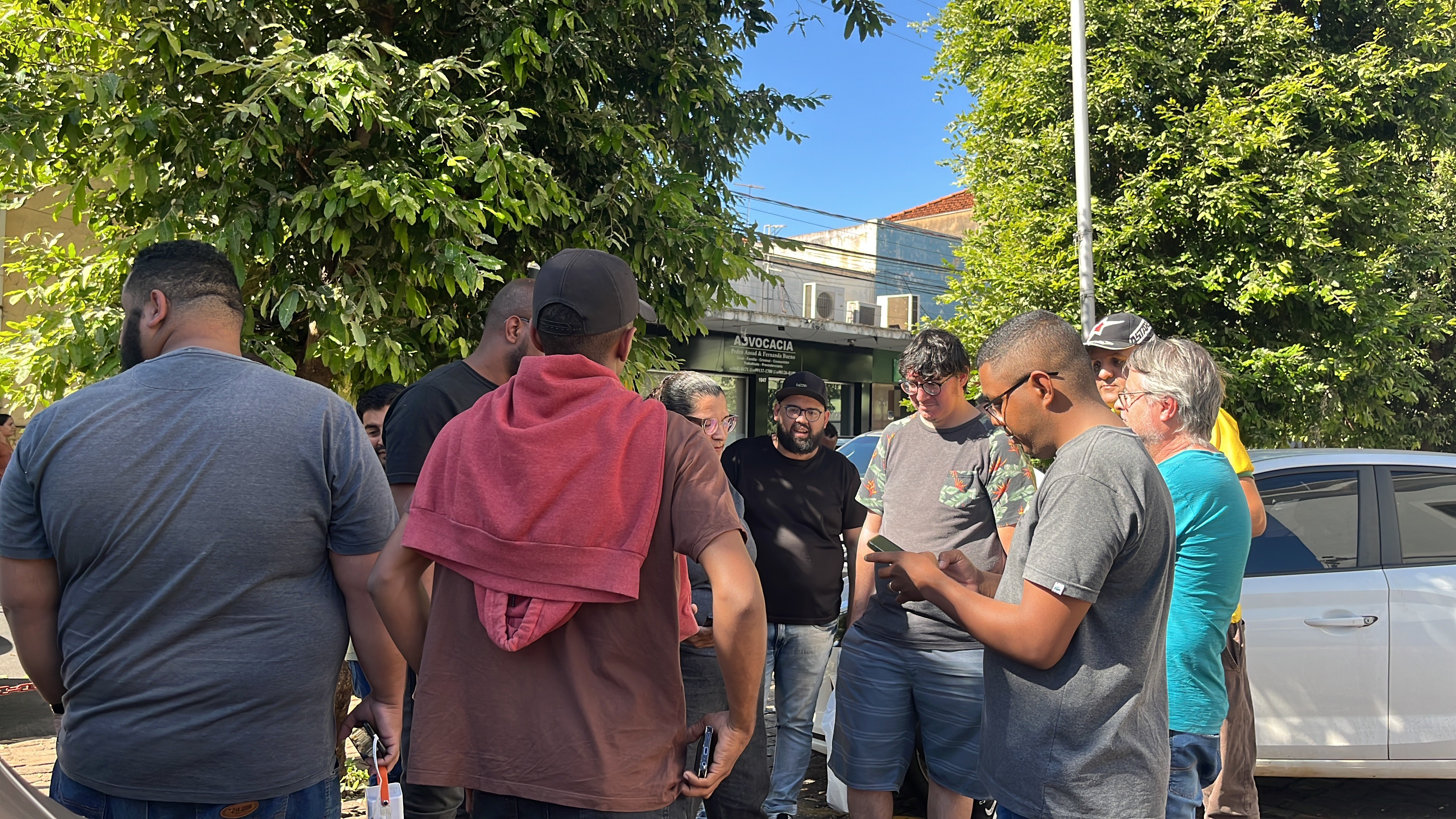
App-based drivers gathered outside the Judicial Police Central Station in Ribeirão Preto, São Paulo, Brazil, on Friday, November 17th, to demand justice for the murder of José Edson da Silva, 43. Silva had been missing since Tuesday, November 14th, after leaving Sertãozinho for a ride in Ribeirão Preto. Three teenagers, aged 13, 14, and 16, have confessed to their involvement in his death. The protest occurred while the minors were giving new statements to the police. Authorities state the teenagers called for the ride with the intention of stealing the victim's car. According to police, the youths claimed they threw Silva into the Pardo River in the Ribeirão Verde area. Investigators are examining whether he was thrown into the river alive. The teenagers will be referred to the Public Prosecutor's Office, where they will face charges for acts analogous to robbery followed by death, as they are under 18 and not criminally liable. The prosecutor will decide whether to request their provisional detention. Drivers expressed fear and vulnerability, citing a lack of adequate support from ride-sharing platforms, which primarily offer chat-based assistance that is perceived as slow and insufficient in emergencies. Drivers also highlighted the risks of accepting rides where the passenger differs from the account holder, a common occurrence they try to avoid due to potential dangers. The incident has mobilized the driver community, who are calling for greater respect and safety measures, emphasizing that they are simply trying to earn a living and that such a tragedy could befall any of them.
This incident highlights the critical safety challenges faced by app-based drivers, particularly concerning the vulnerability of gig economy workers. The alleged crime, committed by minors intending to steal a vehicle, underscores systemic issues related to juvenile delinquency and the specific risks associated with on-demand services. The drivers' protest and calls for platform support point to a broader debate about corporate responsibility for worker safety in the digital age. Ride-sharing platforms, while facilitating flexible work, must address the inherent risks their contractors face, potentially through enhanced safety protocols, real-time support systems, and collaboration with law enforcement. The legal framework for addressing crimes committed by minors, focusing on 'acts analogous to' offenses, reflects a societal balancing of accountability and rehabilitation, but raises questions about deterrence and victim justice. Looking ahead, the integration of advanced safety technologies and robust support mechanisms will be crucial for the sustainable operation of such services and the well-being of their workforce.
AI-generated to prompt reflection — not editorial opinion, not advice, not a statement of fact. How this works.