Appassimento: The Drying Technique Behind Famous Italian Wines
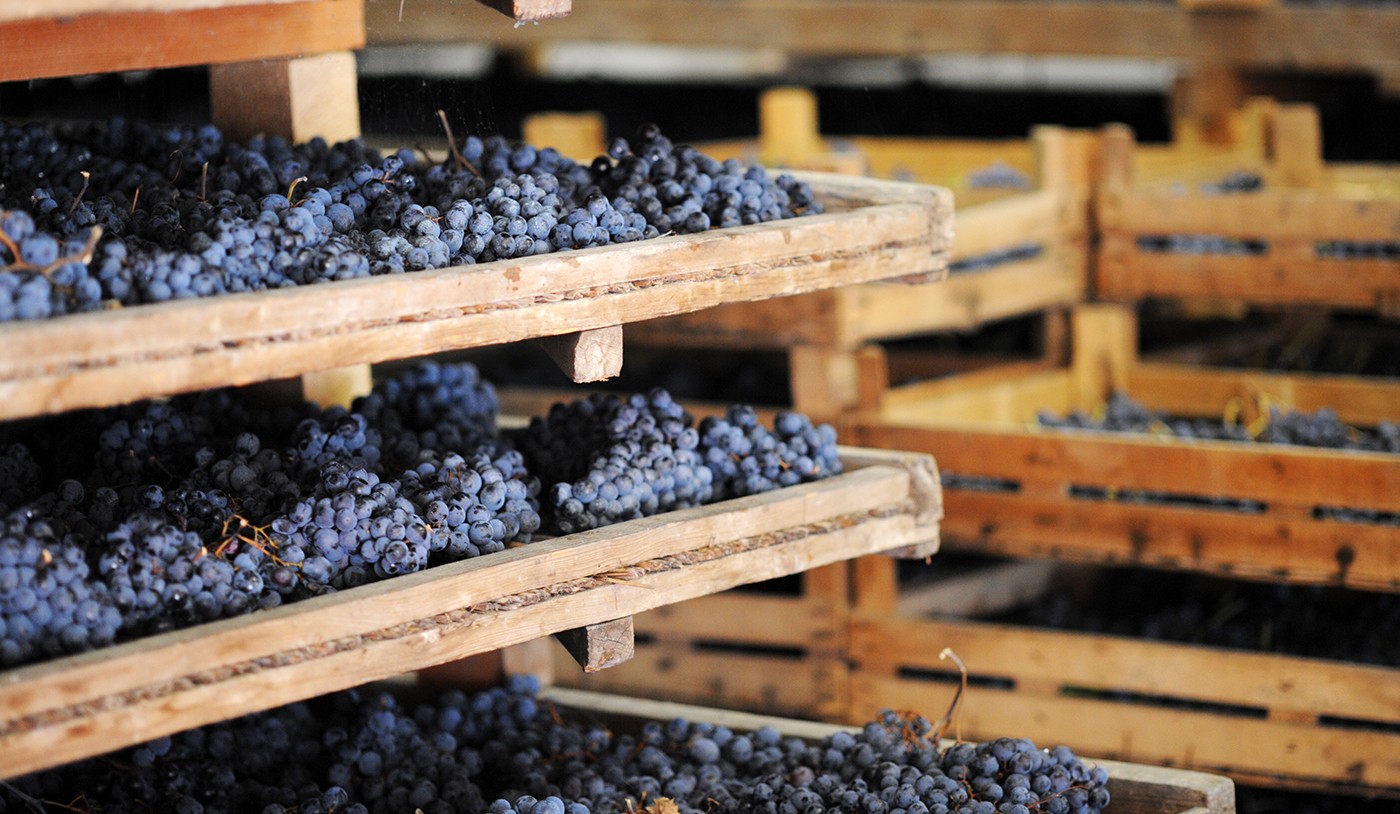
The appassimento technique, originating from the Italian word for 'to wither' or 'to dry,' is a traditional winemaking method that involves partially dehydrating grapes before crushing and fermentation. This process concentrates the sugars, aromas, and flavors within the fruit, resulting in wines that are more intense, structured, and complex. While commonly associated with the Veneto region in northeastern Italy, particularly for the production of the renowned Amarone, this technique is employed globally.
After harvesting, grape bunches are carefully selected and allowed to dry for several weeks or months, traditionally in well-ventilated sheds on specialized racks called graticci. During this period, the grapes lose 30% to 50% of their water content through evaporation. This concentration process elevates the proportion of solid components, leading to increased sugar levels, intensified aromas, and deeper color.
The appassimento method yields wines with a fuller body and more intricate flavor profiles, often exhibiting notes of dried fruits like raisins, prunes, figs, and dates. These wines typically have higher alcohol content due to the concentrated sugars and can be produced as either dry or sweet, depending on the fermentation process. For instance, Amarone della Valpolicella is a dry, powerful, and complex wine, while Vin Santo, a Tuscan dessert wine, retains residual sugar for a sweet profile. The importer and distributor Porto a Porto offers a wide selection of these and other wines, catering to businesses like supermarkets, wine shops, bars, and restaurants.
The appassimento technique highlights a sophisticated interplay between traditional viticulture and the pursuit of concentrated flavor profiles in wine. By intentionally dehydrating grapes, winemakers leverage natural processes to enhance complexity and intensity, demonstrating a deep understanding of fruit chemistry and fermentation dynamics. This method allows for the creation of wines with significant aging potential and distinctive characteristics, catering to a discerning market segment. The distinction between dry and sweet wines produced via appassimento underscores the critical role of fermentation management in achieving desired stylistic outcomes, showcasing winemaking as both an art and a science. The technique's application in producing globally recognized wines like Amarone and Vin Santo illustrates its enduring relevance and economic significance within the premium wine market.
AI-generated to prompt reflection — not editorial opinion, not advice, not a statement of fact. How this works.