Appearance Bias in the Workplace: How Looks Can Hinder Professional Advancement
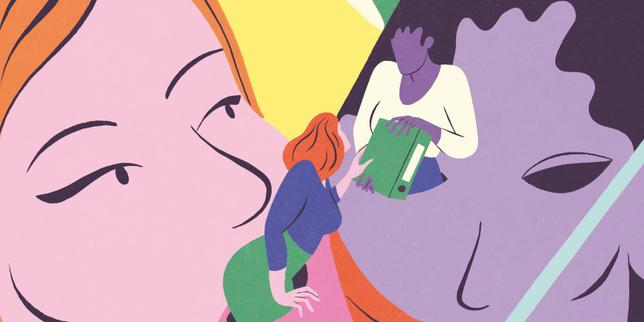
A person's physical appearance can significantly influence their professional journey, impacting everything from recruitment to salary negotiations. While an attractive appearance might initially seem advantageous, particularly for women, it can also lead to harmful stereotypes and sexist representations. This phenomenon, described as 'Be beautiful and produce,' highlights a complex dynamic where outward attractiveness can become a double-edged sword. For women, societal expectations often attach beauty to specific, limiting roles, potentially hindering their career progression. The pressure to conform to certain aesthetic standards can create a 'crown of thorns,' trapping individuals in prejudiced perceptions rather than allowing their skills and qualifications to be the primary focus. This suggests that workplace biases are not solely about competence but also heavily influenced by superficial judgments based on looks.
The influence of physical appearance on professional opportunities reveals a systemic bias rooted in societal perceptions of beauty and gender roles. While attractiveness may offer initial advantages, it can also impose restrictive expectations, particularly on women, limiting their career paths to predefined, often superficial, roles. This dynamic illustrates a conflict between meritocratic ideals and ingrained cultural biases, where external attributes can overshadow professional capabilities. Looking ahead, the increasing integration of AI in hiring processes may either exacerbate or mitigate such biases, depending on the algorithms' design and the data they are trained on. Addressing this requires a conscious effort to decouple professional evaluation from physical appearance, fostering environments where competence and contribution are the sole determinants of success.
AI-generated to prompt reflection — not editorial opinion, not advice, not a statement of fact. How this works.