Apple Reportedly Preparing New Smart Home Hub, HomePod Mini, and Apple TV
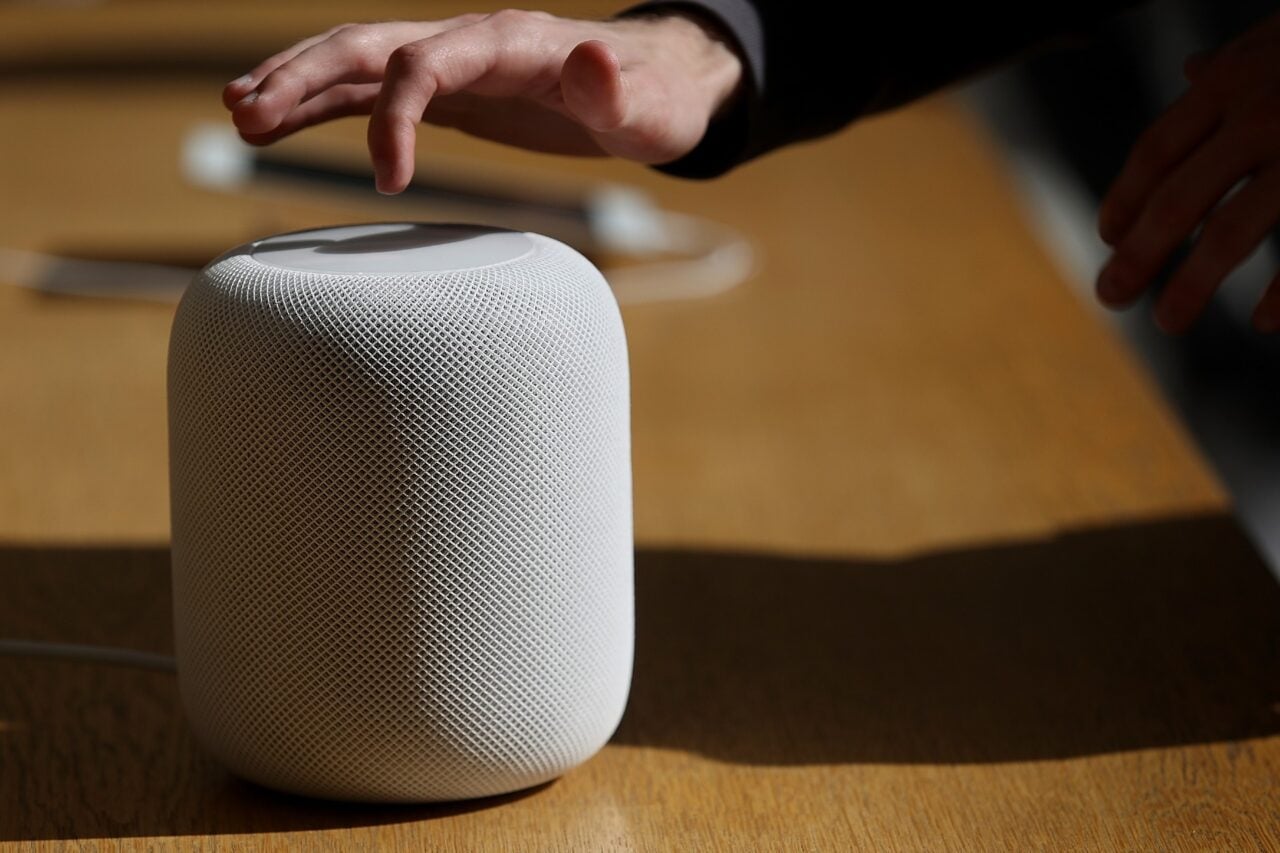
Apple is reportedly gearing up to launch a new smart home hub, alongside updated versions of its HomePod Mini and Apple TV devices. This potential new hub could represent a significant expansion of Apple's smart home ecosystem, offering users a central point for controlling various connected devices. The inclusion of a dedicated smart home hub would align with a broader industry trend towards integrated home automation systems.
While details remain scarce, the anticipated release suggests Apple is looking to strengthen its position in the competitive smart home market. The company has previously explored smart home technology with its HomePod speakers, but a dedicated hub could offer more advanced functionalities and broader compatibility. The rumored launch of new HomePod Mini and Apple TV models indicates a commitment to refreshing its existing product lines within this segment. This move could also signal Apple's strategy to further leverage its software ecosystem, such as HomeKit, by providing more robust hardware support.
The potential introduction of a dedicated smart home hub by Apple reflects a strategic response to evolving consumer demands for integrated and seamless home automation. This move could intensify competition within the smart home sector, pushing rivals to innovate on features and interoperability. From a systems perspective, such a hub would likely aim to consolidate user control and data management, potentially enhancing Apple's ecosystem lock-in while raising questions about data privacy and security. The long-term success will hinge on its ability to offer a compelling user experience that surpasses existing solutions and addresses the fragmentation prevalent in the current smart home landscape. Furthermore, its integration with AI capabilities will be crucial for future-proofing and differentiating in an increasingly intelligent home environment.
AI-generated to prompt reflection — not editorial opinion, not advice, not a statement of fact. How this works.