Apple's iPhone Fold Entry Expected to Boost Foldable Screen Market
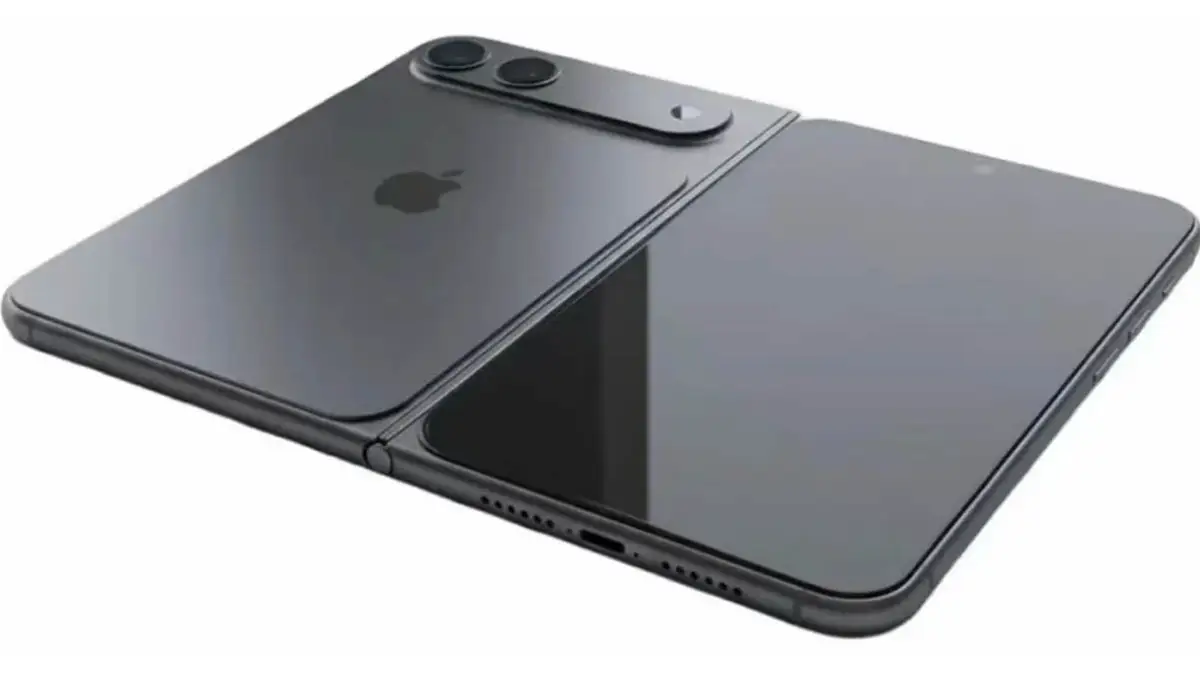
The global market for foldable smartphones is poised for significant growth, with projections indicating 27.5 million foldable screens will be produced this year, a 24% increase from the previous year, according to Counterpoint Research. This surge in production coincides with Apple's anticipated entry into the foldable segment with the iPhone Fold, expected in the fall of 2026. The inclusion of Apple, a major player in the smartphone industry, is predicted to create a ripple effect, encouraging other manufacturers to invest further in foldable technology. Samsung and various Chinese brands are already heavily involved in this market, and Apple's move is likely to intensify competition and innovation. The increased demand for foldable screens could lead to advancements in display technology, battery life, and device durability. This development signifies a potential shift in the smartphone landscape, with foldable devices moving from a niche product to a more mainstream offering. The market's expansion suggests a growing consumer interest in the unique form factor and capabilities offered by foldable phones.
The projected surge in foldable screen production and Apple's impending entry into the foldable smartphone market highlight a significant industry inflection point. This strategic move by Apple, a company known for its ability to shape consumer preferences and drive market adoption, is likely to accelerate the mainstreaming of foldable technology. The competitive landscape, already featuring key players like Samsung and numerous Chinese manufacturers, will likely see intensified innovation and potential price adjustments as companies vie for market share. From a systems perspective, this trend reflects the ongoing pursuit of novel form factors and enhanced user experiences in the mobile device sector, driven by technological advancements in display and material science. Over the next decade, the success of foldable devices will depend on their ability to offer compelling advantages in durability, functionality, and value proposition compared to traditional smartphones, ultimately impacting the broader consumer electronics ecosystem and supply chains.
AI-generated to prompt reflection — not editorial opinion, not advice, not a statement of fact. How this works.