Apple Silicon's Efficiency Eliminates Need for MacBook Air Fans
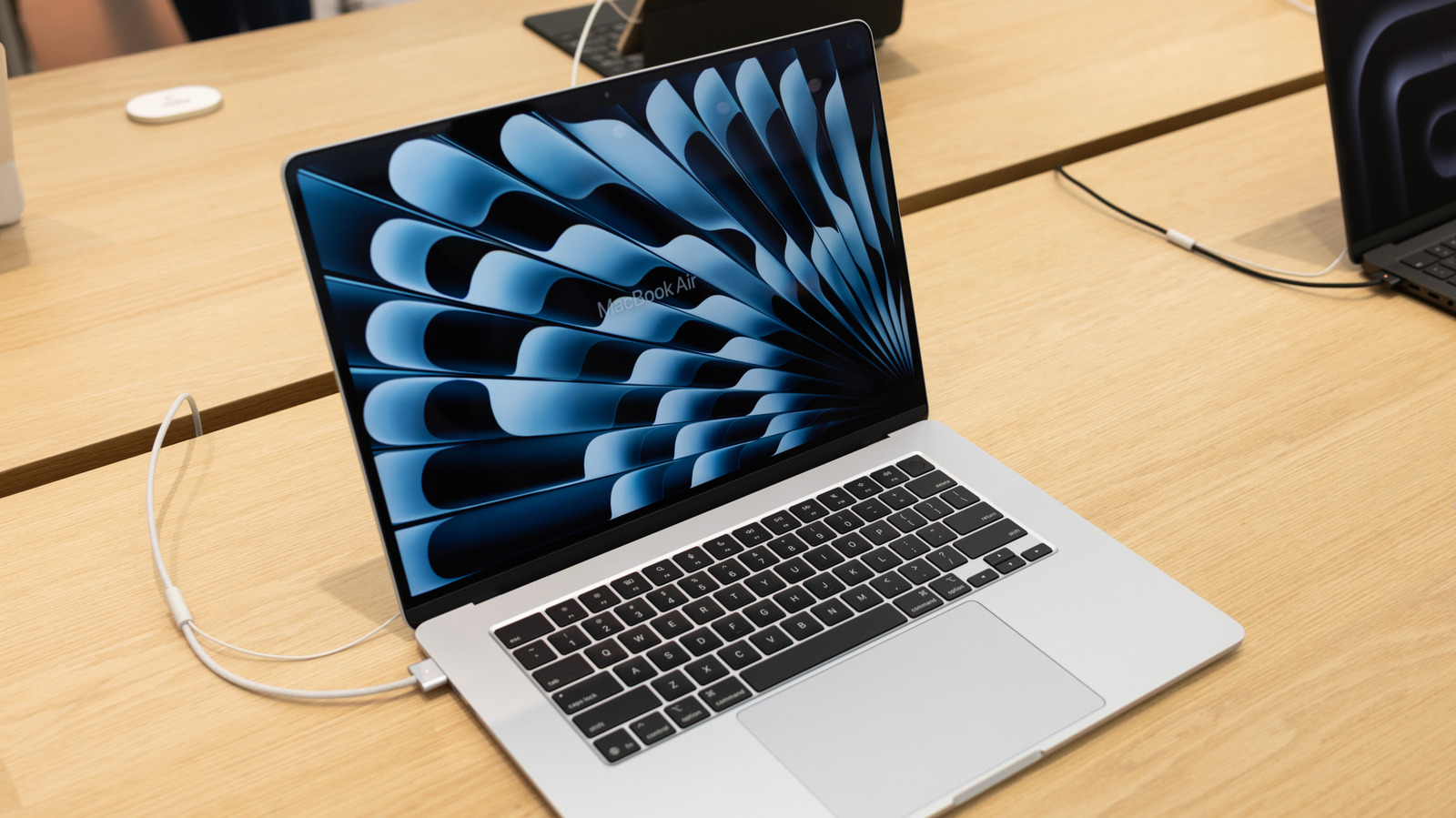
The MacBook Air does not require a cooling fan due to the efficient design of Apple Silicon chips. These processors are engineered to deliver high performance without generating excessive heat. This allows Apple to create a thinner, lighter, and completely silent laptop. The fanless design contributes to a simplified internal architecture and potentially improved battery life. Unlike traditional laptops that rely on fans to dissipate heat, the MacBook Air leverages its chip's thermal management capabilities. This innovation is a key differentiator for the MacBook Air line. It highlights Apple's focus on optimizing the user experience through hardware and software integration. The absence of a fan also means fewer moving parts, which can lead to increased durability and reduced maintenance needs over the device's lifespan.
The integration of fanless thermal management in the MacBook Air, powered by Apple Silicon, represents a significant engineering achievement in mobile computing. This design choice prioritizes user experience through silence and portability, while also potentially enhancing long-term reliability by reducing mechanical wear. From a systems perspective, this approach challenges the conventional trade-offs between performance and thermal constraints that have historically dictated laptop design. The success of this strategy could influence future product development across the industry, encouraging a deeper focus on chip-level thermal efficiency and integrated system design. As the computing landscape shifts towards more powerful, yet energy-conscious, devices, innovations like this will be crucial for shaping the next decade of personal technology.
AI-generated to prompt reflection — not editorial opinion, not advice, not a statement of fact. How this works.