Apple TV's 'Star City' Series Explores Alternate Space Race History
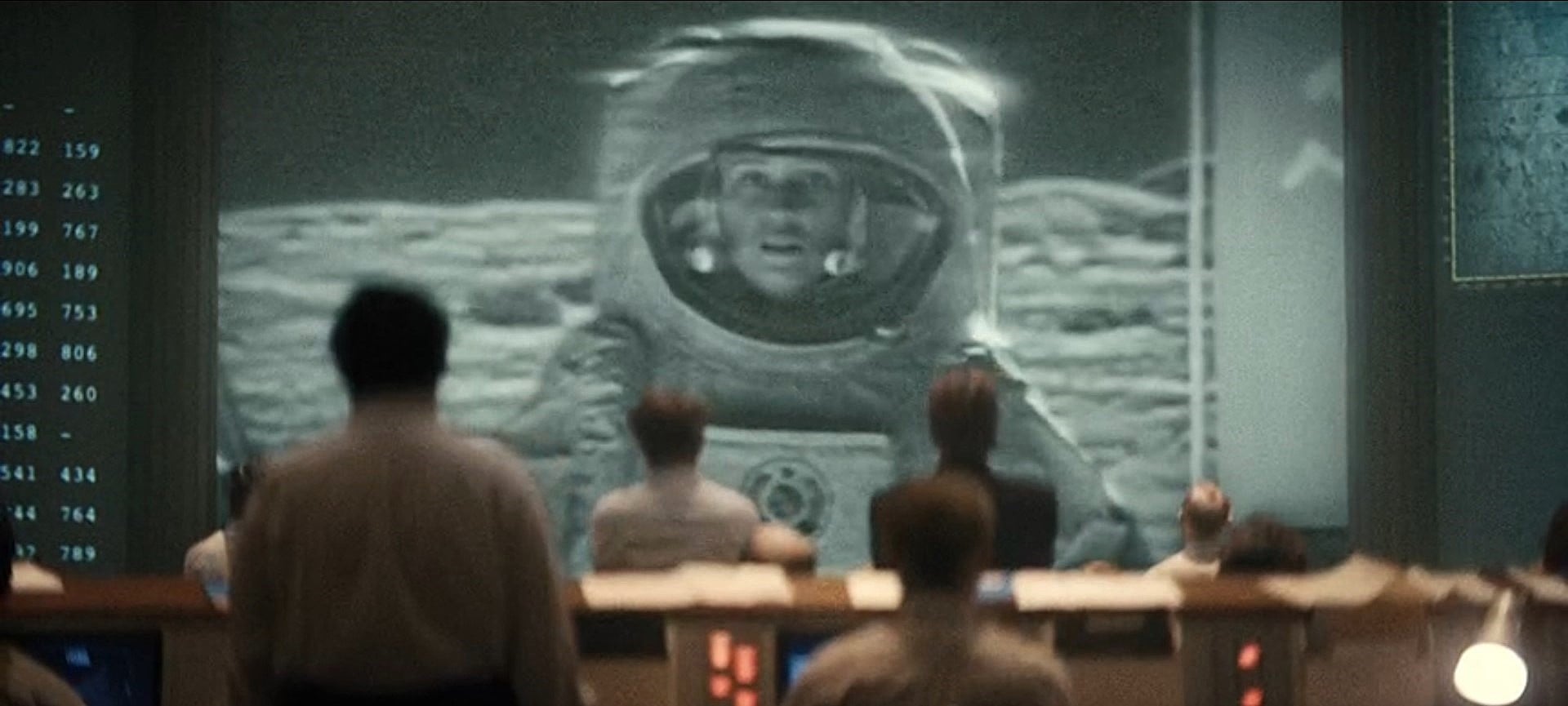
The production team behind Apple TV+'s "Star City" series faced the creative challenge of depicting the 1960s space race within a fictional narrative where the Soviet Union achieved the moon landing before the United States. The show aims to capture the specific atmosphere and spirit of that era through this alternate historical lens. This premise allows for a unique exploration of geopolitical rivalries and technological ambitions of the time. The series reimagines key moments and figures, placing the Soviet cosmonauts at the forefront of lunar exploration. It delves into the potential societal and political ramifications of such a historical divergence. The production design and storytelling are crafted to immerse viewers in this compelling 'what if' scenario. "Star City" offers a fresh perspective on a pivotal period in human history and technological advancement.
The premise of "Star City" offers a thought-provoking counterfactual scenario that highlights the intense competition and national pride driving the original space race. By shifting the narrative focus, the series can explore themes of technological achievement, international relations, and the human drive for exploration from a different perspective. This reimagining prompts reflection on how historical outcomes are shaped by a confluence of factors, including scientific innovation, political will, and resource allocation. The series' success will likely depend on its ability to balance historical plausibility with compelling fictional storytelling, encouraging audiences to consider the broader implications of scientific progress and geopolitical dynamics in the 21st century.
AI-generated to prompt reflection — not editorial opinion, not advice, not a statement of fact. How this works.