Apple Watch Calorie Tracking: An Educated Guess, Not Precise Data
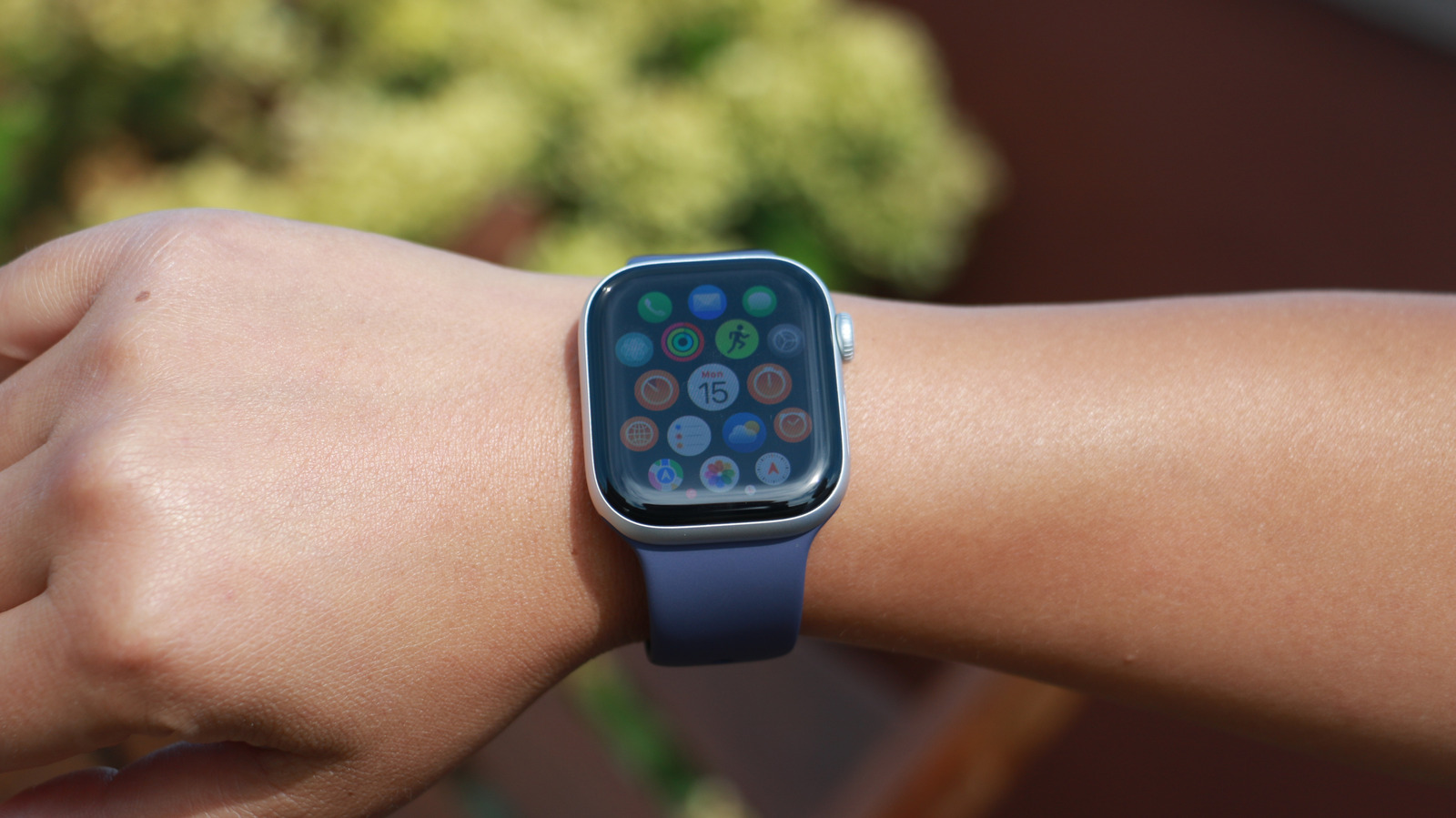
The calorie-tracking feature on Apple Watches provides an estimation rather than an exact measurement. Accurately counting calories consumed and burned is a complex process that requires more detailed information than a smartwatch is currently capable of collecting. While these devices offer a convenient way to monitor activity levels, the data they provide for calorie expenditure should be viewed as an approximation. Factors such as individual metabolism, the precise intensity of workouts, and the specific types of food consumed are difficult for current wearable technology to quantify precisely. Therefore, users should understand that the calorie counts displayed are based on algorithms and estimations derived from limited data points. For individuals focused on precise nutritional management or weight control, relying solely on smartwatch calorie data may not be sufficient. It is advisable to supplement this information with other methods for a more comprehensive understanding of energy balance. The technology is continually evolving, but for now, the accuracy remains a significant limitation.
Wearable technology like the Apple Watch offers a user-friendly interface for health monitoring, but its calorie tracking capabilities are inherently limited by data acquisition constraints. The device's estimations are influenced by algorithmic assumptions and sensor data that cannot fully capture individual physiological nuances or the full spectrum of daily energy expenditure. This discrepancy highlights a broader challenge in quantifying health metrics through consumer electronics, where convenience often precedes precision. Future advancements may involve more sophisticated biosensors or integration with external health data, but for the present, users should interpret these figures as directional indicators rather than definitive facts. This situation underscores the importance of critical data literacy when engaging with quantified self-technologies, encouraging users to seek complementary, more robust methods for health management.
AI-generated to prompt reflection — not editorial opinion, not advice, not a statement of fact. How this works.