Appliance Longevity: Expert Shares Tips to Extend Lifespan of Household Electronics
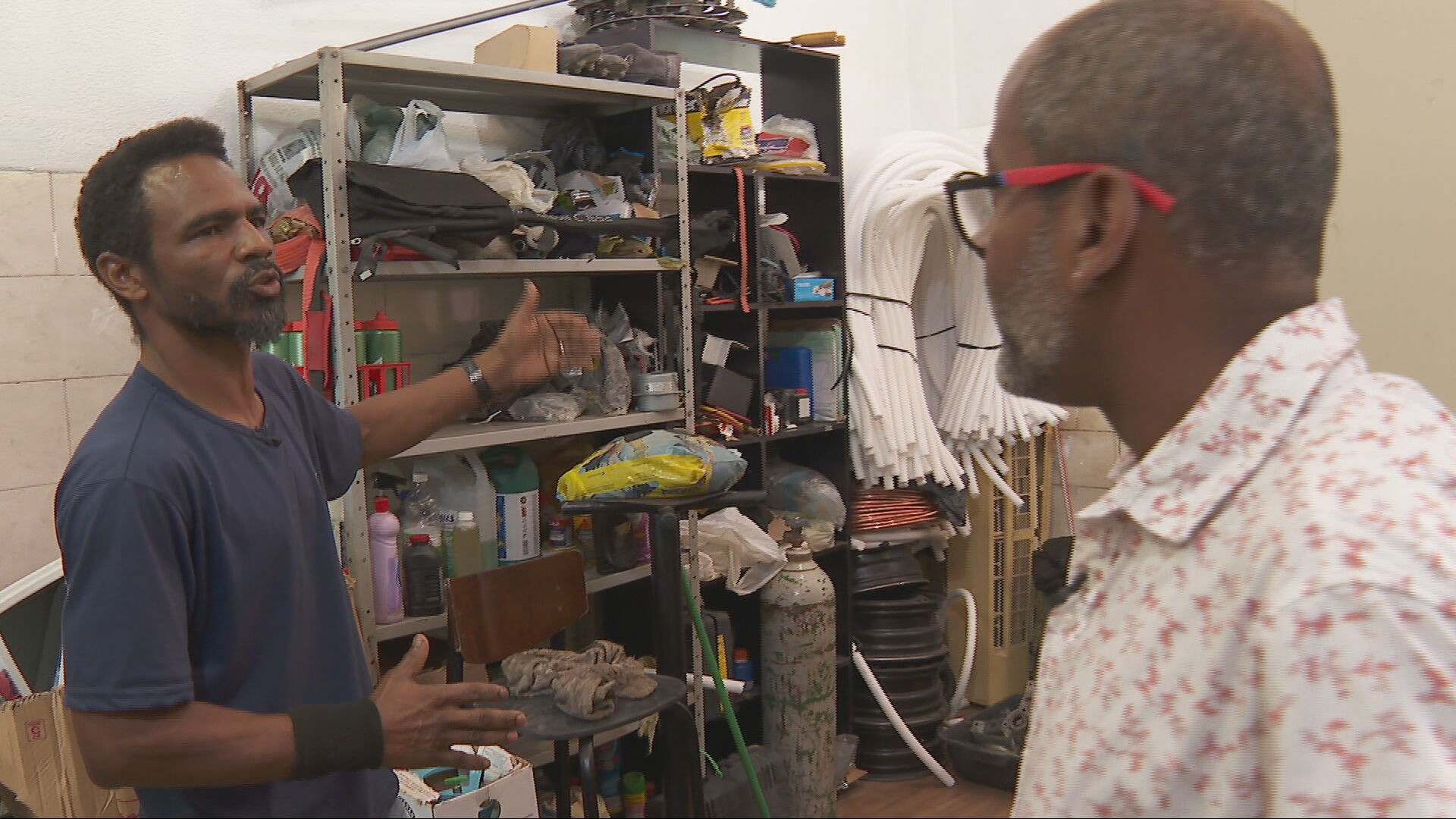
Household appliances, much like food, have an expiration date, though consumers may not always be aware of it. Generally, these items can last up to ten years, with their durability influenced by type, quality, and usage habits. Understanding the expected lifespan of each appliance is crucial for financial planning and waste reduction, helping consumers decide when repair is more economical than replacement. A recent report highlighted professionals who specialize in repairing appliances like washing machines, refrigerators, and even pressure cookers, demonstrating a continued demand for such services in an era of disposable goods.
Claudiano Grigorio, a refrigeration technician with over 25 years of experience, offers practical advice for extending appliance life. Refrigerators, when well-maintained, can last 10 to 20 years; Grigorio advises against placing hot foods inside and recommends keeping door seals clean. Washing machines have a lifespan of 10 to 15 years, with excessive loads and intense use shortening their life; respecting capacity and regular filter cleaning are key. Microwaves typically last 7 to 10 years, with electronic components degrading over time; users should avoid operating them empty and maintain interior cleanliness. Sturdy gas stoves can last 13 to 20 years with frequent burner cleaning and hose checks. Dishwashers, lasting 7 to 12 years, require simple maintenance like filter cleaning and avoiding overloads. Electric ovens, with a lifespan of 10 to 15 years, are affected by usage frequency, and users should refrain from opening the door repeatedly during operation. Air conditioners, lasting 10 to 15 years, depend heavily on filter maintenance and periodic technical reviews. Televisions often have a lifespan of 7 to 10 years, frequently replaced due to technological advancements; avoiding overheating and using surge protectors are recommended. Vacuum cleaners, lasting 8 to 12 years, require basic maintenance like emptying the reservoir and frequent filter changes to maintain efficiency. Blenders, with a shorter lifespan of 5 to 7 years due to motor strain, benefit from avoiding continuous use and processing very hard foods.
The longevity of household appliances is a complex interplay of product design, consumer behavior, and market incentives. While manufacturers aim for a balance between durability and cost, the 'right to repair' movement and increasing consumer awareness of electronic waste highlight systemic challenges. Shorter lifespans, often driven by technological obsolescence or perceived disposability, contribute to significant environmental impact and economic strain on households. Encouraging robust maintenance practices and designing for repairability could shift this dynamic, fostering a more sustainable consumption model. Future considerations may involve integrated diagnostics, modular designs, and extended producer responsibility frameworks to align economic interests with environmental stewardship and consumer value.
AI-generated to prompt reflection — not editorial opinion, not advice, not a statement of fact. How this works.