ARA San Juan: A Flawed Verdict
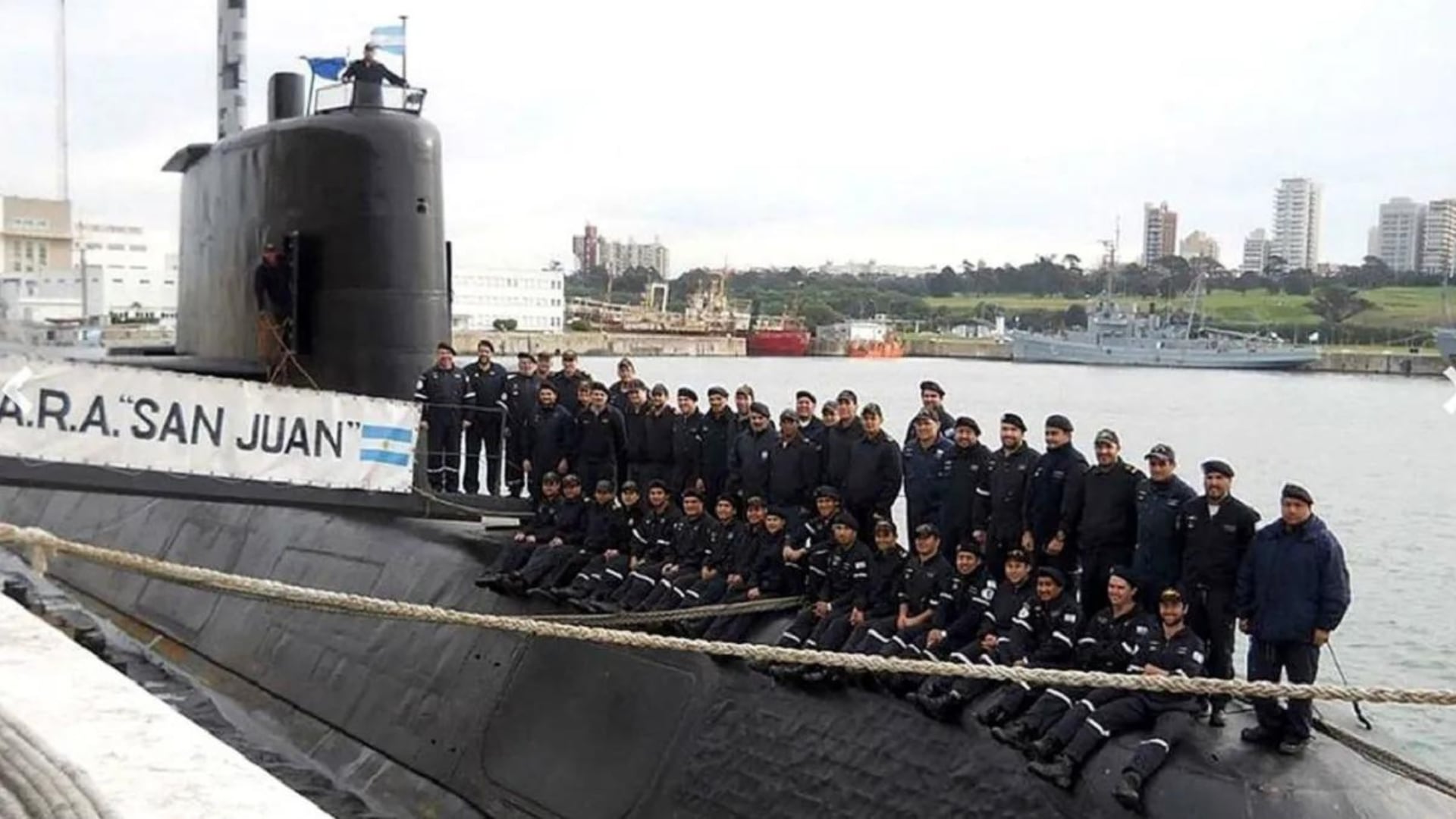
The case surrounding the ARA San Juan submarine tragedy has concluded with a court ruling that has been described as unjust. In the face of a collective tragedy, society often seeks scapegoats rather than true justice. Judges have a duty to resist the temptation of demagoguery by identifying individuals to blame unfairly. This ruling highlights the complex challenge of balancing public demand for accountability with the principles of a fair judicial process. The outcome has raised questions about the legal proceedings and the pursuit of justice for the victims and their families. The court's decision has been met with significant public scrutiny and debate. The focus now shifts to understanding the implications of this verdict on future accountability in similar incidents. The ruling underscores the difficult position of the judiciary when confronting public sentiment during times of national mourning and crisis.
The judicial decision regarding the ARA San Juan tragedy presents a critical juncture for public trust in legal institutions. While societal impulses may lean towards assigning blame to individuals, the court's role is to uphold due process and avoid scapegoating, even under intense public pressure. This situation underscores a recurring tension between the demand for immediate accountability and the methodical pursuit of justice. The ruling's perceived injustice may reflect systemic challenges in navigating complex investigations and presenting irrefutable evidence. Moving forward, it will be crucial to examine the legal frameworks and investigative protocols to ensure they can withstand public scrutiny and deliver outcomes that are both procedurally sound and perceived as equitable, fostering greater confidence in the justice system's ability to handle national tragedies.
AI-generated to prompt reflection — not editorial opinion, not advice, not a statement of fact. How this works.